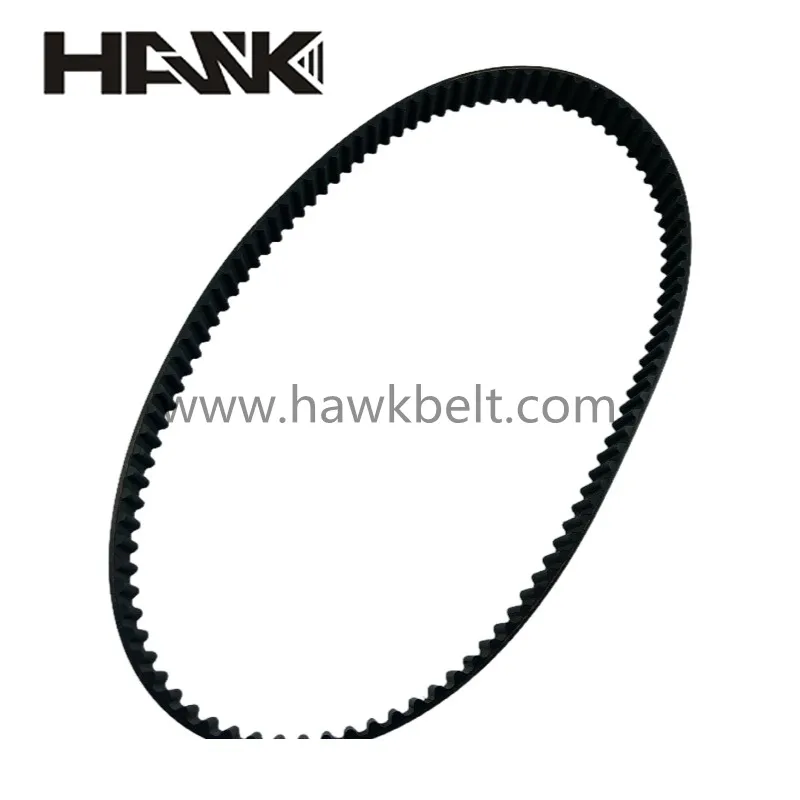


The industrial environment in North Korea is characterized by a heavy reliance on legacy machinery and specialized agricultural equipment. Due to the severe continental climate, rubber components like the auto v belt must endure extreme temperature fluctuations, ranging from freezing winters to humid summers, which often lead to premature material cracking.
Logistical constraints and the focus on self-reliance have pushed the local market toward seeking highly durable, long-life rubber parts. There is a critical demand for components that reduce maintenance frequency, as the availability of replacement parts for imported machinery can be inconsistent across different provinces.
Current operations are transitioning from basic rubber compounds to reinforced synthetic elastomers. This shift is essential for supporting the increasing load on transport vehicles and industrial generators that utilize the alternator belt to maintain consistent electrical output in remote mining areas.