Mobile Phone
+8615369985502
Call Us
+8615369985502
E-mail
mike@hawkbelt.com

High-Performance pk belt Solutions for Mongolia's Extreme Climate

Engineering durable rubber drive components designed to withstand the drastic temperature fluctuations and demanding terrains of the Mongolian plateau.

High-Performance pk belt Solutions for Mongolia's Extreme Climate

Our specialized rubber parts manufacturing process ensures that every belt delivers maximum torque transmission and resistance to thermal cracking in Asia's harshest environments.

Industrial Rubber Challenges in Mongolia

Analyzing the impact of extreme continental climates on automotive rubber components.

Mongolia presents one of the most challenging environments for rubber products due to its extreme temperature swings, where winters can drop below -40°C. In such conditions, a standard auto v belt often loses elasticity, leading to brittleness and sudden failure during cold starts.

The reliance on heavy-duty mining vehicles and rugged transport in regions like Ulaanbaatar and the Gobi Desert necessitates belts with high tensile strength. The pervasive dust and grit from unpaved roads act as abrasives, rapidly wearing down the ribs of a conventional alternator belt, increasing the frequency of unplanned maintenance.

Consequently, the local market has shifted from generic imports to specialized components. There is a critical demand for rubber parts that maintain structural integrity across a 80-degree Celsius temperature gradient, ensuring that the engine's auxiliary systems remain operational regardless of the season.
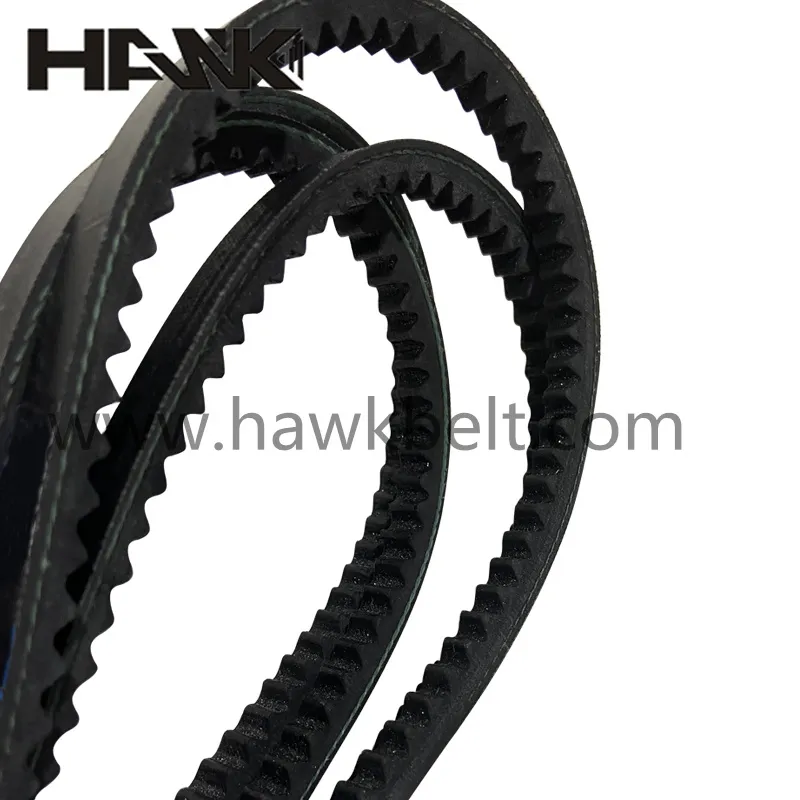
Evolution of Rubber Drive Technology

From basic rubber moldings to advanced synthetic polymers for the Mongolian market.

Market Development History

In the early 2000s, the Mongolian automotive sector relied heavily on basic natural rubber belts. These early iterations were prone to rapid degradation under UV exposure and extreme cold, leading to frequent snaps in the motorcycle belt segments used for rural transport.

By 2010-2015, the introduction of EPDM (Ethylene Propylene Diene Monomer) revolutionized the industry. This shift allowed for the development of the auto rubber timing belt that could resist heat and ozone more effectively, significantly extending the service intervals for commercial fleets.

From 2018 to the present, the integration of high-tensile polyester and aramid cords has enabled belts to handle higher loads with less stretch, meeting the requirements of modern high-compression engines now common in Mongolian urban centers.

Future Development Trends

Nano-Composite Integration

Integrating carbon nanotubes into the rubber matrix to enhance tear resistance and thermal conductivity, preventing overheating in heavy-load mining operations.

Smart Wear Monitoring

Development of belts with embedded conductive fibers that can signal wear levels to the vehicle's ECU before a critical failure occurs.

Eco-Friendly Bio-Polymers

Moving toward sustainable, bio-based elastomers that maintain high performance while reducing the environmental footprint in the pristine Mongolian steppe.

Strategic Outlook for Rubber Components

Predicting the trajectory of the rubber parts industry in Asia's interior.

Extreme Cold Resistance
Focusing on low-glass transition temperature polymers to prevent belt crystallization at -50°C.
Mining-Grade Durability
Enhancing abrasion resistance for belts operating in dusty, high-particle environments.
Precision Engineering
Tighter tolerance control to reduce vibration and noise in modern luxury vehicle imports.
Hybrid Compatibility
Developing belts for hybrid engines that experience varied torque cycles and stop-start patterns.

Industry Outlook

Based on regional search trends, there is a growing interest in "long-life automotive parts" within Mongolia. As the cost of logistics to remote areas increases, the market is shifting from "cheap replacements" to "premium durable" components that minimize downtime.

We anticipate that over the next 3-5 years, the rubber parts sector will be dominated by composite materials that offer both the flexibility of rubber and the strength of synthetic polymers, specifically tailored for Asia's continental climates.

Localized Application Scenarios in Mongolia

Practical implementations of our rubber parts across diverse Mongolian environments.

01. Mining Fleet Maintenance in the Gobi

Utilizing heavy-duty belts for ore transport trucks where high dust concentrations require superior abrasion resistance to prevent premature rib wear.

02. Winter Transit in Ulaanbaatar

Deploying cold-weather optimized belts that maintain flexibility during the severe January frosts, ensuring reliable engine starts for city commuters.

03. Rural Logistics and Postal Services

Applying reinforced belts to motorcycles and light utility vehicles used for traversing unpaved steppes, where durability against sudden torque spikes is essential.

04. Agricultural Machinery in the Steppe

Implementing high-torque drive belts for harvesting and livestock equipment that must operate reliably during short, intense seasonal windows.

05. Cross-Border Heavy Haulage

Equipping long-haul trucks with premium rubber components designed for the continuous vibration and varied altitudes of the Mongolian road network.

Brand Story

Global Development Journey of Xingtai Hawk Rubber and Plastic Products Co., Ltd.

Foundational Excellence

Established with a focus on rubber chemistry, we began by solving the basic durability issues of industrial drive belts in local markets.

Technical Innovation

Invested in EPDM and synthetic polymer research to create belts that could withstand extreme temperature variances of +/- 50°C.

Global Expansion

Expanded our footprint into Asia, specializing in parts for markets like Mongolia where environmental stress is a primary engineering challenge.

Quality Certification

Achieved international quality standards, ensuring every belt produced meets rigorous tensile and fatigue testing protocols.

Future-Ready Manufacturing

Now pioneering the use of nano-composites to redefine the lifespan of automotive rubber parts worldwide.

Common Questions Regarding Belts in Mongolia

Expert answers to technical queries about rubber part performance in cold climates.

Why does my alternator belt squeal during Mongolian winters?

Squealing is usually caused by rubber hardening in extreme cold, which reduces grip. Our specialized EPDM belts maintain flexibility at lower temperatures to prevent this slippage.

How often should I replace an auto rubber timing belt in dusty environments?

In high-dust areas like the Gobi, we recommend inspection every 40,000km and replacement every 60,000-80,000km to avoid catastrophic engine failure due to abrasive wear.

Are pk belts better than traditional v-belts for modern vehicles?

Yes, pk belts provide more surface area for grip and higher efficiency in power transmission, which is critical for the energy-heavy auxiliary systems in modern cars.

What is the best motorcycle belt for off-road use in the steppes?

For off-road use, a reinforced Kevlar-cord rubber belt is ideal as it handles the high-torque demands of uneven terrain without stretching.

Can an auto v belt be repaired, or must it be replaced?

Rubber belts cannot be repaired. Once cracks appear or the belt stretches, it must be replaced to ensure safety and prevent unexpected breakdowns.

How do I identify a high-quality rubber timing belt?

Look for belts made from EPDM or Hydrogenated Nitrile (HNBR), which offer superior heat resistance and structural stability compared to standard rubber.

Get Expert Consultation for Rubber Parts

Providing high-durability drive solutions tailored for the unique industrial and climatic needs of Mongolia.

Contact Us Now

If you are interested in our products, you can choose to leave your information here, and we will be in touch with you shortly.