Mobile Phone
+8615369985502
Call Us
+8615369985502
E-mail
mike@hawkbelt.com

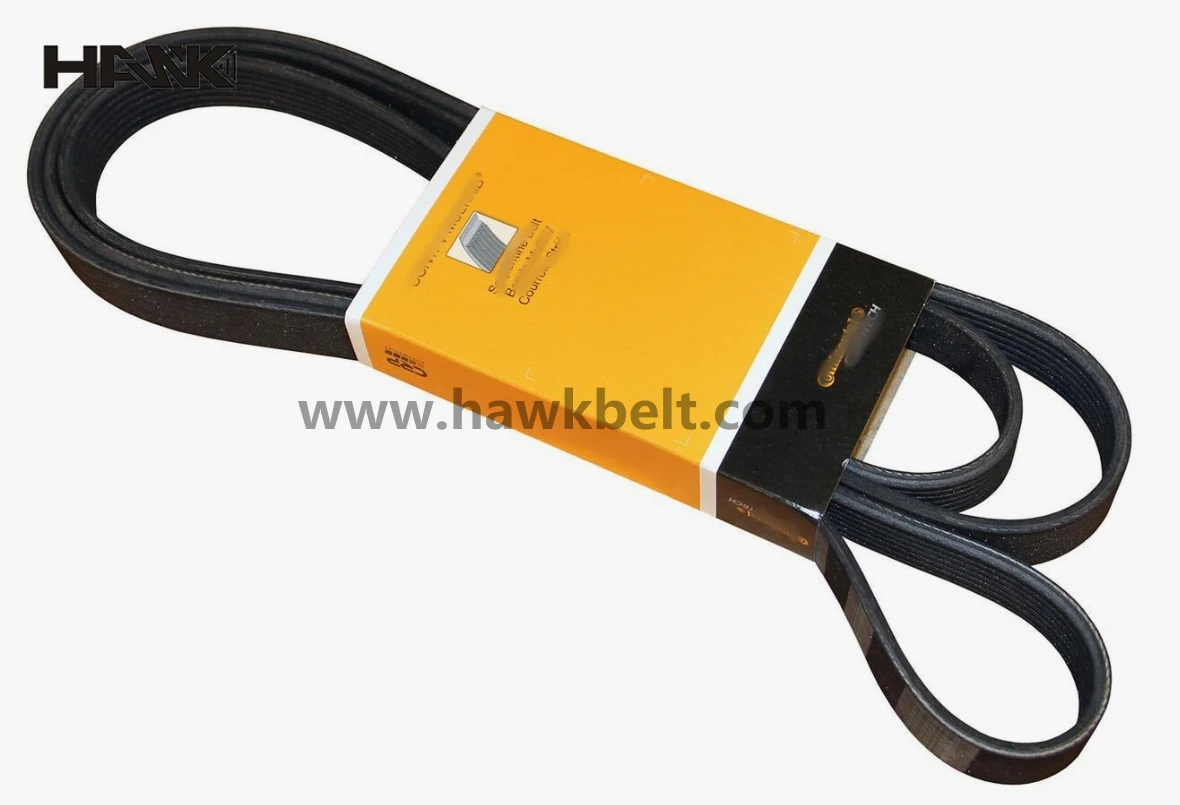
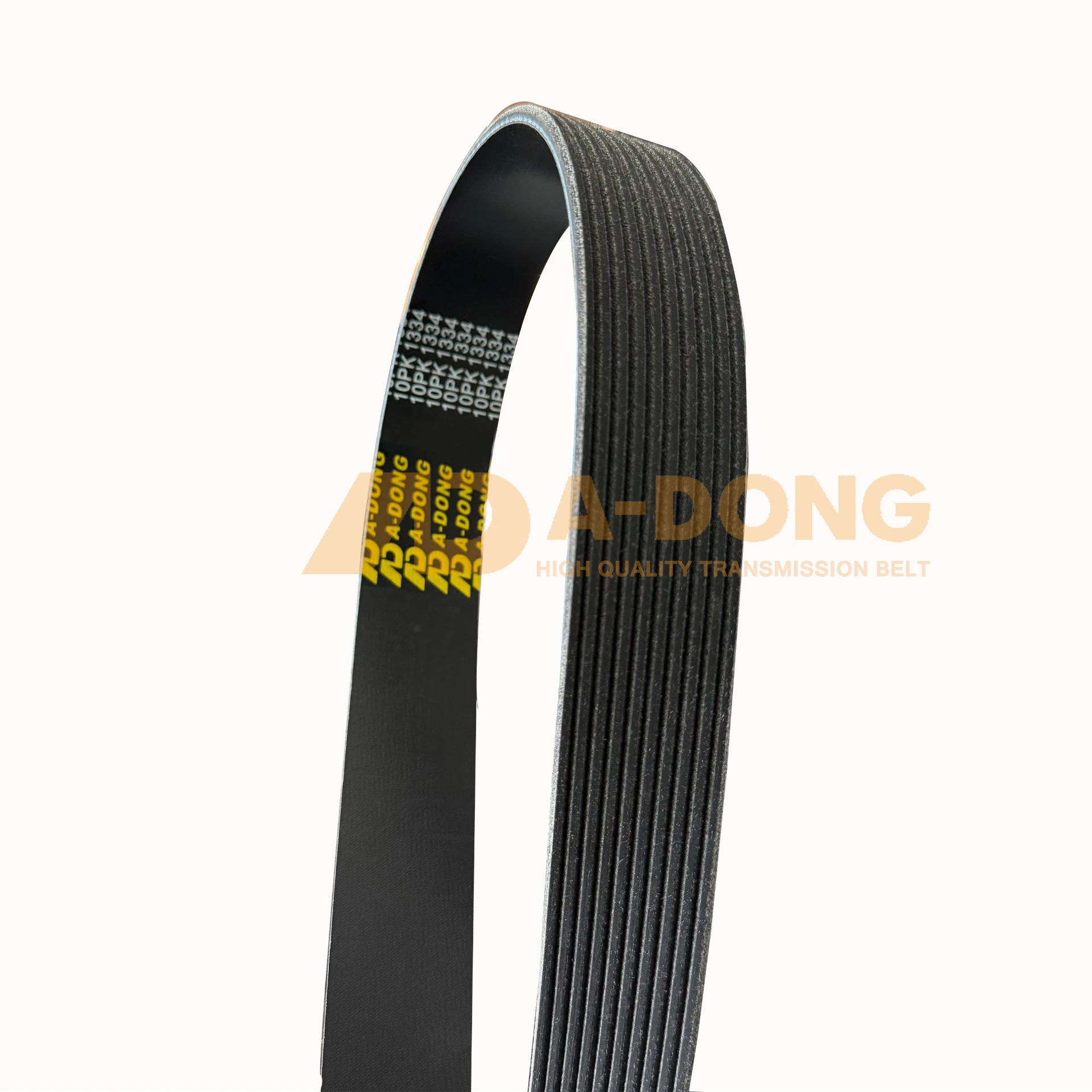
High-Performance pk belt Solutions for Libya's Automotive Sector

Engineered for extreme desert climates, providing unmatched durability and precision for the Libyan automotive and industrial transport market.

High-Performance pk belt Solutions for Libya's Automotive Sector

Specialized rubber transmission components designed to withstand the intense heat and sandy environments of Libya, ensuring maximum engine efficiency and longevity.

The State of Rubber Parts Manufacturing in Libya

Analyzing the challenges of automotive belt durability in North African arid regions.

In Libya, the automotive aftermarket is heavily influenced by extreme thermal fluctuations and high concentrations of airborne particulates. The demand for a reliable alternator belt is critical, as engine bays often reach temperatures that accelerate the degradation of standard rubber compounds, leading to premature cracking and slippage.

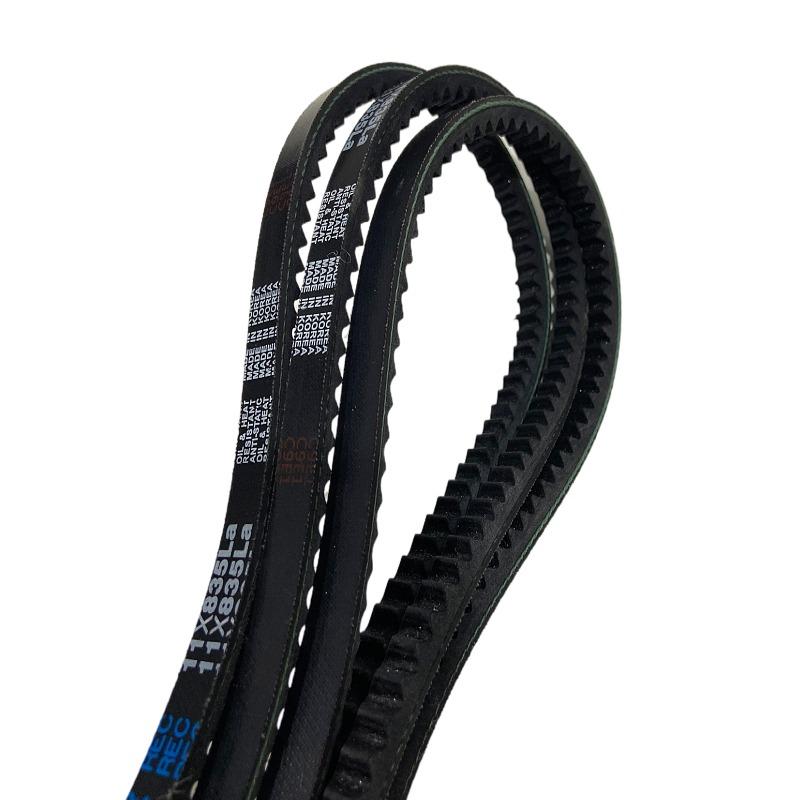
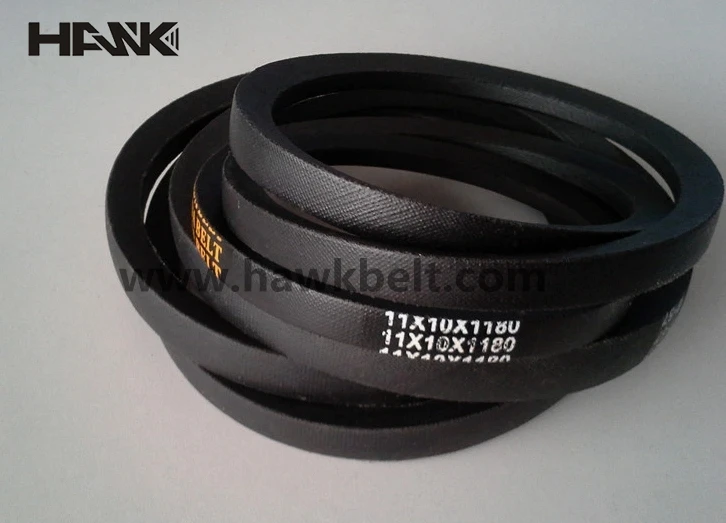
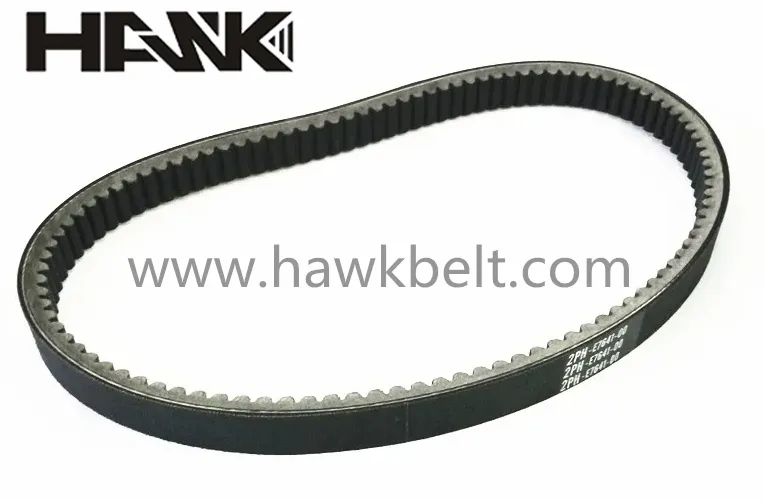
Local vehicle fleets, ranging from urban transport in Tripoli to heavy-duty logistics in the Sahara, require specialized materials. The prevalence of sand ingress means that a standard auto v belt must possess high abrasion resistance to prevent the "sandpaper effect" that wears down belt ribs and grooves rapidly.

Currently, the market is shifting from generic imports to high-spec, EPDM-based rubber components. There is a growing professional awareness in the Libyan mechanical sector that investing in premium rubber parts reduces vehicle downtime in remote regions where replacement logistics are challenging.
Evolution and Technical Trajectory of Automotive Belts

From traditional neoprene to advanced synthetic polymers for the North African market.

Market Development History

Historically, the Libyan market relied on basic Neoprene belts during the late 20th century. These traditional components suffered significantly under the Saharan sun, often requiring replacement every 20,000 kilometers due to thermal hardening.

Around 2010, the transition toward EPDM (Ethylene Propylene Diene Monomer) became evident. This shift allowed the auto rubber timing belt to offer significantly better resistance to heat and ozone, extending service intervals for the first time in the region.

In recent years, the introduction of precision-engineered ribs and reinforced tensile cords has revolutionized power transmission. The adoption of multi-ribbed profiles has replaced older single-groove systems to handle higher torque loads in modern engines.

Future Development Trends

Nano-Composite Rubber Integration

Integration of carbon nanotubes into rubber matrices to increase tensile strength and heat dissipation, specifically for high-load industrial engines in Libya.

Smart Wear-Sensing Materials

Development of belts with embedded indicators that change color or texture when the rubber reaches its fatigue limit, reducing catastrophic engine failures.

Eco-Friendly Biodegradable Polymers

Transitioning toward sustainable elastomers that maintain high performance while reducing the environmental footprint of rubber waste in urban centers.

Industry Trends and Future Outlook for Libya

Strategic directions for rubber part manufacturing and distribution in Africa.

Heat-Resistant Polymerization
Implementing advanced vulcanization processes to ensure rubber does not soften under Libya's 50°C+ summer peaks.
Anti-Abrasive Coating
Applying specialized surface treatments to reduce friction and wear caused by desert sand infiltration.
Precision OE Specifications
Moving toward 100% Original Equipment (OE) matching to ensure perfect fitment for diverse vehicle imports in Libya.
Supply Chain Localization
Establishing strategic regional hubs to reduce lead times for critical parts like the motorcycle belt.

Industry Outlook

Google search trends for "heavy duty rubber belts" and "high temp timing belts" in North Africa indicate a surge in demand for industrial-grade reliability. As Libya rebuilds its infrastructure, the requirement for belts that can handle heavy-duty construction machinery will outweigh standard passenger car needs.

The future will be defined by "Climate-Adaptive Engineering," where rubber parts are not just generic but specifically formulated for the UV index and ambient temperatures of the Libyan desert, ensuring safety and reducing the cost of ownership for fleet operators.

Localized Application Scenarios in Libya

Real-world implementation of high-durability rubber belts across Libyan industries.

1. Sahara Logistics & Freight Transport

Heavy-duty trucks transporting goods across the desert rely on reinforced alternator belts to power cooling systems. Our belts prevent snapping during extreme heat loads in the interior regions.

2. Tripoli Urban Commuter Motorcycles

High-frequency stop-and-go traffic in urban centers puts immense stress on the motorcycle belt. We provide high-grip compounds that resist glazing from heat build-up.

3. Oil & Gas Field Generator Sets

Critical power generators in the Sirte Basin require timing belts with zero-stretch tolerance. Our high-precision rubber parts ensure synchronization and prevent costly downtime in remote oil fields.

4. Coastal Agricultural Machinery

Farm equipment operating in coastal humidity and salty air needs belts that resist corrosion and oxidative stress, ensuring the efficient operation of water pumps and harvesters.

5. Public Transit Bus Fleets

Municipal buses operating in Benghazi require high-mileage belts that can withstand constant load fluctuations, reducing the frequency of maintenance intervals for city operators.

Brand Story

Global Development Journey of Xingtai Hawk Rubber & Plastic Products Co., Ltd.

Foundational Excellence

Established with a focus on rubber chemistry, we began by solving the most basic problem in power transmission: durability under stress.

Material Innovation

We pioneered the use of reinforced EPDM compounds, specifically targeting markets with extreme weather conditions like North Africa.

Global Expansion

By aligning our manufacturing with international OE standards, we expanded our footprint to over 50 countries, including Libya.

Precision Engineering

Investment in automated CNC cutting and molding technology allowed us to produce belts with micron-level precision for any vehicle model.

Sustainable Future

Our current mission is to lead the rubber industry toward eco-friendly materials without compromising the strength required for industrial use.

Libya Automotive Belt FAQ

Expert answers to common questions regarding rubber part maintenance in desert climates.

How often should I replace an alternator belt in the Libyan climate?

Due to high UV exposure and extreme heat, we recommend inspecting your belt every 10,000 km and considering replacement every 40,000 to 60,000 km, depending on driving conditions.

What is the best material for an auto v belt used in sandy areas?

EPDM (Ethylene Propylene Diene Monomer) is superior for sandy areas as it offers higher resistance to heat and better durability against abrasive particulates compared to standard Neoprene.

Can a low-quality auto rubber timing belt cause engine failure in high temperatures?

Yes. Low-quality rubber can stretch or crack under extreme thermal stress, leading to belt skipping and catastrophic valve-to-piston contact in interference engines.

Why is my motorcycle belt squealing in urban Tripoli traffic?

Squealing is often caused by glazing—where the rubber surface hardens due to excessive heat from frequent stop-and-go movements. Replacing it with a high-grip compound solves this.

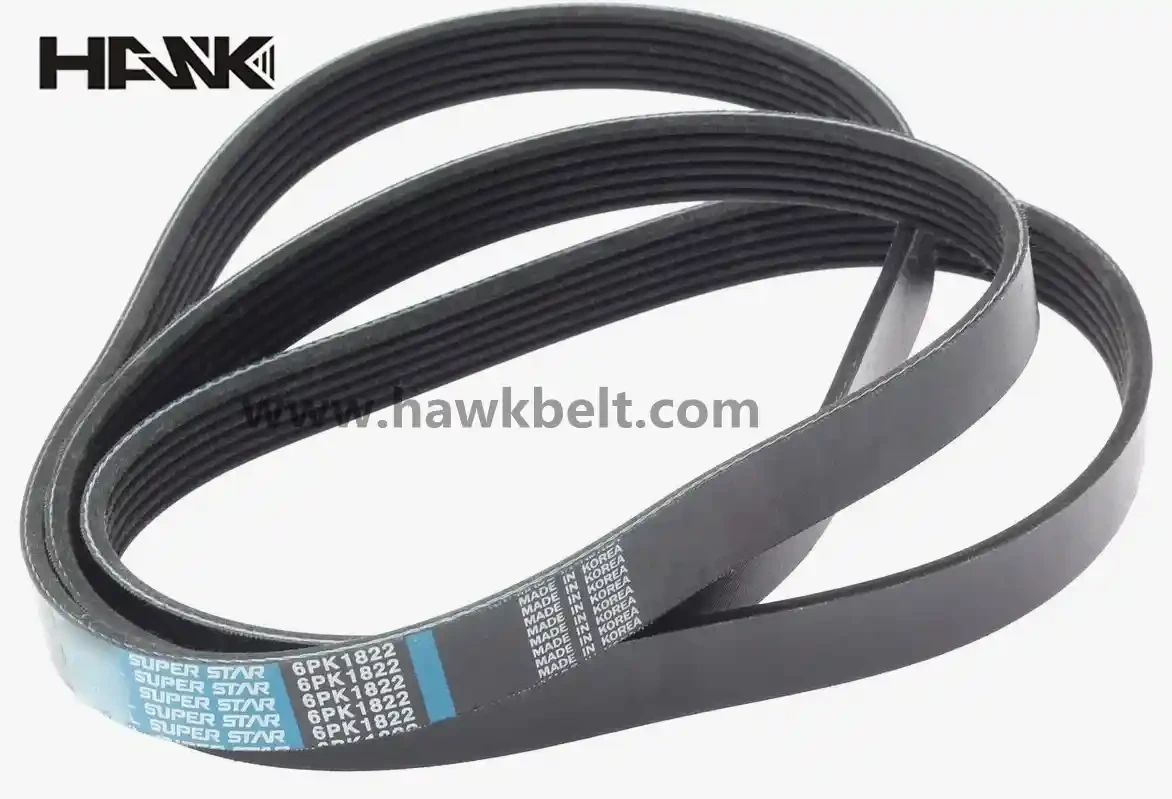
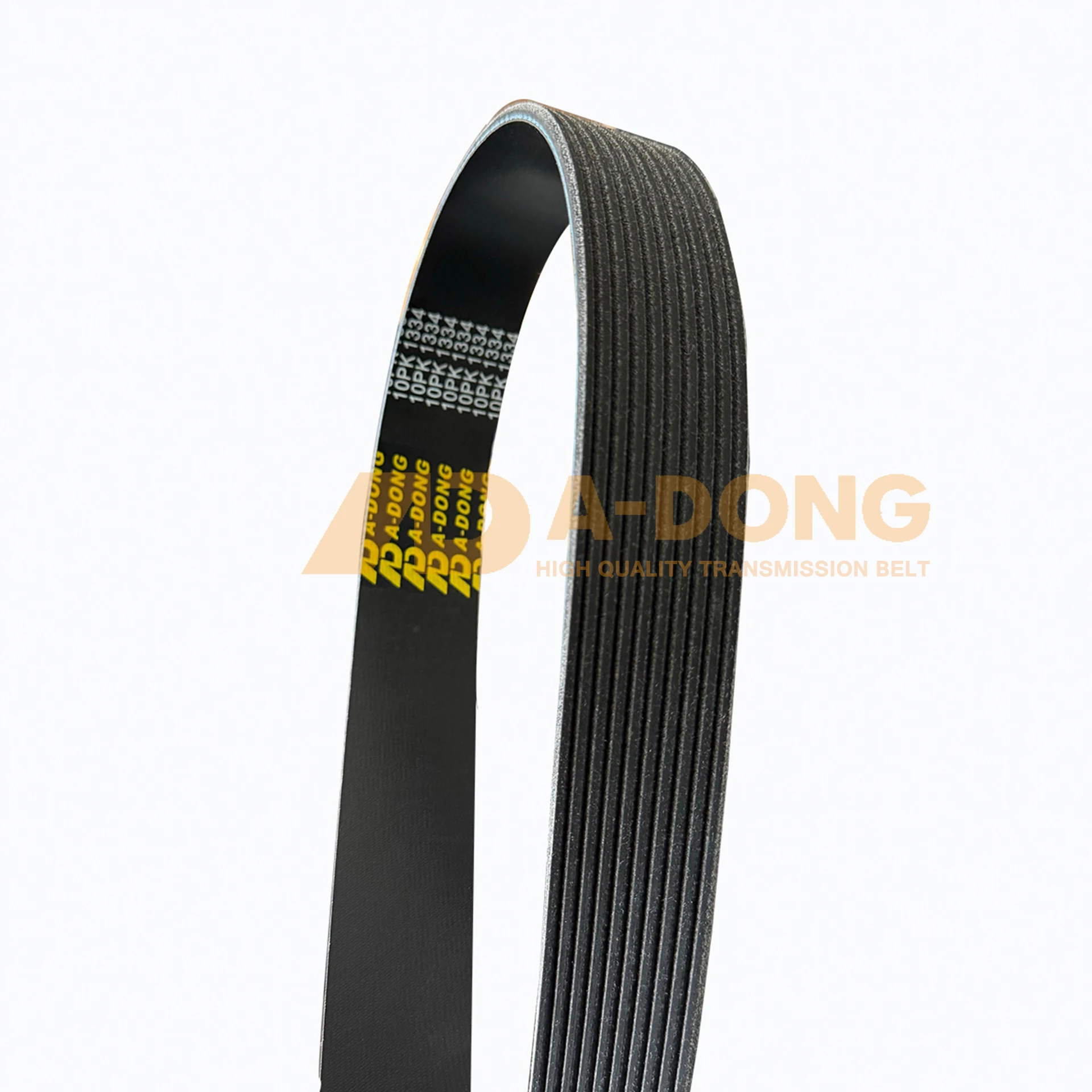
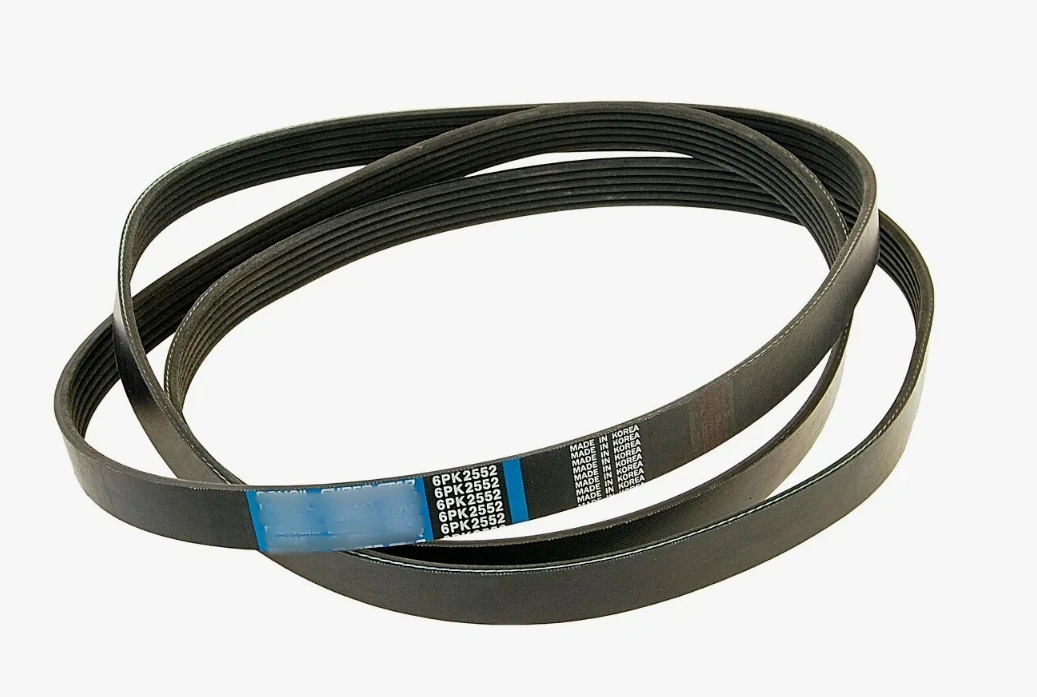
Do PK belts offer better efficiency than traditional V-belts?

Yes, PK belts (poly-V belts) have a larger surface area for power transmission and are more resistant to slip, making them ideal for modern, high-efficiency engines.

How can I prevent sand from wearing down my rubber belts?

Regularly cleaning the pulley grooves and using belts with high-density rubber compounds reduces the impact of abrasive sand particles on the belt's ribs.

Get Expert Guidance Today

Partner with the leading rubber parts manufacturer to ensure your vehicle fleet stays operational across Libya.

Contact Us Now

If you are interested in our products, you can choose to leave your information here, and we will be in touch with you shortly.