
Mobile Phone
+8615369985502
Call Us
+8615369985502
E-mail
mike@hawkbelt.com

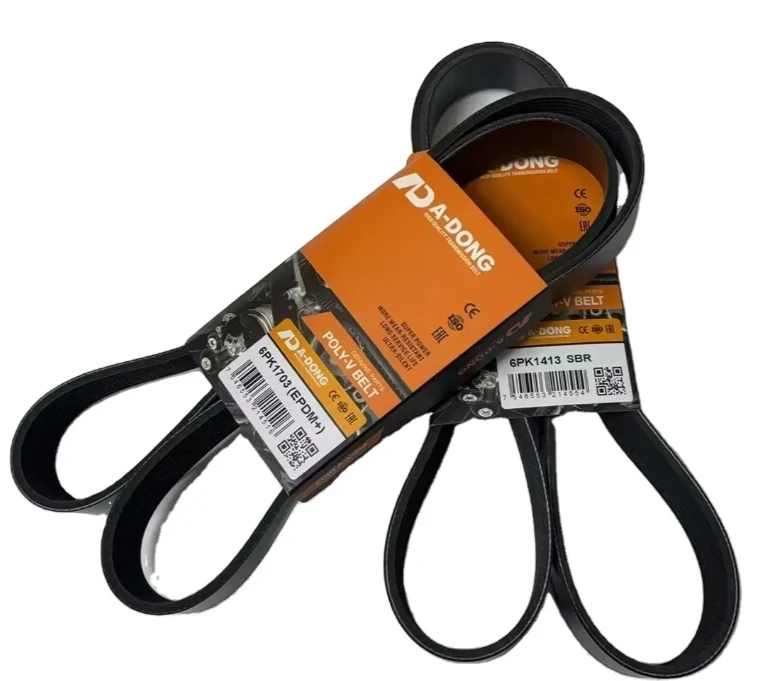
High-Performance pk belt Solutions for Laos Automotive Market

Engineering durable rubber drive components tailored for the tropical climate and rugged terrains of Southeast Asia.

Analysis of the Rubber Belt Industry in Laos

Navigating the challenges of tropical weather and infrastructure in the rubber parts sector.

In Laos, the automotive landscape is characterized by a high density of two-wheelers and rugged commercial pickups. The extreme tropical climate, featuring intense monsoon rains and high humidity, accelerates the degradation of standard rubber, making the demand for a high-quality motorcycle belt critical for daily commuting and logistics.

The local market has traditionally relied on imported generic parts, but there is a growing shift toward specialized components. The prevalence of dusty, unpaved roads in rural provinces increases the wear and tear on engine accessories, requiring a more robust auto v belt that can resist abrasive particles and heat fatigue.

Currently, the industry in Laos is transitioning from simple replacement cycles to preventive maintenance. Operators are increasingly seeking an alternator belt that offers extended service life to reduce downtime in remote areas where professional repair shops are scarce.
Technical Evolution and Growth Trajectory

From traditional rubber compounds to advanced synthetic polymers.

Market Development History

In the early 2000s, the Laotian market was dominated by basic natural rubber belts which suffered from rapid thermal degradation. These early components lacked the tensile strength required for modern engine loads, often failing during the peak summer months.

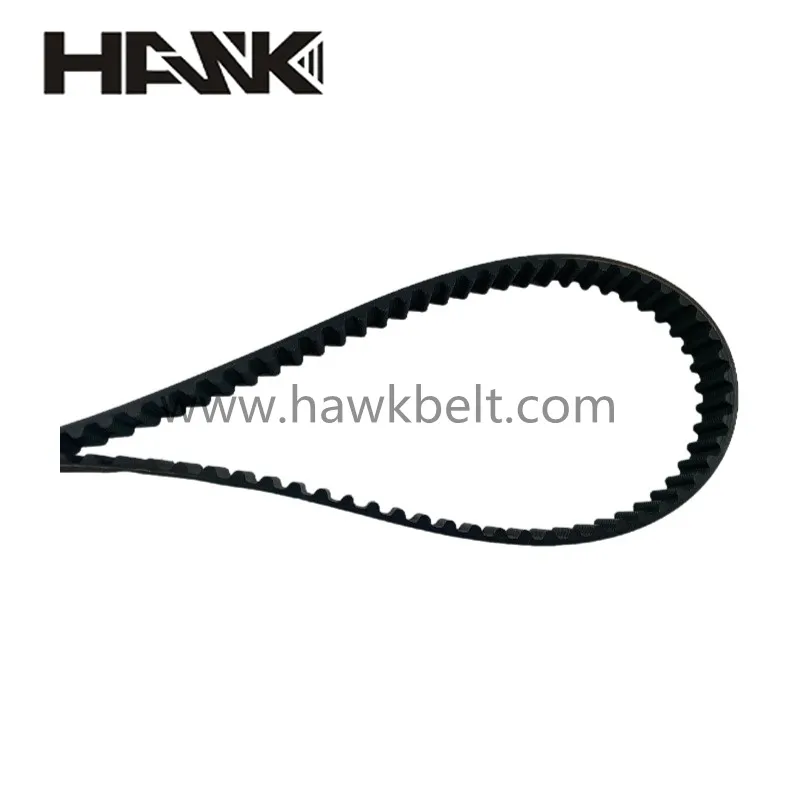
Between 2010 and 2018, the introduction of EPDM (Ethylene Propylene Diene Monomer) compounds revolutionized the sector. This shift allowed the auto rubber timing belt to offer significantly better resistance to ozone and heat, reducing the frequency of catastrophic engine failures.

From 2019 to the present, the focus has shifted toward precision geometry and "silent" drive technology. Modern belts now incorporate high-tensile polyester cords and specialized coatings to minimize noise and maximize power transfer in high-torque environments.

Future Development Trends

Eco-Friendly Synthetic Materials

Moving toward biodegradable or highly recyclable synthetic polymers to align with Southeast Asia's emerging green energy initiatives.

Smart Wear Monitoring

Integration of embedded sensors or visual wear indicators to predict belt failure before it happens, specifically for heavy-duty transport.

Enhanced Heat Dissipation

Developing new rubber formulations specifically designed for the 40°C+ temperatures common in Vientiane and Luang Prabang.

Future Outlook of Rubber Parts Manufacturing

Predicting the next 5 years of drive system technology in Laos.

High-Temperature Resistance
Developing rubber that maintains elasticity at extreme heat to prevent slipping.
Anti-Abrasive Coatings
Specialized surface treatments to protect belts from dust and road grit.
Hybrid Material Integration
Combining carbon fiber with rubber for unmatched tensile strength.
Low-Noise Engineering
Reducing acoustic pollution in urban areas like Vientiane via precision ribbing.

Industry Outlook

Based on regional search trends, there is a significant increase in demand for "long-life" and "heavy-duty" rubber components. As Laos improves its road infrastructure, vehicle speeds are increasing, which puts higher rotational stress on drive belts, necessitating a shift toward premium OEM-grade specifications.

The future will likely see a consolidation of the market where only manufacturers who can provide localized climate certifications will thrive. We anticipate that E-commerce will further streamline the distribution of precision belts to remote provinces.

Local Application Scenarios in Laos

Real-world deployment of our rubber solutions in diverse Laotian environments.

01. Urban Commuting in Vientiane

High-frequency stop-and-go traffic creates intense heat buildup. Our belts are optimized to prevent glazing and slipping during these extreme thermal cycles.

02. Logistics in Northern Highlands

Trucks transporting goods to Luang Prabang face steep inclines. Our reinforced belts provide the necessary torque transmission without stretching.

03. Rural Agriculture Transport

Farm vehicles operating in muddy and dusty conditions benefit from our anti-abrasive rubber that resists premature wear from environmental debris.

04. Motorcycle Delivery Services

The booming delivery sector requires a motorcycle belt that can handle 12+ hours of continuous operation daily.

05. Industrial Machinery in Mining Zones

Heavy-duty rubber parts are used in conveyor and generator systems within the mining sector, requiring maximum resistance to oils and chemicals.

Brand Story

Global Development History of Xingtai Hawk Rubber and Plastic Products Co., Ltd.

Foundational Excellence

Established with a mission to solve the core problem of premature rubber fatigue in industrial drive systems through advanced material science.

Technological Breakthroughs

Developed proprietary EPDM blending techniques that significantly increased the lifespan of automotive belts in tropical regions.

Market Expansion

Expanded our footprint across Southeast Asia, tailoring product specifications to meet the unique climatic needs of countries like Laos.

Quality Certification

Achieved international quality standards, ensuring every belt produced meets rigorous tensile and thermal stress tests.

Sustainable Future

Currently investing in green manufacturing to reduce the carbon footprint of rubber production while maintaining peak performance.

Common Questions for the Laos Market

Expert answers to the most frequent technical concerns regarding rubber belts.

How does humidity in Laos affect the lifespan of an auto rubber timing belt?

High humidity can accelerate the hydrolysis of lower-grade rubber. Our timing belts use advanced synthetic compounds that are hydrophobic and resistant to moisture-induced cracking.

Which alternator belt is best for vehicles operating in dusty rural roads?

We recommend belts with an anti-abrasive surface coating. These prevent dust particles from embedding in the rubber, which otherwise acts like sandpaper on the pulleys.

What are the signs that a motorcycle belt needs immediate replacement?

Common signs include audible slipping (squealing), visible cracks on the ribs, or a noticeable loss in acceleration during takeoff.

Can a pk belt handle the extreme summer heat of Vientiane?

Yes, our PK belts are engineered with high-thermal stability polymers that prevent stretching and softening even when ambient temperatures exceed 40°C.

Why is an auto v belt preferred for certain commercial vehicles in Laos?

V-belts provide excellent grip and are highly effective for high-torque, low-speed applications often found in agricultural and heavy transport machinery.

How often should I inspect my rubber drive components in a tropical climate?

Due to the harsh environmental factors in Laos, we recommend a visual inspection every 5,000 to 10,000 kilometers to ensure no thermal cracking has occurred.

Get Expert Rubber Solutions Today

Contact our engineering team for customized bulk orders and technical support across Laos.

Contact Us Now

If you are interested in our products, you can choose to leave your information here, and we will be in touch with you shortly.