
Mobile Phone
+8615369985502
Call Us
+8615369985502
E-mail
mike@hawkbelt.com

High-Performance pk belt Solutions for Ireland's Automotive Sector

Precision-engineered rubber components designed to withstand the demanding Irish climate and rigorous industrial standards.

High-Performance pk belt Solutions for Ireland's Automotive Sector

Providing the Irish automotive and manufacturing markets with world-class rubber transmission components, specializing in durability, heat resistance, and precision fitment for a wide range of vehicle applications.

Current Landscape of Rubber Parts Manufacturing in Ireland

Analyzing the intersection of Atlantic weather patterns and automotive rubber durability.

Ireland's unique geographical position in the North Atlantic exposes vehicles to constant humidity and frequent temperature fluctuations. This environment accelerates the degradation of standard rubber, making the demand for high-grade alternator belt components critical for maintaining vehicle reliability across the Emerald Isle.

The local market is characterized by a high density of European vehicle brands, requiring a precise match for OEM specifications. Whether it is an auto v belt for older fleet models or modern multi-ribbed systems, Irish distributors prioritize materials that resist ozone cracking and saltwater corrosion common in coastal regions like Galway and Cork.

Furthermore, the growth of the logistics sector in Dublin and surrounding hubs has increased the operational hours of light commercial vehicles. This shift has intensified the need for heavy-duty auto rubber timing belt replacements that can guarantee zero-slip performance under continuous load.

Evolution of Rubber Transmission Technology

From basic vulcanization to advanced polymer composites.

Market Development History

In the early stages of the automotive boom in Ireland, simple rubber compounds were used for transmission. These early belts suffered from rapid stretching and frequent failure, requiring monthly adjustments to maintain tension.

By the 1990s, the industry transitioned toward EPDM (Ethylene Propylene Diene Monomer) technology. This shift allowed the motorcycle belt and automotive markets to experience significantly longer service lives and better resistance to the heat generated by modern high-compression engines.

Entering the 2010s, the integration of high-tensile fibers (such as Kevlar and advanced polyesters) transformed the structural integrity of belts, enabling the development of thinner yet stronger profiles that reduced noise and increased energy efficiency.

Future Development Trends

Smart Wear Monitoring

Integration of embedded sensors within the belt structure to provide real-time wear data to the vehicle's ECU, predicting failure before it occurs.

Eco-Friendly Bio-Polymers

A shift toward sustainable, biodegradable rubber alternatives to meet the European Green Deal's stringent environmental regulations.

Extreme Heat Stability

Development of nano-composite rubber that maintains elasticity at temperatures exceeding 150°C, essential for high-performance hybrid engines.

Industry Trends and Future Outlook

Mapping the trajectory of the rubber parts industry toward 2030.

Precision Engineering
Adopting micron-level tolerance in belt width and pitch to eliminate slippage in luxury vehicles.
Material Innovation
Transitioning to hydrogenated nitrile rubber (HNBR) for superior oil and heat resistance.
Sustainability
Implementing closed-loop recycling for rubber scrap to reduce the carbon footprint of manufacturing.
Digital Logistics
Using AI-driven inventory management to ensure just-in-time delivery across the Irish provinces.

Industry Outlook

Google search trends indicate a rising interest in "long-life automotive belts" and "eco-friendly rubber parts" within the EU region. This suggests that consumers are moving away from cheap, disposable components toward sustainable, high-longevity solutions.

In the next 3-5 years, we expect the Irish market to see a surge in demand for hybrid-compatible transmission belts that can handle the sudden torque shifts associated with electric-motor integration, necessitating a new generation of rubber-polymer blends.

Localized Application Scenarios in Ireland

Where our rubber components solve real-world challenges in the Irish landscape.

01. Coastal Transport Fleet Maintenance

Vehicles operating in coastal cities like Dublin and Cork face extreme salinity. Our belts are treated with anti-corrosive coatings to prevent premature salt-induced degradation.

02. Rural Agricultural Machinery

Farms in the West of Ireland rely on heavy-duty rubber parts. We provide reinforced belts that handle high torque and muddy environments without slipping.

03. Urban Delivery Services

Stop-and-go traffic in city centers causes rapid heat buildup. Our high-thermal stability belts ensure consistent performance during idling and acceleration.

04. Motorcycle Touring in the Wild Atlantic Way

Tourists and locals using motorcycles for long-distance travel require absolute reliability. Our specialized belts are engineered for long-haul endurance.

05. Specialized Industrial Conveyors

Ireland's pharmaceutical and tech manufacturing plants use custom rubber components for clean-room conveyor systems, requiring low-particle emission materials.

Brand Story

Global Development Journey of Xingtai Hawk Rubber and Plastic Products Co., Ltd.

Foundation and Focus

Established with a vision to solve the problem of rapid rubber fatigue in industrial belts, we began by perfecting our vulcanization process.

Technological Breakthrough

We pioneered the integration of high-strength polyester cords into our rubber matrix, significantly reducing belt stretch across all product lines.

European Expansion

Expanding into the EU market, we tailored our specifications to meet the rigorous safety and environmental standards of Western Europe.

Quality Certification

Achieving ISO certifications allowed us to become a trusted partner for automotive OEMs, ensuring every belt meets global precision standards.

Future-Proofing Manufacturing

Today, we invest in AI-driven quality control to ensure zero-defect delivery to our clients in Ireland and beyond.

Frequently Asked Questions - Ireland

Expert answers to common queries regarding rubber belt maintenance and selection.

How often should I replace my alternator belt in the Irish climate?

Due to high humidity and salt exposure in Ireland, we recommend a professional inspection every 12 months and replacement every 60,000 to 80,000 km to prevent sudden failure.

What is the difference between an auto v belt and a pk belt?

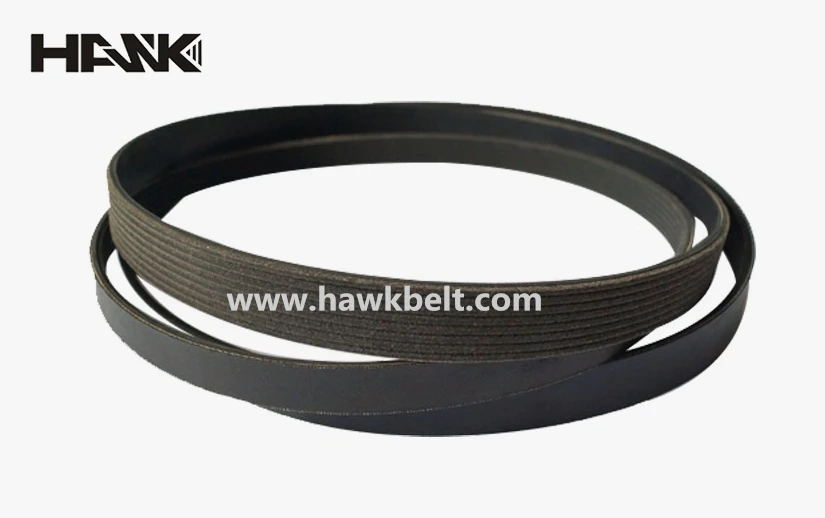
An auto v belt has a wedge-shaped cross-section for high-torque, lower-speed applications, while a pk belt is a multi-ribbed flat belt designed for higher efficiency and multiple accessory drives.

Can a low-quality auto rubber timing belt cause engine failure?

Yes, if a timing belt snaps or skips a tooth due to poor material quality, it can lead to catastrophic valve and piston collision in interference engines.

Are motorcycle belts compatible across different brands?

Most are not. Each motorcycle belt is engineered for specific pulley diameters and tensioners; always verify the OEM part number for a precise fit.

How can I tell if my belt is slipping or worn out?

Common signs include a high-pitched squealing sound upon startup, visible cracks on the ribs, or fraying edges on the belt surface.

Do you offer bulk custom rubber parts for Irish manufacturers?

Yes, we provide custom rubber compounding and precision molding for industrial applications, ensuring compliance with EU manufacturing standards.

Get Your Precision Rubber Solutions Today

Partner with the leading expert in rubber parts manufacturing for your business in Ireland. Contact us for custom quotes and technical support.

Contact Us Now

If you are interested in our products, you can choose to leave your information here, and we will be in touch with you shortly.