Mobile Phone
+8615369985502
Call Us
+8615369985502
E-mail
mike@hawkbelt.com

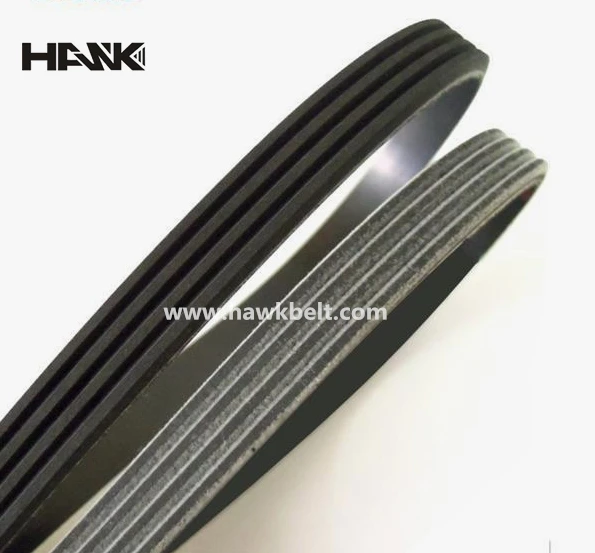
High-Performance pk belt Solutions for Greece Automotive Market

Precision-engineered rubber components designed to withstand the Mediterranean climate and rigorous Greek driving conditions.

High-Performance pk belt Solutions for Greece Automotive Market

Providing Greek distributors and workshops with industrial-grade rubber drive solutions, ensuring maximum efficiency and longevity for all vehicle types.

The Rubber Parts Landscape in Greece

Analyzing the impact of environmental factors on automotive rubber components in the Hellenic Republic.

The Greek automotive market faces unique challenges due to the extreme temperature fluctuations between the mountainous north and the coastal south. High UV exposure and saline air in coastal cities like Piraeus accelerate the degradation of standard rubber, making the demand for a high-quality alternator belt crucial for maintaining vehicle reliability.

Economically, Greece has a strong reliance on a diverse fleet of aging vehicles and a growing number of modern hybrids. This duality requires a supply chain capable of providing both traditional auto v belt options for classic engines and advanced synthetic belts for newer European models.

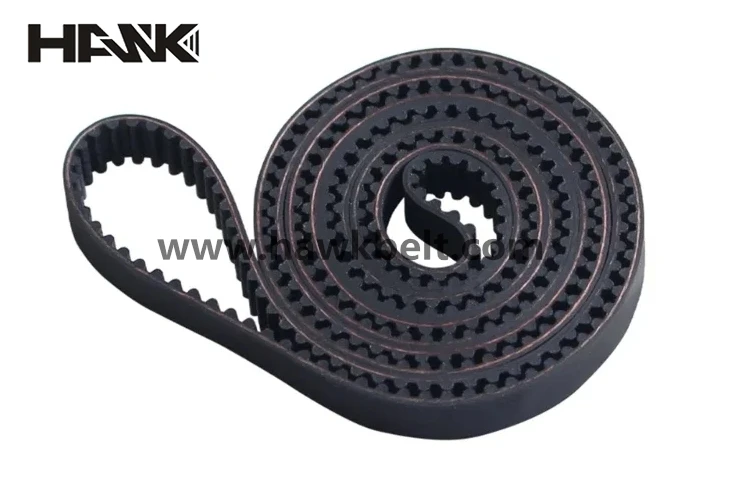
Furthermore, the rugged terrain of the Greek islands and mainland necessitates components that can handle high torque and sudden stress. The precision of an auto rubber timing belt is paramount to prevent catastrophic engine failure in these demanding geographical environments.

Evolution of Rubber Drive Technology in Greece

From basic vulcanized rubber to high-silica EPDM compounds.

Market Development History

In the late 20th century, the Greek market relied heavily on basic vulcanized rubber belts that suffered from rapid thermal aging. These early components lacked the flexibility required for the complex routing systems of evolving European engines.

By the early 2000s, the shift toward EPDM (Ethylene Propylene Diene Monomer) materials revolutionized the industry. This transition allowed for the widespread adoption of the motorcycle belt in urban centers like Athens, offering significantly better heat resistance and reduced slippage.

From 2015 to the present, the integration of high-tensile cord materials (Kevlar and specialized polyesters) has enabled belts to be thinner yet stronger, meeting the strict Euro emission standards and efficiency requirements of the modern Greek transport sector.

Future Development Trends

Smart Material Integration

Integration of wear-indicating sensors within the rubber matrix to alert Greek fleet managers before a belt failure occurs.

Eco-Friendly Bio-Polymers

Transitioning towards sustainable, bio-based rubber compounds to align with the European Green Deal and Greece's carbon neutrality goals.

Hybrid-Specific Compounds

Developing belts with specialized friction coefficients to handle the frequent start-stop cycles of hybrid powertrains common in Greek cities.

Industry Trends and Future Outlook

Strategic forecasts for the rubber parts manufacturing sector in Europe.

Thermal Resistance Optimization
Developing compounds that maintain elasticity despite Greece's intense summer heat waves.
Precision Profile Engineering
Enhanced rib geometry to reduce noise, vibration, and harshness (NVH) in urban traffic.
Supply Chain Digitalization
Implementing AI-driven demand forecasting for Greek spare parts distributors.
Carbon-Neutral Manufacturing
Reducing the energy footprint of rubber vulcanization processes.

Industry Outlook

Based on Google search trends for automotive maintenance in Southern Europe, there is a rising shift toward "preventative replacement." Greek consumers are increasingly searching for high-durability belts to avoid the high cost of emergency roadside repairs on remote highways.

Over the next 3-5 years, we expect a consolidation of the market where only manufacturers offering E-E-A-T compliant technical specifications and certifications (ISO/IATF) will maintain significant market share in the EU region.

Localized Application Scenarios in Greece

Tailored rubber solutions for specific Greek transportation needs.

1. Urban Commuting in Athens

High-friction stop-and-go traffic causes rapid heat buildup. Our specialized pk belt series reduces slippage and ensures constant alternator charging during idling.

2. Inter-Island Ferry Logistics

Vehicles operating in port environments are exposed to saline corrosion. We provide salt-resistant coatings for all rubber components to prevent premature cracking.

3. Mountainous Region Transport

Heavy-duty climbs in the Pindus mountains place immense stress on drive systems. Reinforced auto v belt options provide the necessary torque transmission without stretching.

4. Tourist Rental Fleet Maintenance

High-utilization rental cars require long-life components. Our premium auto rubber timing belt extends service intervals, reducing fleet downtime during peak summer seasons.

5. Greek Courier & Delivery Services

The boom in e-commerce has increased the demand for reliable small-engine transport. Our high-durability motorcycle belt ensures delivery reliability across urban landscapes.

Brand Story

Global Development History of Xingtai Hawk Rubber and Plastic Products Co., Ltd.

Foundational Excellence

Established with a focus on raw material purity, we began by solving the problem of rubber brittleness in extreme temperatures.

Technical Diversification

Expanded our production lines to include complex automotive profiles, mastering the art of precision ribbing for global standards.

European Market Entry

Successfully entered the EU market by aligning our quality control with strict European safety and environmental regulations.

Innovation Milestone

Developed proprietary EPDM blends that increased belt lifespan by 30% for high-load automotive applications.

Global Partnership Vision

Today, we strive to be the primary partner for Greek automotive distributors, blending industrial power with precision engineering.

Greece Automotive Belt FAQ

Technical answers for the most common queries in the Greek market.

How does the Greek summer heat affect my alternator belt lifespan?

Extreme heat causes rubber to harden and crack. Using an EPDM-based belt ensures that the component maintains flexibility and grip even in temperatures exceeding 40°C.

What is the difference between a standard auto v belt and a pk belt?

A V-belt uses a wedge shape for grip, while a PK belt (Poly-V) features multiple small ribs, allowing for more compact routing and higher efficiency in modern engines.

When should I replace my auto rubber timing belt in high-mileage vehicles?

In the Greek climate, we recommend inspection every 60,000km and replacement every 100,000km or 5 years, whichever comes first, to avoid engine synchronization failure.

Are motorcycle belts durable enough for Athens' urban traffic?

Yes, our reinforced belts are specifically designed to handle the frequent acceleration and braking cycles typical of dense urban environments.

Can I use a generic rubber belt for a European car in Greece?

Generic belts often lack the specific tensile strength and temperature ratings required for European engine specifications, which can lead to premature failure.

How to identify a worn-out pk belt before it snaps?

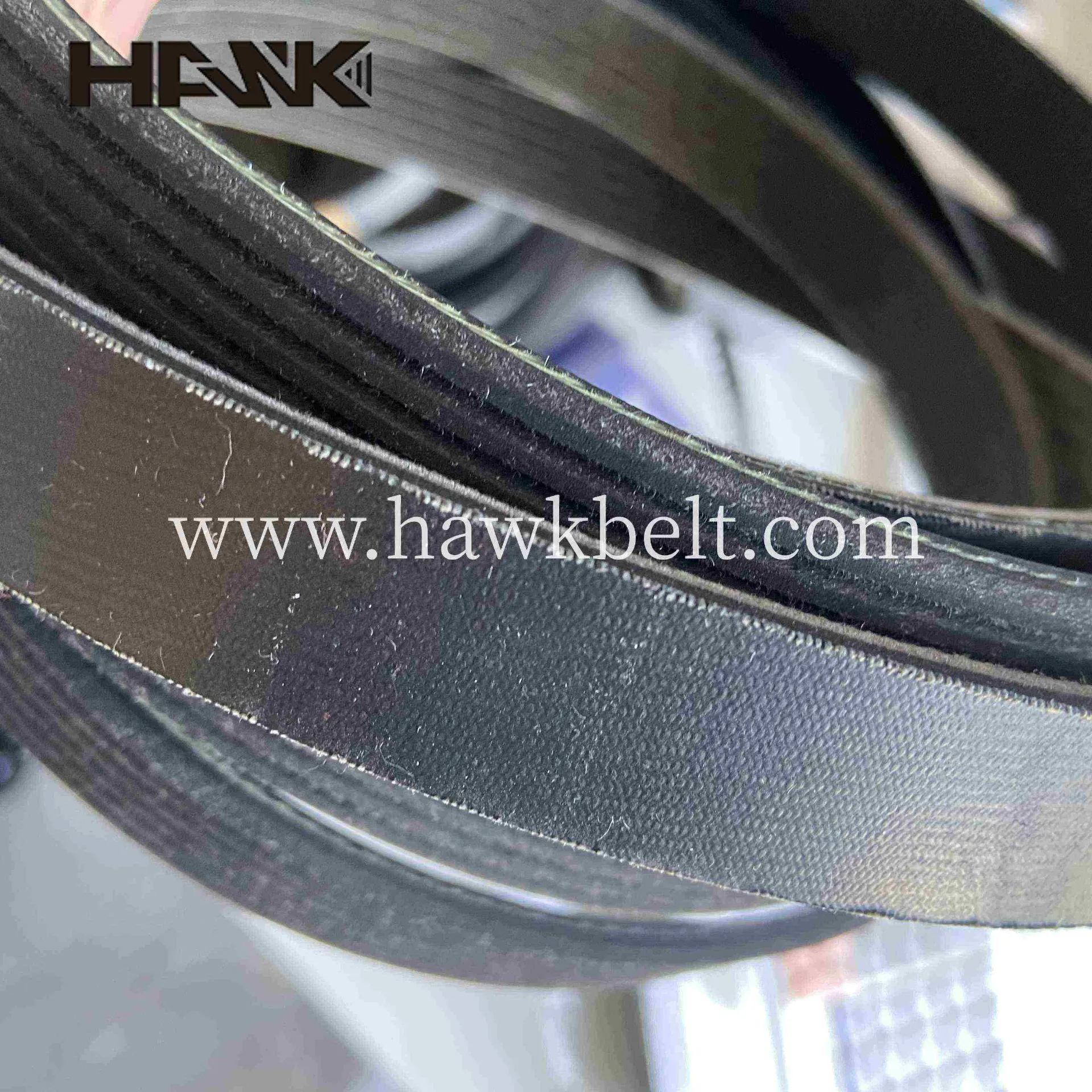
Look for "glazing" (shiny spots on the ribs), visible cracks across the ribs, or a high-pitched squealing sound during cold starts.

Get Expert Technical Support

Partner with the leading rubber parts manufacturer for your business needs in Greece.

Contact Us Now

If you are interested in our products, you can choose to leave your information here, and we will be in touch with you shortly.