Mobile Phone
+8615369985502
Call Us
+8615369985502
E-mail
mike@hawkbelt.com

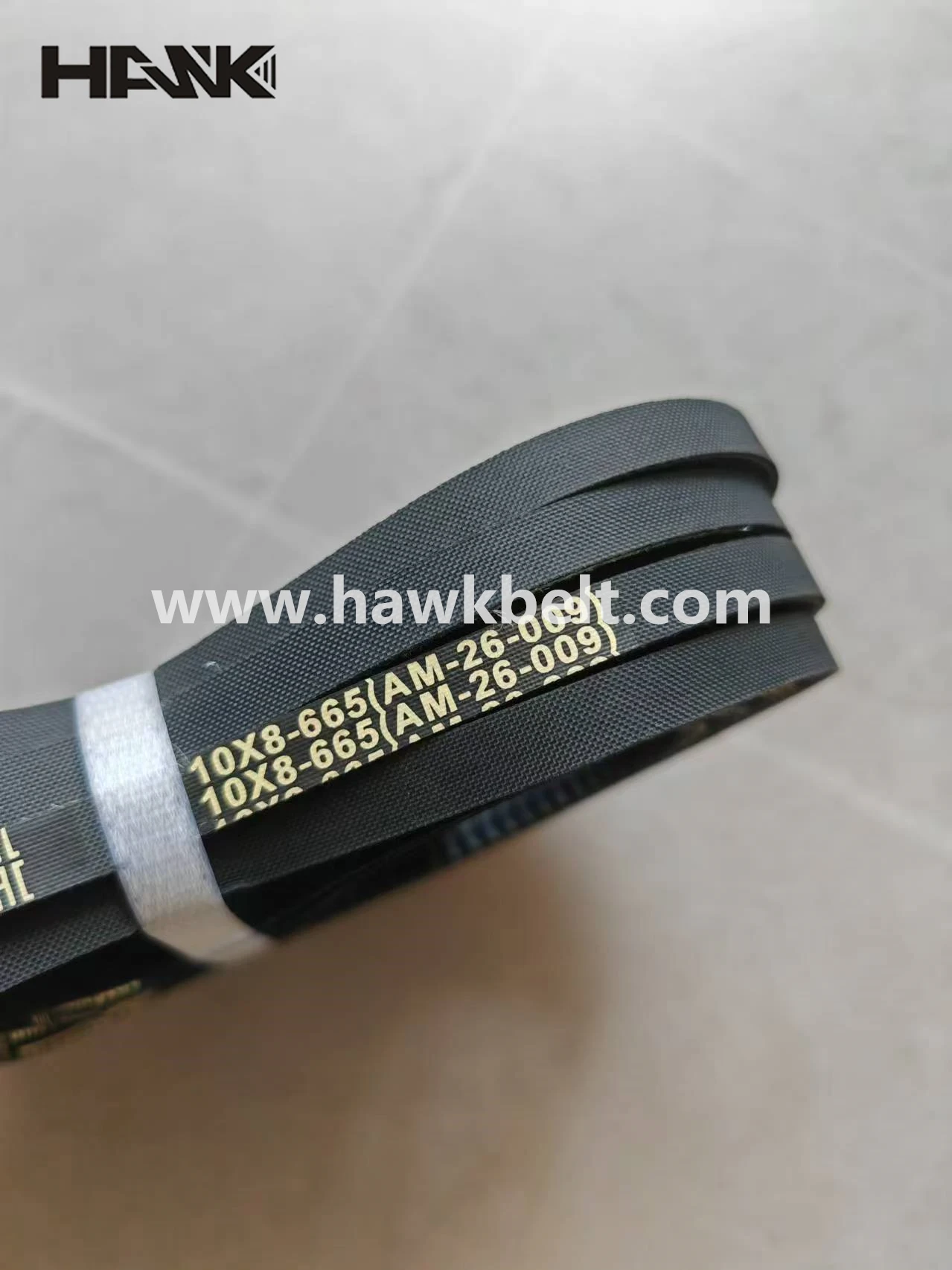
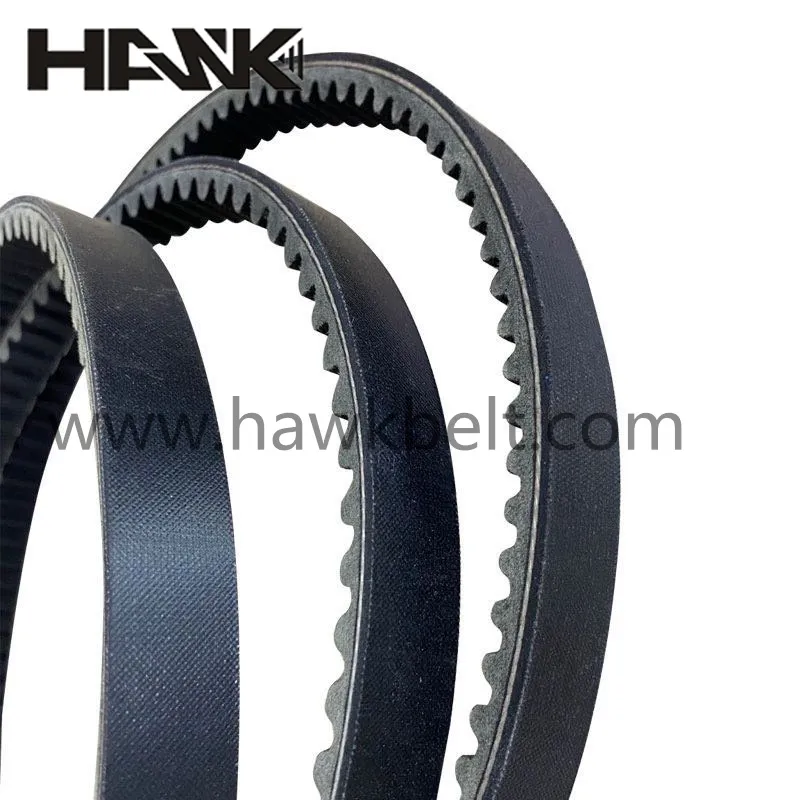
High-Performance pk belt Solutions for Ecuador's Automotive Market

Engineered for durability and precision, our industrial rubber components are optimized for the diverse terrains and climates of the Ecuadorian region.

High-Performance pk belt Solutions for Ecuador's Automotive Market

Providing advanced rubber transmission systems that ensure engine stability and efficiency across the Andean highlands and coastal plains of Ecuador.

The Current Landscape of Rubber Parts Manufacturing in Ecuador

Analyzing the impact of geographic diversity on rubber component wear and demand.

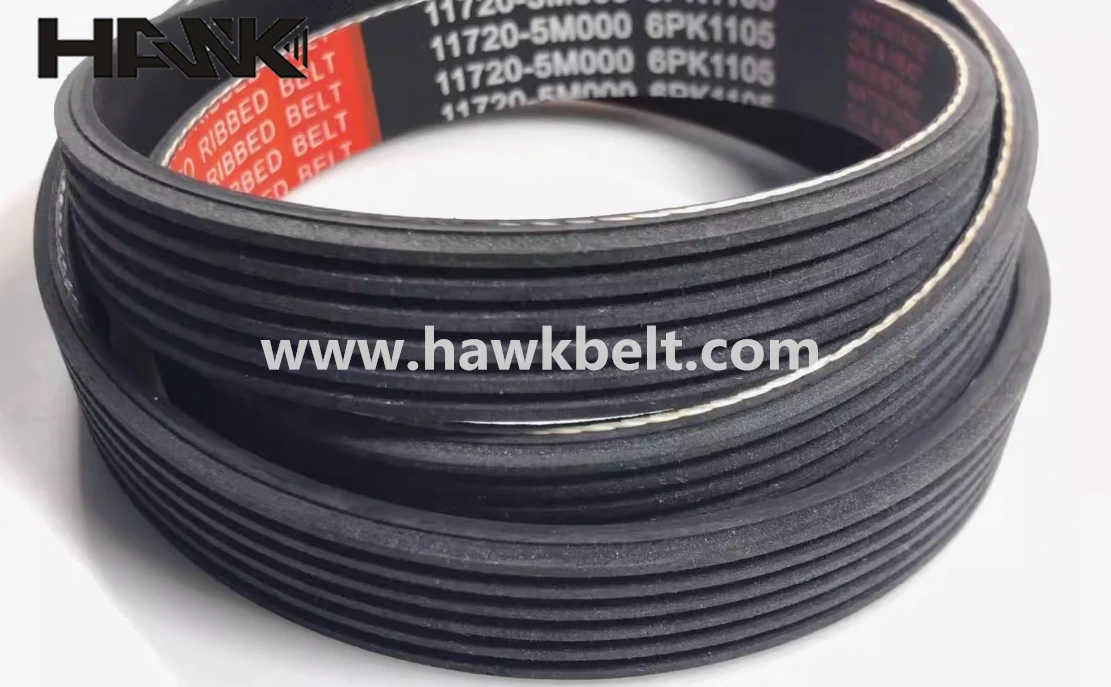
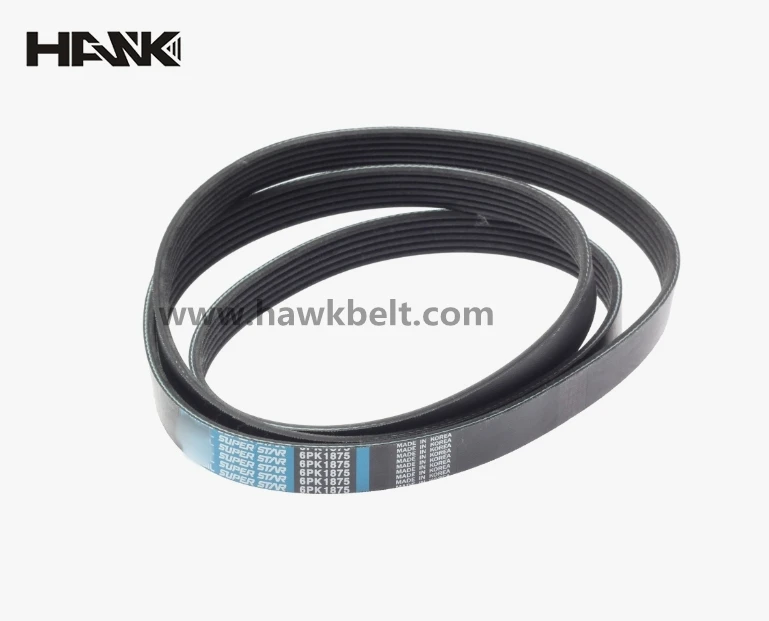
Ecuador presents a unique challenge for automotive rubber parts due to its extreme altitudinal variations. From the humid coastal regions to the high-altitude Andes, an alternator belt must withstand rapid temperature fluctuations and high UV exposure, which typically accelerate the degradation of standard rubber compounds.

The local market is currently seeing a shift toward higher-grade synthetic materials. The reliance on traditional rubber has transitioned as vehicle owners in cities like Quito and Guayaquil demand components that can handle the stop-and-go traffic of urban centers while maintaining tension under heavy loads.

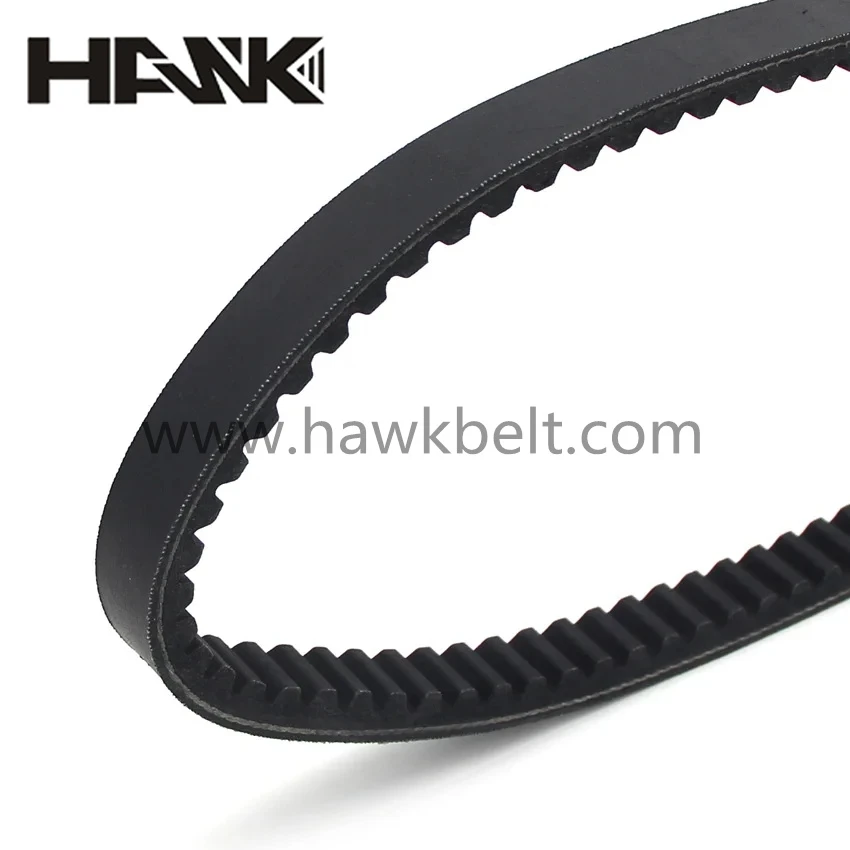
Furthermore, the prevalence of diverse vehicle fleets, ranging from light motorcycles to heavy-duty transport, has created a fragmented demand for specialized parts such as the auto v belt, requiring manufacturers to offer highly adaptable and durable product ranges.
Evolution and Trajectory of Rubber Component Engineering

From basic friction belts to precision-engineered timing systems.

Market Development History

In the early 2000s, the Ecuadorian market primarily utilized basic rubber belts that suffered from frequent stretching and slippage. These early iterations provided basic functionality but lacked the heat resistance required for the tropical climate.

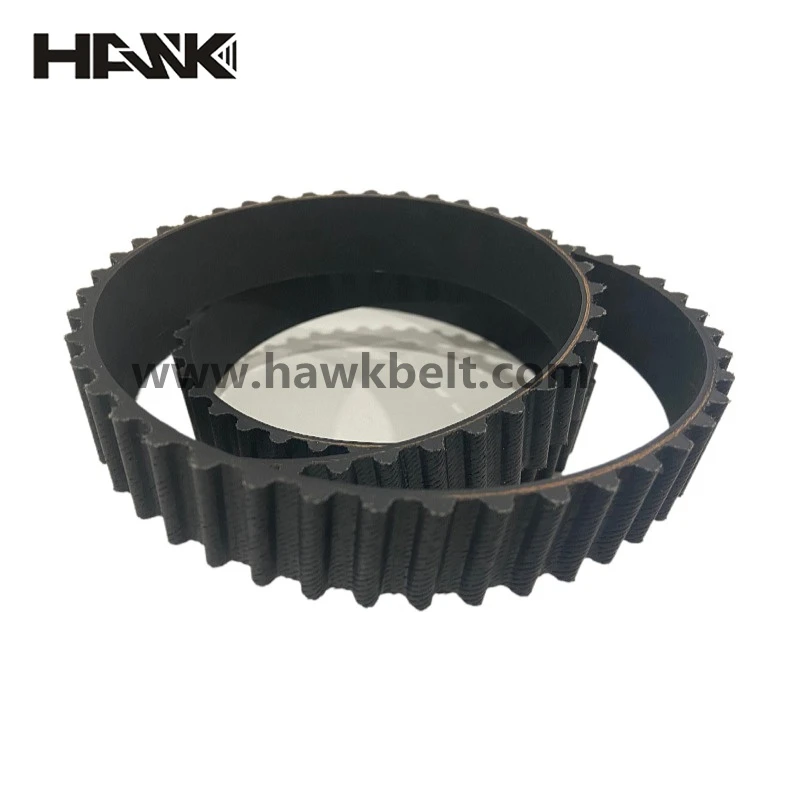
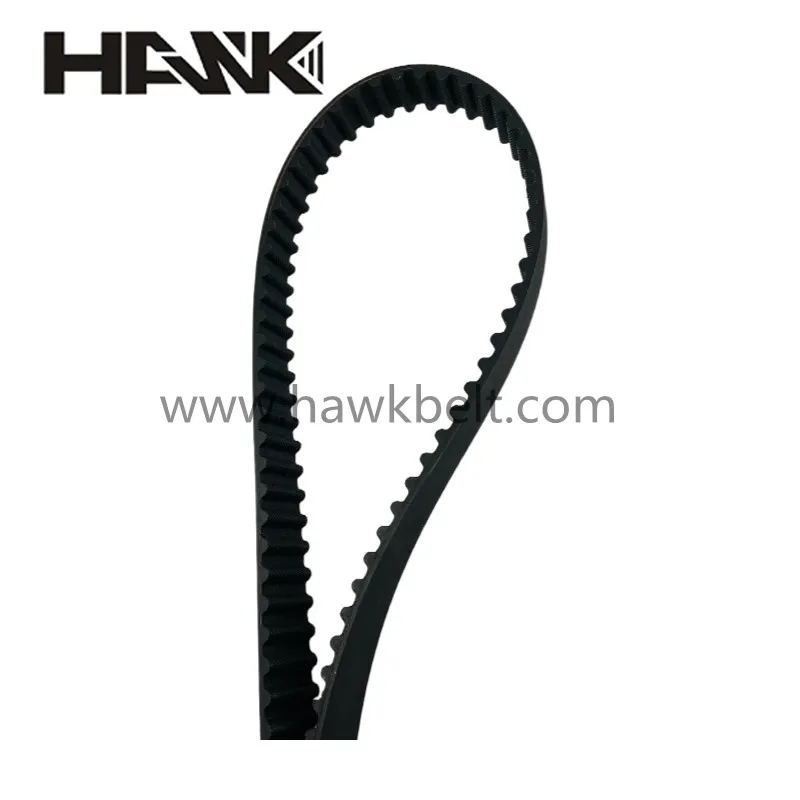
By 2010-2015, the introduction of EPDM (Ethylene Propylene Diene Monomer) revolutionized the industry. This period saw the widespread adoption of the auto rubber timing belt, which offered significantly better resistance to ozone and heat, reducing the frequency of catastrophic engine failures.

From 2018 to the present, the focus has shifted toward "low-noise" and "high-torque" specifications. Modern manufacturing now integrates high-tensile cords with advanced polymers to meet the stricter emissions and performance standards of newer vehicle imports.

Future Development Trends

Eco-Friendly Polymer Integration

We anticipate a move toward bio-based elastomers to reduce the carbon footprint of rubber manufacturing, aligning with South America's growing sustainability goals.

Smart Tensioning Technologies

Integration of wear-sensing materials that can indicate the remaining lifespan of a belt, reducing unplanned downtime for commercial fleets.

Extreme Climate Optimization

Development of hybrid compounds specifically designed to remain flexible at high Andean altitudes while resisting melting in coastal heat.

Future Outlook of Automotive Rubber Parts

Strategic directions for the next 3-5 years based on search trends and industrial shifts.

Material Hybridization
Combining traditional rubber with advanced aramid fibers to increase tensile strength and lifespan.
Precision Molding
Adopting AI-driven molding processes to eliminate micro-voids in rubber, ensuring perfect belt geometry.
EV Compatibility
Developing specialized belts for electric and hybrid vehicles that require different torque profiles.
Global Supply Chain
Optimizing logistics to ensure just-in-time delivery of critical rubber parts to remote Ecuadorian provinces.

Industry Outlook

Based on Google search trends in South America, there is an increasing query volume for "long-life" and "heavy-duty" rubber parts. This indicates a market shift toward quality-centric purchasing over low-cost replacements, particularly for commercial logistics vehicles.

The fusion of rubber manufacturing with digitalization—such as predictive maintenance algorithms—will likely be the key competitive advantage for suppliers operating in the Ecuadorian automotive sector over the next few years.

Local Application Scenarios in Ecuador

Real-world deployment of rubber components in Ecuadorian environmental conditions.

01. High-Altitude Andean Transport

Vehicles operating in Quito require an auto rubber timing belt capable of maintaining synchronization despite thinner air and fluctuating combustion temperatures.

02. Coastal Logistics and Humidity

In the humid climate of Guayaquil, our rubber belts are treated with anti-corrosive agents to prevent premature cracking and slippage caused by high moisture and salinity.

03. Last-Mile Urban Delivery

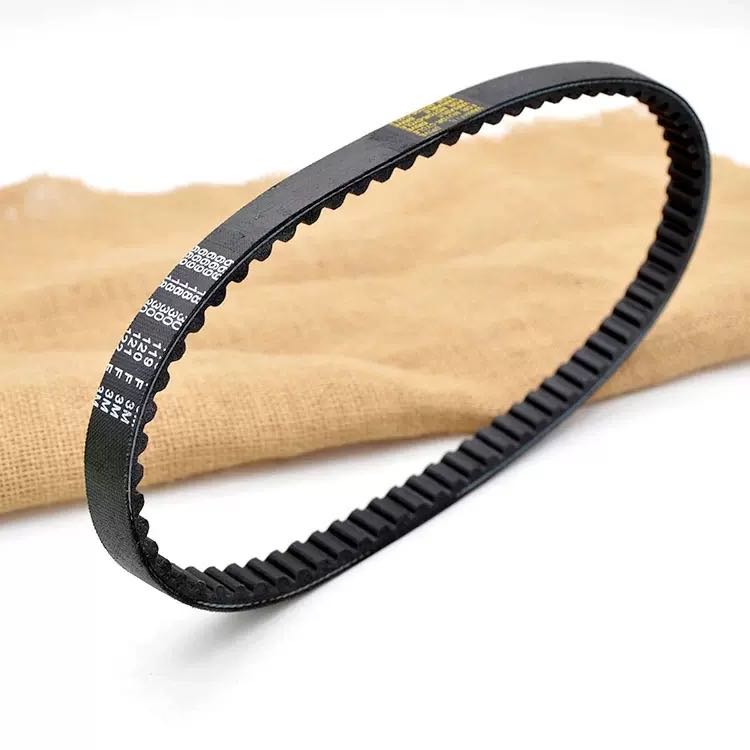
The high density of courier services utilizing motorcycles makes the motorcycle belt a critical component for maintaining efficiency in stop-and-go city traffic.

04. Agricultural Machinery in the Oriente

Farm equipment in the Amazonian region utilizes heavy-duty belts to transfer power in muddy and debris-heavy environments, requiring superior abrasion resistance.

05. Public Transit Fleet Management

Inter-city buses traversing the diverse Ecuadorian geography rely on high-tension belts to ensure the alternator and water pump operate without failure over long distances.

Brand Story

Global Development Journey of Xingtai Hawk Rubber and Plastic Products Co., Ltd.

Foundational Excellence

Established with a commitment to rubber chemistry, we began by solving the most basic durability issues for local industrial belts.

Technological Breakthrough

Invested in advanced EPDM compounding and precision molding to create belts that outperform industry standards in heat resistance.

Global Expansion

Expanded our reach to South America, tailoring our product specifications to meet the rugged demands of the Ecuadorian market.

Quality Certification

Achieved international quality standards, ensuring every part produced meets strict tolerances for automotive safety.

Vision for the Future

Dedicated to pioneering sustainable rubber solutions that empower the global automotive industry toward a greener future.

Ecuador Automotive Rubber Parts FAQ

Expert answers to common technical queries from the local Ecuadorian market.

How does altitude in Quito affect the lifespan of an auto rubber timing belt?

High altitudes often mean lower oxygen levels and different engine operating temperatures, which can lead to faster rubber hardening. Our belts use specialized polymers to maintain flexibility at high elevations.

What is the best replacement interval for a pk belt in coastal Guayaquil?

Due to high humidity and salt air, we recommend inspecting your belts every 10,000km and replacing them every 60,000km to prevent unexpected slippage or snapping.

Can a motorcycle belt be used in heavy-duty delivery services?

Yes, our belts are specifically reinforced for high-torque delivery applications, ensuring that frequent starts and stops do not compromise the belt's structural integrity.

How can I tell if my alternator belt is slipping in hilly terrain?

Common signs include a high-pitched squealing sound during acceleration or dimming headlights when the steering wheel is turned fully while idling.

What are the advantages of an auto v belt over flat belts for older vehicles?

The V-shape creates a wedging action in the pulley, significantly increasing friction and power transmission efficiency, which is crucial for older engines working in tough terrain.

Are these rubber parts compatible with both gasoline and diesel engines in Ecuador?

Yes, our product range is engineered to meet the thermal and mechanical requirements of both gasoline and diesel powerplants commonly used in the region.

Connect With Our Engineering Team

Looking for precision-engineered rubber components for your fleet in Ecuador? Our experts are ready to provide a tailored solution for your business.

Contact Us Now

If you are interested in our products, you can choose to leave your information here, and we will be in touch with you shortly.