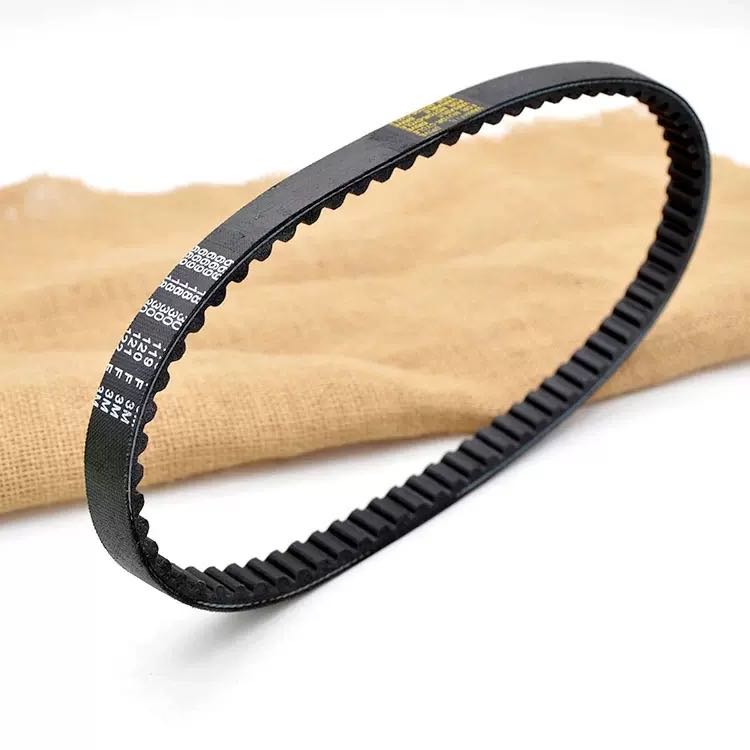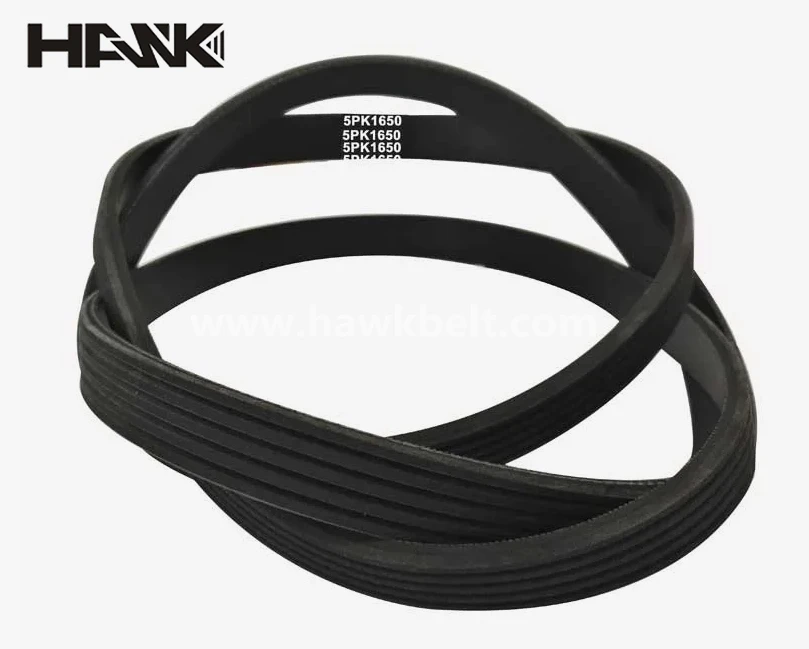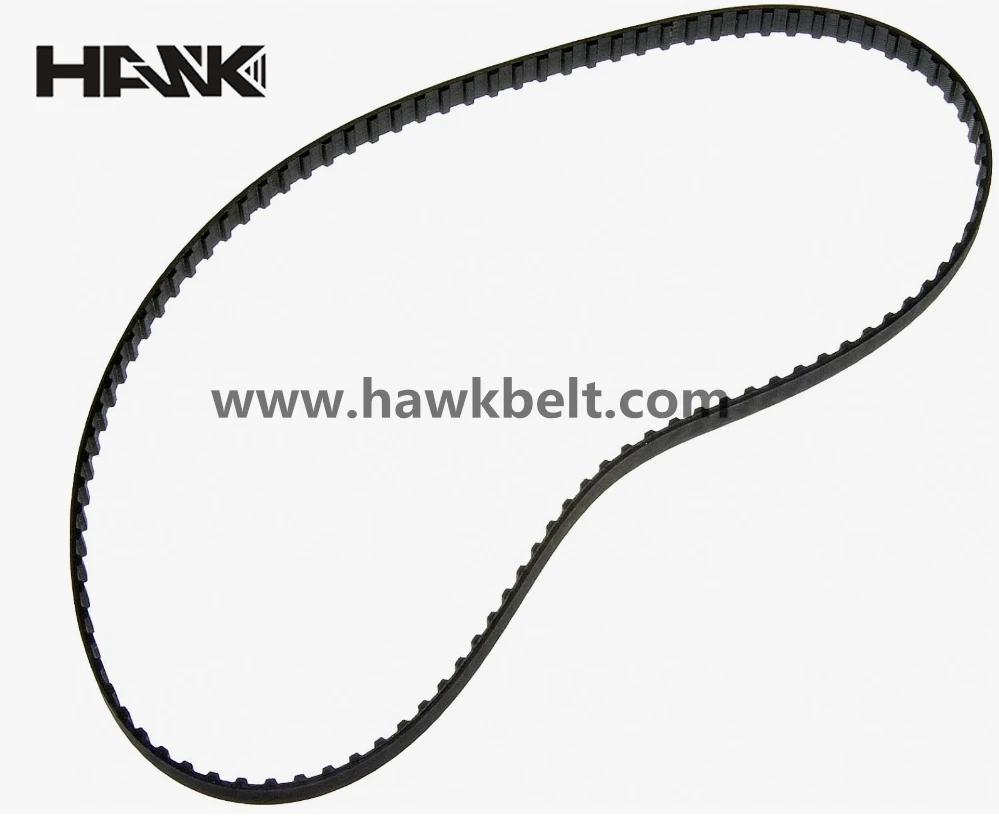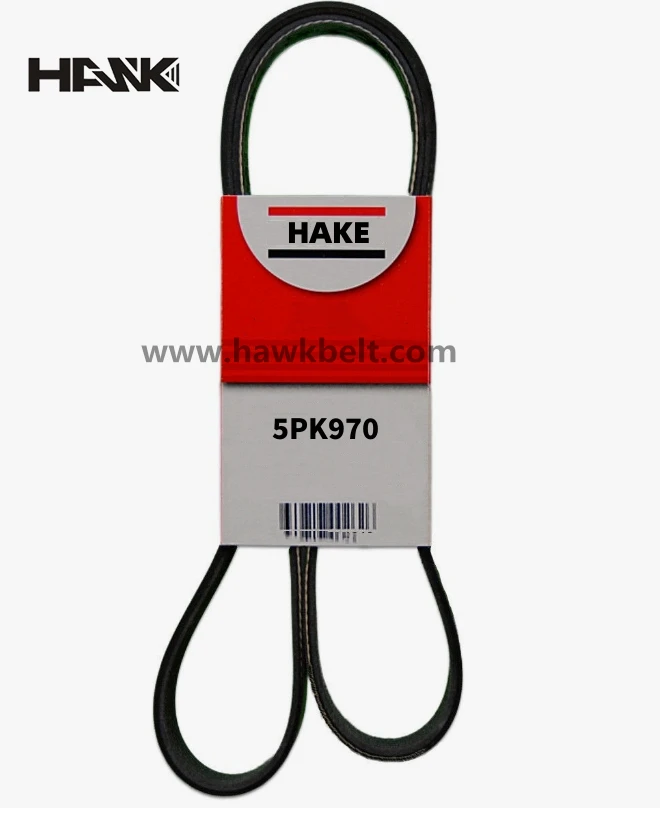

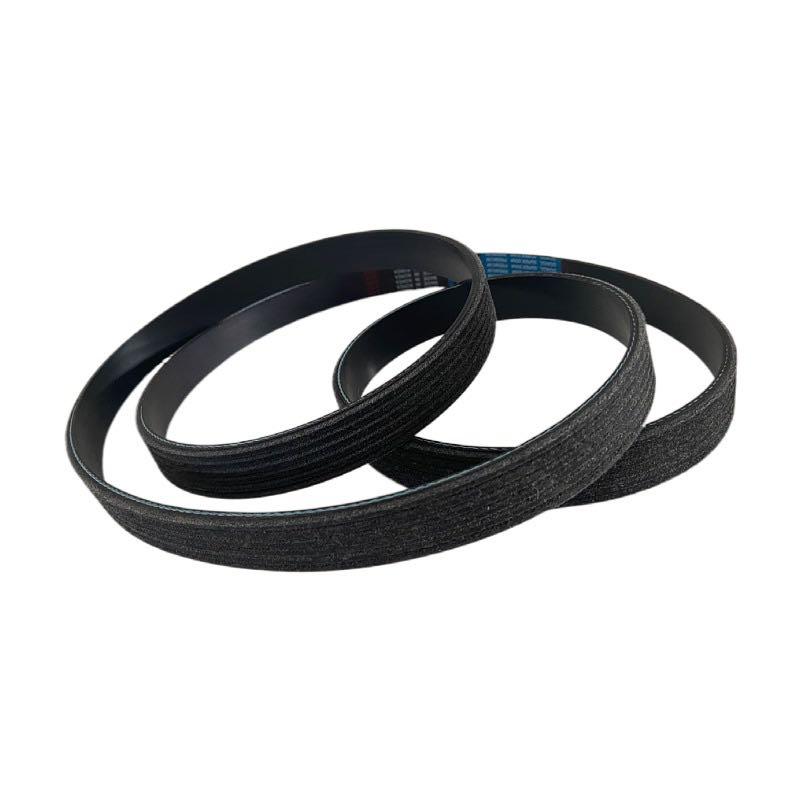
Chile presents a unique challenge for rubber components due to its extreme thermal amplitude. In the northern mining regions, an alternator belt must resist intense UV radiation and high ambient temperatures without cracking, while in the south, the rubber must remain flexible in freezing temperatures to prevent snapping.
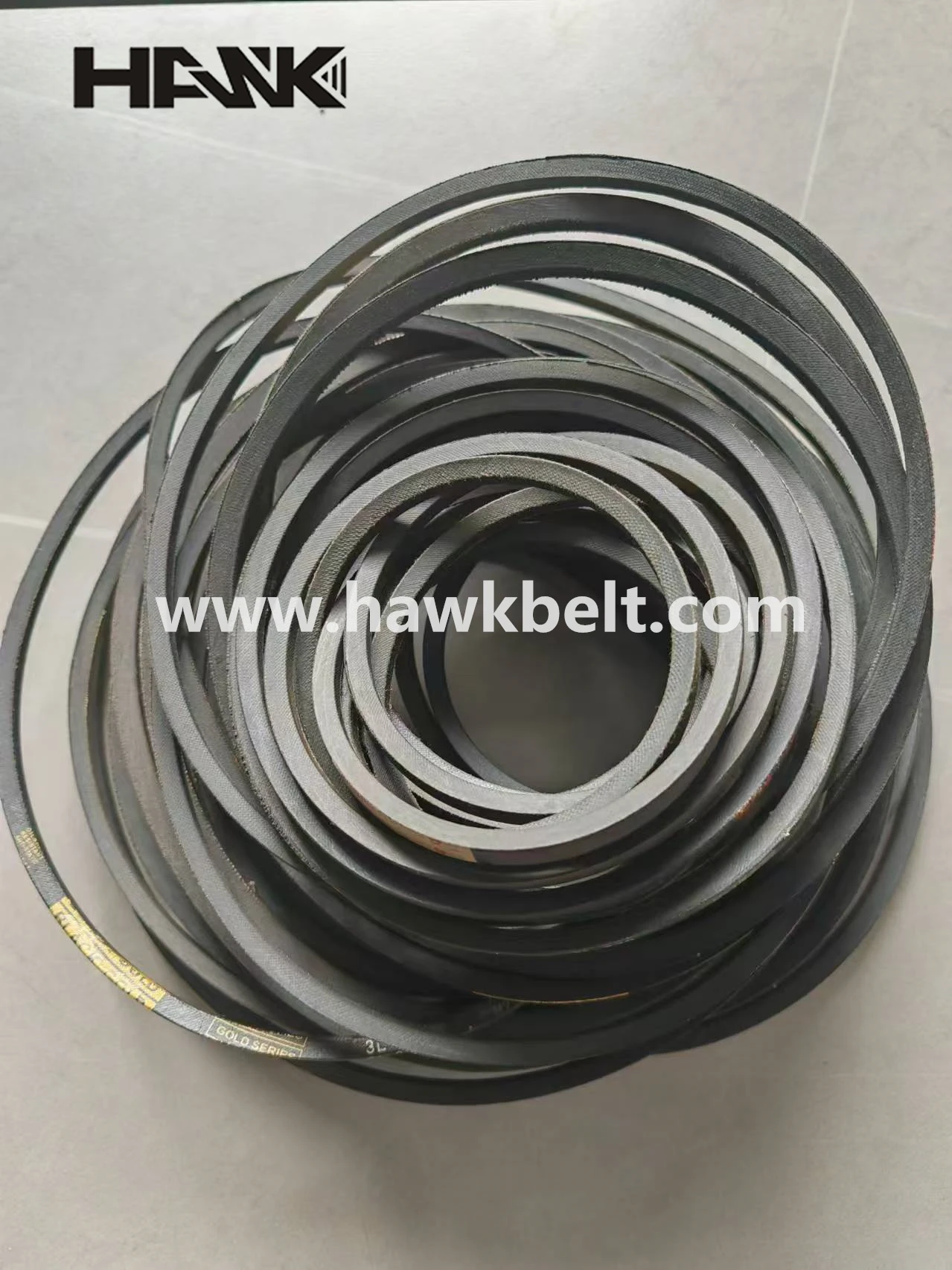
The local market is heavily reliant on the mining and forestry logistics sectors, where heavy-duty vehicles require an auto v belt that can handle high torque and constant load fluctuations. There is a growing demand for belts that offer longer service intervals to reduce the cost of operation in remote areas like the Atacama.
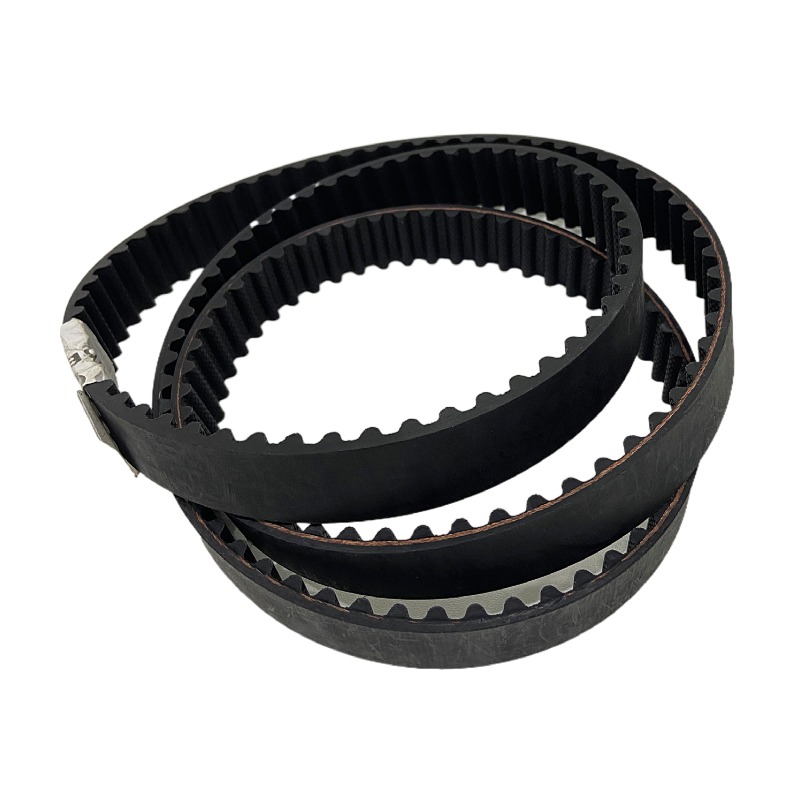
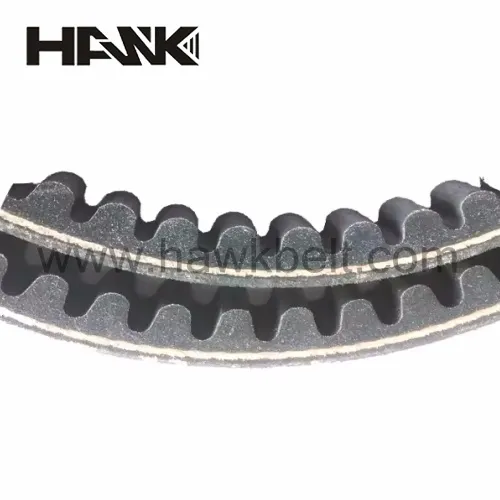
Currently, the industry is shifting from generic rubber parts toward specialized compounds. The integration of high-tensile cords in the auto rubber timing belt has become essential to meet the precision requirements of modern European and Asian vehicle imports dominating the Chilean market.