Mobile Phone
+8615369985502
Call Us
+8615369985502
E-mail
mike@hawkbelt.com

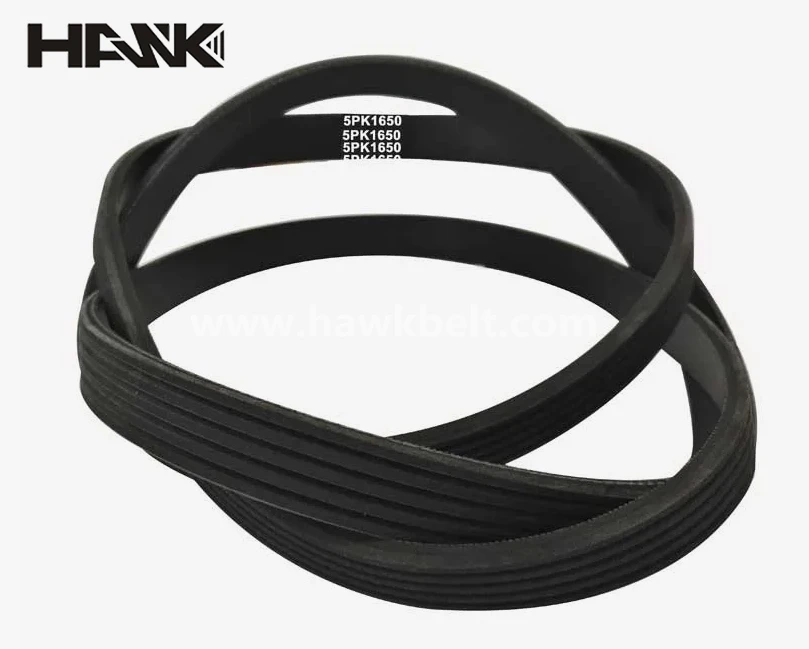
High-Performance pk belt Solutions for Angola's Automotive Sector

Engineering durable rubber transmission components tailored for the challenging climatic conditions of Angola, ensuring maximum vehicle uptime and operational efficiency.

High-Performance pk belt Solutions for Angola's Automotive Sector

Providing the Angolan market with precision-engineered rubber belts designed to withstand extreme tropical heat and heavy-duty mechanical loads across various vehicle platforms.

Rubber Parts Manufacturing Landscape in Angola

Analyzing the demand for high-durability belts in the Southern African region.

In Angola, the automotive rubber parts sector is heavily influenced by the region's tropical climate and diverse terrain. The high humidity and fluctuating temperatures in Luanda and coastal provinces accelerate the degradation of standard rubber, making high-grade auto v belt options essential for preventing premature failure in commercial fleets.

The reliance on heavy-duty transport for oil and gas logistics means that an alternator belt failure can lead to significant economic losses. Local workshops often struggle with low-quality imports that cannot handle the dust and heat, creating a massive demand for EPDM-based rubber components that offer superior thermal stability.

Furthermore, the growth of urban mobility in Angolan cities has seen a surge in two-wheeler transportation. This shift has increased the critical need for a reliable motorcycle belt that can endure constant stop-and-go traffic while resisting the abrasive nature of local road conditions.

Evolution and Trajectory of Rubber Belt Technology

From basic vulcanized rubber to advanced synthetic polymers for the Angolan market.

Market Development History

In the early 2000s, the Angolan market relied primarily on basic neoprene belts. These components suffered from rapid cracking due to UV exposure and high heat, leading to frequent replacements and high maintenance costs for vehicle owners.

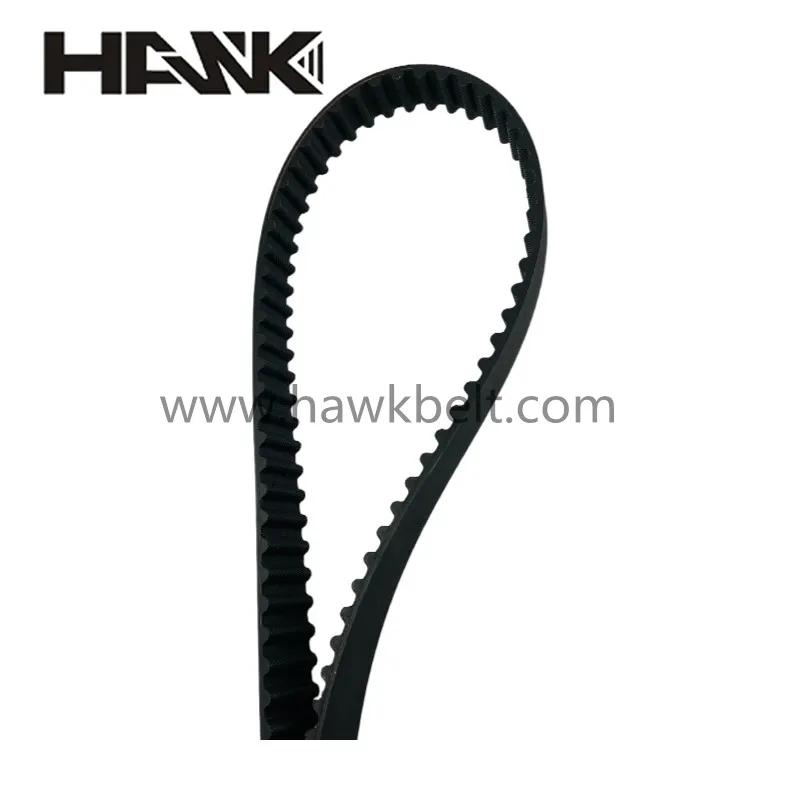
Between 2010 and 2018, there was a significant transition toward EPDM (Ethylene Propylene Diene Monomer) technology. This shift allowed the auto rubber timing belt to achieve better resistance to ozone and heat, significantly extending the service intervals for passenger and commercial vehicles.

Since 2019, the market has evolved toward precision-profiled belts. The adoption of multi-ribbed designs has optimized power transmission and reduced noise, aligning with the modernization of the vehicle fleet imported into Angola.

Future Development Trends

Carbon-Fiber Reinforced Polymers

We predict a shift toward carbon-reinforced rubber to increase tensile strength and reduce stretching in high-torque applications.

Smart Wear Sensors

Integration of embedded wear-indicators to predict failure before it occurs, reducing downtime in remote Angolan mining regions.

Eco-Friendly Synthetic Rubber

A transition toward sustainable and recyclable elastomers to meet emerging environmental regulations within the African trade bloc.

Industry Trends and Future Outlook

Strategic forecasts for the rubber parts industry in Africa.

Thermal Resistance Optimization
Developing compounds specifically for 40°C+ environments common in Angola to prevent belt glazing.
Precision Fit Engineering
Improving rib geometry to reduce slippage in high-load diesel engines used in Angolan agriculture.
Supply Chain Localization
Reducing lead times by establishing strategic distribution hubs within Luanda and Benguela.
Hybrid Engine Compatibility
Developing belts compatible with new hybrid and electric-assist vehicles entering the African market.

Industry Outlook

The future of the rubber parts industry in Angola is moving toward "Extreme Environment Engineering." As the country expands its infrastructure, the demand for belts that can withstand abrasive dust and high heat will drive innovation in polymer science.

Google search trends indicate a rising interest in "long-life automotive parts" within the region, suggesting that consumers are prioritizing durability over low initial cost, favoring high-quality rubber manufacturing standards.

Localized Applications in Angola

Real-world scenarios where our rubber parts excel in the Angolan environment.

1. Luanda Urban Commuter Logistics

Heavy stop-and-go traffic in Luanda causes extreme heat buildup in engine bays. Our belts utilize specialized heat-dissipation compounds to prevent stretching and slipping.

2. Benguela Coastal Transport

High salt-mist environments accelerate the corrosion of pulleys and the degradation of rubber. Our corrosion-resistant belts ensure longevity in coastal logistics.

3. Huambo Agricultural Machinery

Farming equipment in the central highlands operates in dusty, abrasive conditions. Our reinforced rib designs prevent premature wear from particulate ingress.

4. Cabinda Oil Field Support Vehicles

Off-road support vehicles require maximum reliability. Our high-tensile rubber compounds prevent snapping during high-torque maneuvers in muddy terrains.

5. Regional Motorcycle Delivery Services

The booming courier sector relies on small-displacement engines. Our precision-cut belts ensure smooth power delivery and reduced fuel consumption for urban riders.

Brand Story

Global Development History of Xingtai Hawk Rubber and Plastic Products Co., Ltd.

Foundational Engineering

Established with a focus on precision rubber molding, we began by solving the basic durability issues of industrial transmission belts.

Material Innovation

We pioneered the use of high-grade EPDM in our production lines to combat the thermal challenges of global markets.

Global Market Expansion

Expanding into Africa, we tailored our product specifications to match the rigorous demands of the Angolan automotive sector.

Quality Standardization

Achieving international certifications, ensuring every belt produced meets global safety and performance benchmarks.

Sustainable Future

Investing in green chemistry to create rubber parts that are as environmentally friendly as they are durable.

Common Questions for the Angolan Market

Expert answers to local technical challenges.

How does high heat in Luanda affect my alternator belt lifespan?

Extreme heat causes rubber to harden and crack. Our belts use heat-stabilized EPDM to maintain flexibility and grip even in the peak of the Angolan summer.

What is the best auto v belt for heavy-duty trucks in Benguela?

For heavy loads, we recommend reinforced multi-ribbed belts that offer higher tensile strength and resistance to slippage under maximum torque.

When should I replace my auto rubber timing belt in an Angolan climate?

Due to higher ambient temperatures, we suggest inspecting timing belts every 40,000km, as heat can accelerate the degradation of the internal tension cords.

Are these motorcycle belts compatible with common Asian-brand bikes in Angola?

Yes, our belts are engineered to meet or exceed OEM specifications for the most popular motorcycle brands operating in the African region.

What causes my pk belt to squeal during the rainy season?

Squealing is often caused by moisture reducing friction. Our belts feature an optimized rib profile to expel water quickly and maintain constant tension.

Do you provide bulk rubber parts for fleet operators in Angola?

Yes, we offer scalable manufacturing and wholesale supply chains specifically designed to support large-scale transport fleets across Angola.

Get Professional Rubber Part Consulting

Partner with the leading manufacturer for high-durability automotive belts in Angola.

Contact Us Now

If you are interested in our products, you can choose to leave your information here, and we will be in touch with you shortly.