Mobile Phone
+8615369985502
Call Us
+8615369985502
E-mail
mike@hawkbelt.com

High-Performance pk belt Solutions for Afghanistan's Automotive Sector

Engineering durable rubber transmission systems designed to withstand extreme temperature fluctuations and harsh terrains in the Afghan landscape.

High-Performance pk belt Solutions for Afghanistan's Automotive Sector

Providing industrial-grade rubber parts including the alternator belt and timing systems to ensure vehicle reliability across the Hindu Kush and urban centers.

Current State of Rubber Parts Market in Afghanistan

Analyzing the challenges of automotive maintenance in high-dust and extreme climate regions.

The automotive landscape in Afghanistan is characterized by a mix of older fleet vehicles and modern imports. Due to the rugged geography and significant dust levels, the wear and tear on an auto v belt is accelerated, requiring more frequent replacements compared to temperate climates.

Extreme temperature swings—from scorching summers in the lowlands to freezing winters in the highlands—place immense thermal stress on rubber compounds. This creates a critical demand for an auto rubber timing belt that possesses superior elasticity and heat resistance to prevent engine failure during transit.

Currently, the market relies heavily on imported components. There is a growing shift toward high-durability parts, as local operators prioritize long-term reliability over low-cost, short-life alternatives to minimize downtime in remote provinces.

Evolution and Trajectory of Rubber Component Technology

From basic rubber cords to advanced synthetic polymer composites.

Market Development History

Historically, the Afghan market utilized standard neoprene belts which suffered from rapid cracking under UV exposure and extreme heat. In the early 2000s, the introduction of basic EPDM (Ethylene Propylene Diene Monomer) compounds began to replace traditional rubber for the motorcycle belt, offering better resistance to ozone and weathering.

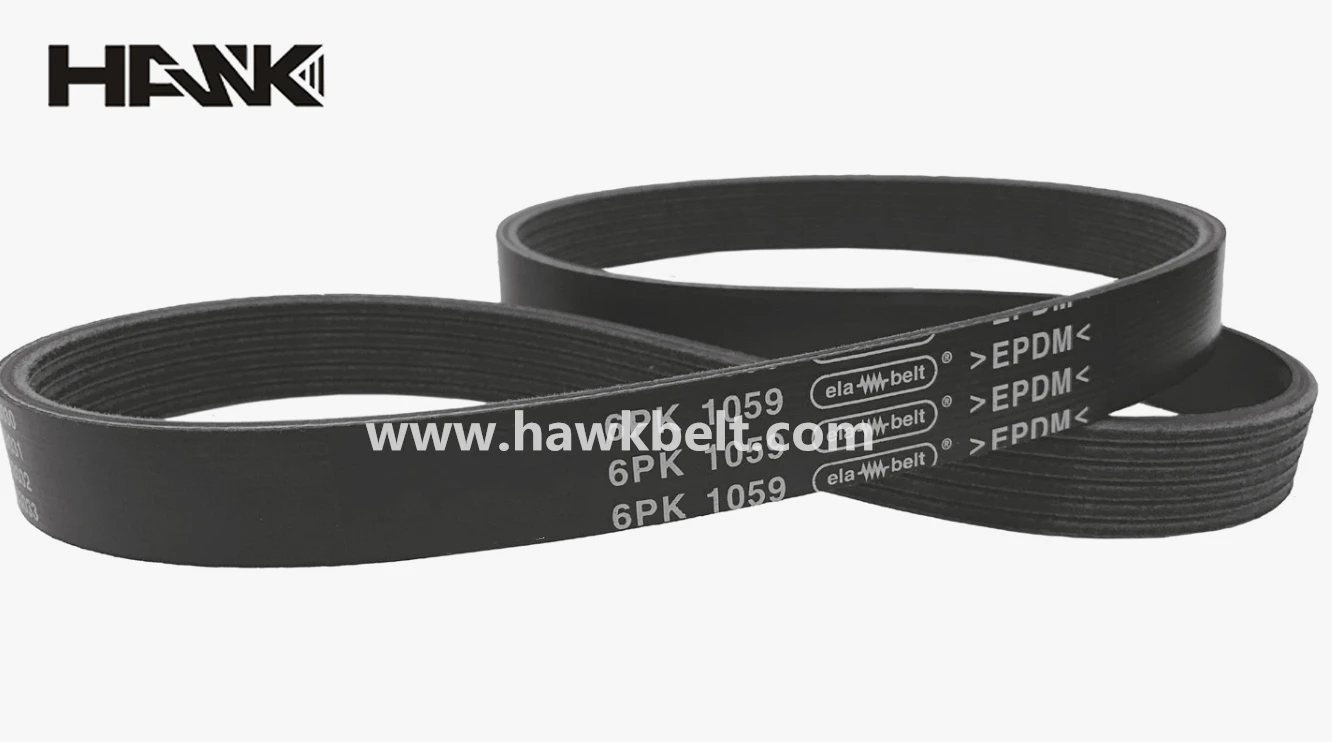
Between 2010 and 2020, the shift toward multi-ribbed designs became evident. The adoption of the PK profile allowed for higher power transmission in smaller spaces, reducing slippage in heavy-duty trucks and commercial vans operating in urban Kabul.

Today, the industry has transitioned toward high-tensile fiberglass and Kevlar-reinforced cores. This evolution ensures that timing components maintain precise synchronization even under the heavy loads typical of mountainous terrain driving.

Future Development Trends

Climate-Adaptive Polymerization

Future belts will integrate smart polymers that adjust their flexibility based on ambient temperature, ensuring the belt doesn't harden in winter or soften excessively in summer.

Low-Friction Nano-Coatings

Integration of nano-scale lubricants within the rubber matrix to reduce internal heat generation and increase the lifespan of high-speed drive belts.

Sustainable Recycled Elastomers

A transition toward eco-friendly rubber manufacturing to meet global ESG standards while maintaining the industrial strength required for heavy-duty applications.

Industry Trends and Future Outlook

Strategic directions for rubber part manufacturing in the Asian market.

Thermal Stability Enhancement
Developing compounds that maintain tensile strength between -40°C and +120°C for high-altitude Afghan regions.
Dust-Resistance Geometry
Optimizing rib geometry to prevent particulate buildup, reducing friction and premature belt wear.
Precision Fit Engineering
Implementing tighter tolerances in manufacturing to eliminate slip-related energy loss in older engine models.
Supply Chain Digitalization
Integrating digital tracking to ensure rapid delivery of critical belts to remote Afghan workshops.

Industry Outlook

Based on search trends and industrial growth in Central Asia, we predict a 15% increase in demand for high-spec synthetic belts. As Afghanistan modernizes its logistics fleet, the transition from basic auto v belt systems to complex multi-ribbed systems will accelerate.

The long-term outlook suggests a convergence of durability and sustainability, where rubber parts are engineered not just for strength, but for a reduced environmental footprint during the vulcanization process.

Localized Application Scenarios in Afghanistan

Real-world deployment of rubber parts in challenging environments.

1. Mountainous Terrain Logistics

Heavy-duty trucks transporting goods between Kabul and Herat rely on reinforced belts to handle the constant torque changes on steep inclines, preventing slippage under load.

2. Urban Delivery Motorcycles

The dense traffic of Kabul demands a high-cycle motorcycle belt that can withstand frequent stop-and-go acceleration and high heat exposure.

3. Agricultural Machinery in Rural Valleys

Water pumps and tractors in rural provinces utilize heavy-duty V-belts that are resistant to oil and moisture, ensuring consistent power delivery for irrigation.

4. Commercial Passenger Vans

Inter-city shuttle vans require an ultra-reliable alternator belt to ensure the electrical system remains functional during long journeys across remote areas.

5. Industrial Generator Sets

Given the power instability, diesel generators are common; these require high-tension belts to drive cooling fans and alternators continuously without failure.

Brand Story

Global Development History of Xingtai Hawk Rubber Plastic Products Co., Ltd.

Foundational Engineering

Started with a focus on basic rubber molding, we identified a gap in the market for industrial belts that could survive extreme environmental stress.

Material Innovation

We invested in EPDM and Hydrogenated Nitrile (HNBR) research to solve the common pain point of premature rubber cracking in arid climates.

Global Expansion

Expanding our reach to Central Asia, we tailored our product line to meet the specific demands of the Afghan and regional automotive markets.

Quality Standardization

Achieved international certifications to ensure every belt produced meets global safety and durability standards for automotive use.

Future Vision

Our mission is to eliminate vehicle downtime globally by providing the most resilient rubber transmission solutions ever engineered.

Frequently Asked Questions - Afghanistan Market

Technical guidance and support for rubber part selection.

How often should I replace an alternator belt in dusty conditions?

In regions like Afghanistan, we recommend a thorough inspection every 10,000km and replacement if glazing or cracking is visible, as dust acts as an abrasive.

What is the best material for an auto rubber timing belt in extreme cold?

HNBR (Hydrogenated Nitrile Butadiene Rubber) is ideal as it maintains flexibility and prevents brittleness in freezing mountain temperatures.

Can a motorcycle belt be used in heavy-load delivery services?

Yes, provided it is a high-tensile reinforced belt designed for commercial use, which prevents stretching under continuous heavy loads.

What are the signs that an auto v belt is failing?

Common signs include high-pitched squealing during startup, visible fraying on the edges, or slips during acceleration.

Does the PK belt profile offer better efficiency than V-belts?

Yes, the multi-ribbed PK profile provides a larger surface area for grip, reducing slippage and improving the efficiency of the alternator and AC compressor.

How to prevent premature wear of rubber belts in arid climates?

Regularly cleaning debris from the pulleys and ensuring proper belt tension are the most effective ways to extend the lifespan in dry, sandy environments.

Request Technical Consultation

Our engineering team is ready to provide custom rubber part specifications tailored for the unique requirements of Afghanistan.

Contact Us Now

If you are interested in our products, you can choose to leave your information here, and we will be in touch with you shortly.