Mobile Phone
+8615369985502
Call Us
+8615369985502
E-mail
mike@hawkbelt.com

High-Performance auto v belt Solutions for Ethiopia

Engineering durable rubber transmission components to withstand the demanding terrains and climatic conditions of the Ethiopian automotive market.

The State of Rubber Parts Manufacturing in Ethiopia

Analyzing the impact of environmental extremes on automotive belt longevity.

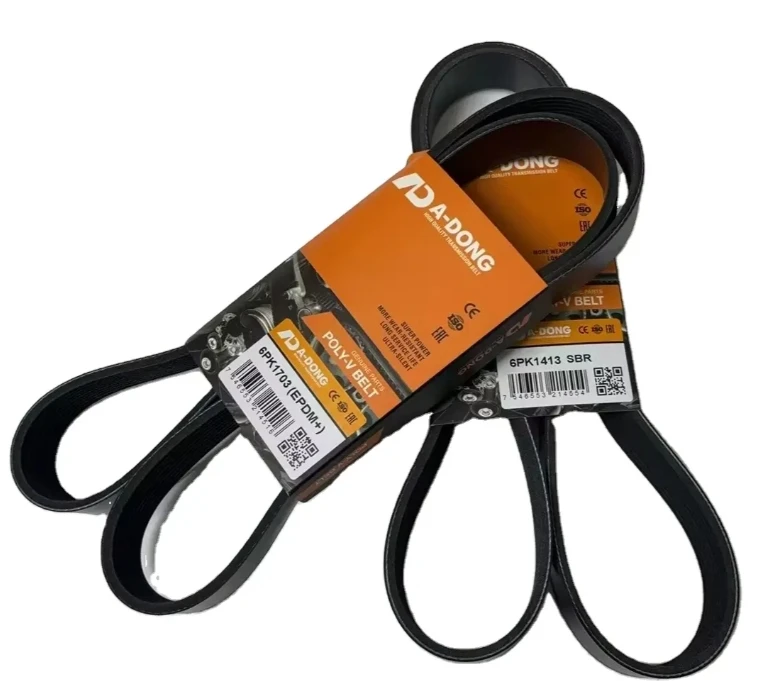
Ethiopia's unique geography, characterized by high altitude and significant temperature fluctuations, places immense stress on rubber components. The prevalence of dusty roads and extreme heat in the lowlands accelerates the degradation of the alternator belt, leading to frequent premature failures in commercial transport fleets.

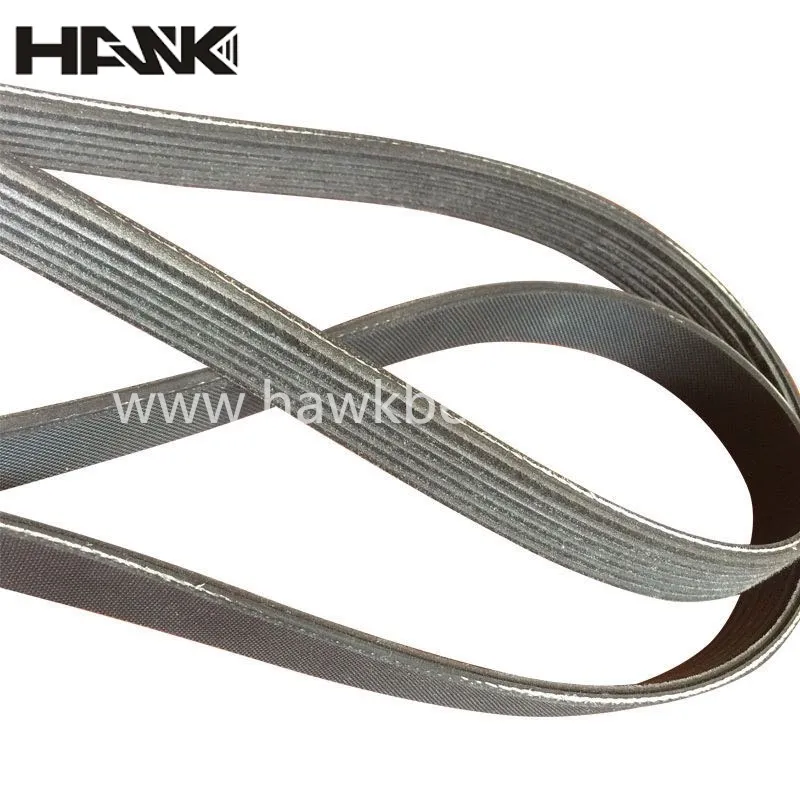
Currently, the market relies heavily on imported rubber parts. There is a growing demand for a high-quality pk belt that can maintain tension stability despite the rough road conditions found in regions like Amhara and Oromia, where vehicle vibration is constant.

The rapid growth of urban logistics in Addis Ababa has increased the reliance on two-wheelers, creating a surge in demand for a durable motorcycle belt capable of handling stop-and-go traffic without slipping or overheating.
Evolution and Technical Trajectory of Rubber Belts

From basic rubber compounds to advanced synthetic polymers.

Market Development History

In the early 2000s, the Ethiopian market primarily used basic neoprene belts which suffered from rapid ozone cracking and thermal instability under the African sun.

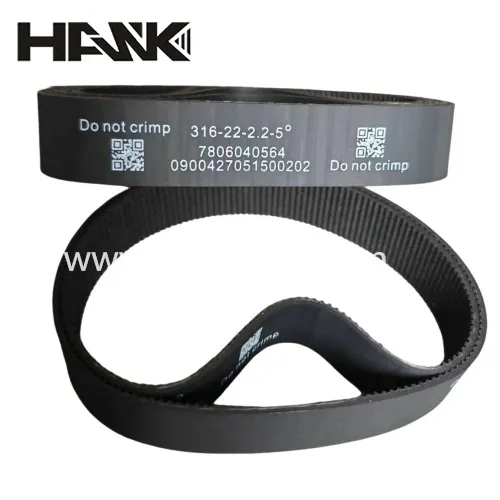
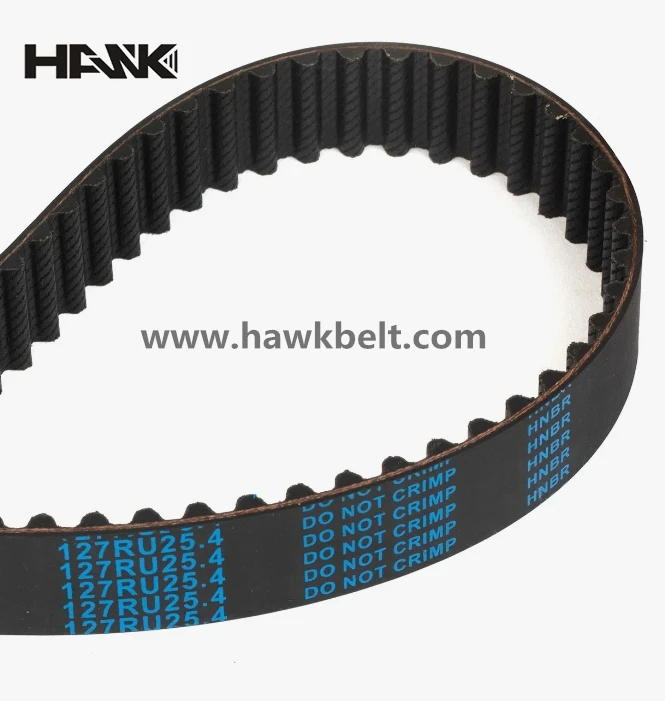
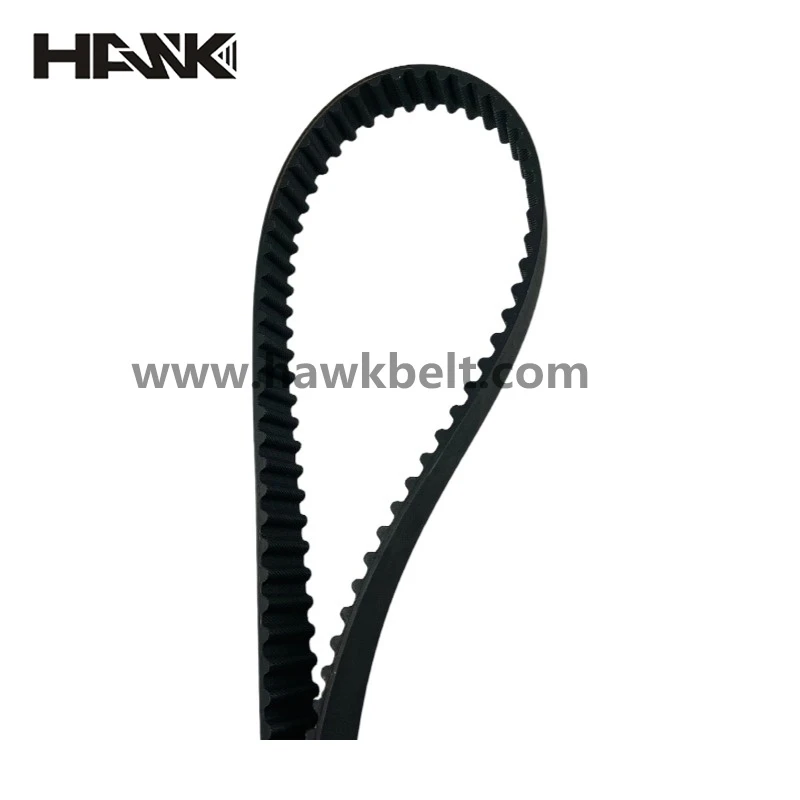
Between 2010 and 2020, there was a transition toward EPDM (Ethylene Propylene Diene Monomer) materials. This shift allowed the auto rubber timing belt to offer significantly better heat resistance and a longer service life.

By 2023, the integration of high-tensile polyester cords and advanced coatings became the standard, reducing stretch and improving the efficiency of power transmission in heavy-duty trucks.

Future Development Trends

Eco-Friendly Rubber Compounds

Shift toward biodegradable and recyclable polymers to align with Ethiopia's green economy initiatives and global sustainability standards.

Smart Wear Monitoring

Integration of sensor-compatible materials that allow fleet managers to predict the failure of a belt before it occurs.

Enhanced Heat Dissipation

Developing new rib profiles for the poly-v belt to maximize cooling and reduce friction in extreme tropical climates.

Industry Trends and Future Outlook

Strategic projections for the rubber parts sector in the Horn of Africa.

Climate-Resistant Materials
Developing polymers specifically for high UV exposure and extreme temperature swings common in Ethiopia.
Precision Engineering
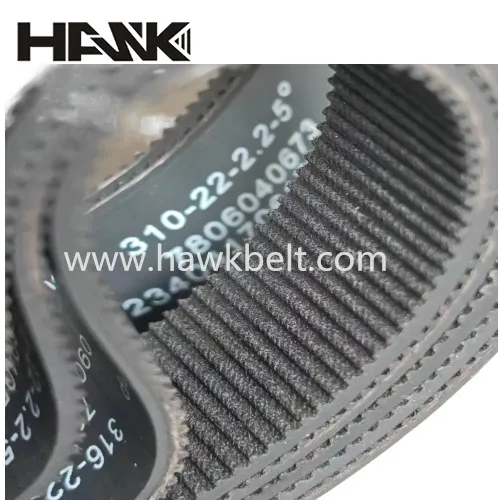
Moving toward micron-level precision in belt ribbing to reduce noise and increase fuel efficiency.
Supply Chain Localized
Establishing local distribution hubs to reduce lead times for critical automotive rubber components.
EV Component Transition
Adapting rubber manufacturing for electric vehicle cooling pumps and specialized accessory drives.

Industry Outlook

Based on Google search trends in East Africa, there is a significant rise in queries regarding "long-life automotive belts" and "heavy-duty rubber parts," suggesting a shift in consumer preference toward quality over price.

Over the next 3-5 years, the Ethiopian rubber parts market will likely move toward standardized, high-performance specifications that can serve both the aging internal combustion fleet and the emerging electric mobility sector.

Localized Application Scenarios in Ethiopia

Real-world implementation of rubber parts across diverse Ethiopian sectors.

1. Highland Transport Logistics

In the rugged terrains of the Simien Mountains, transport trucks require reinforced belts that can handle high torque at low speeds without slipping.

2. Addis Ababa Urban Commute

The massive fleet of motorcycles and Bajajs utilizes a specific motorcycle belt designed for extreme heat and frequent acceleration.

3. Agricultural Machinery in Oromia

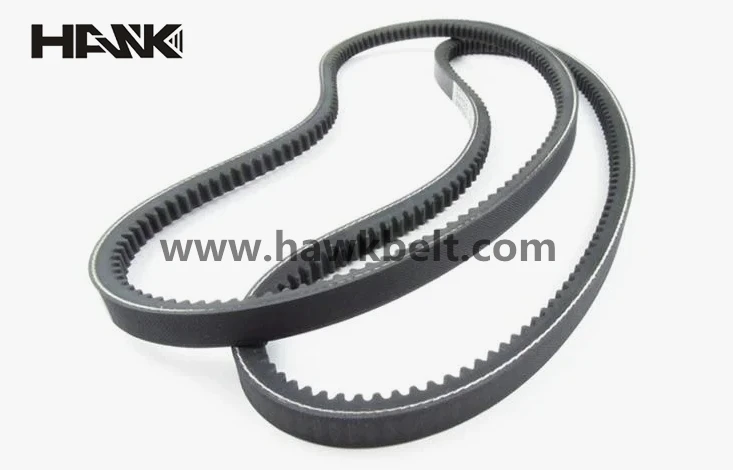
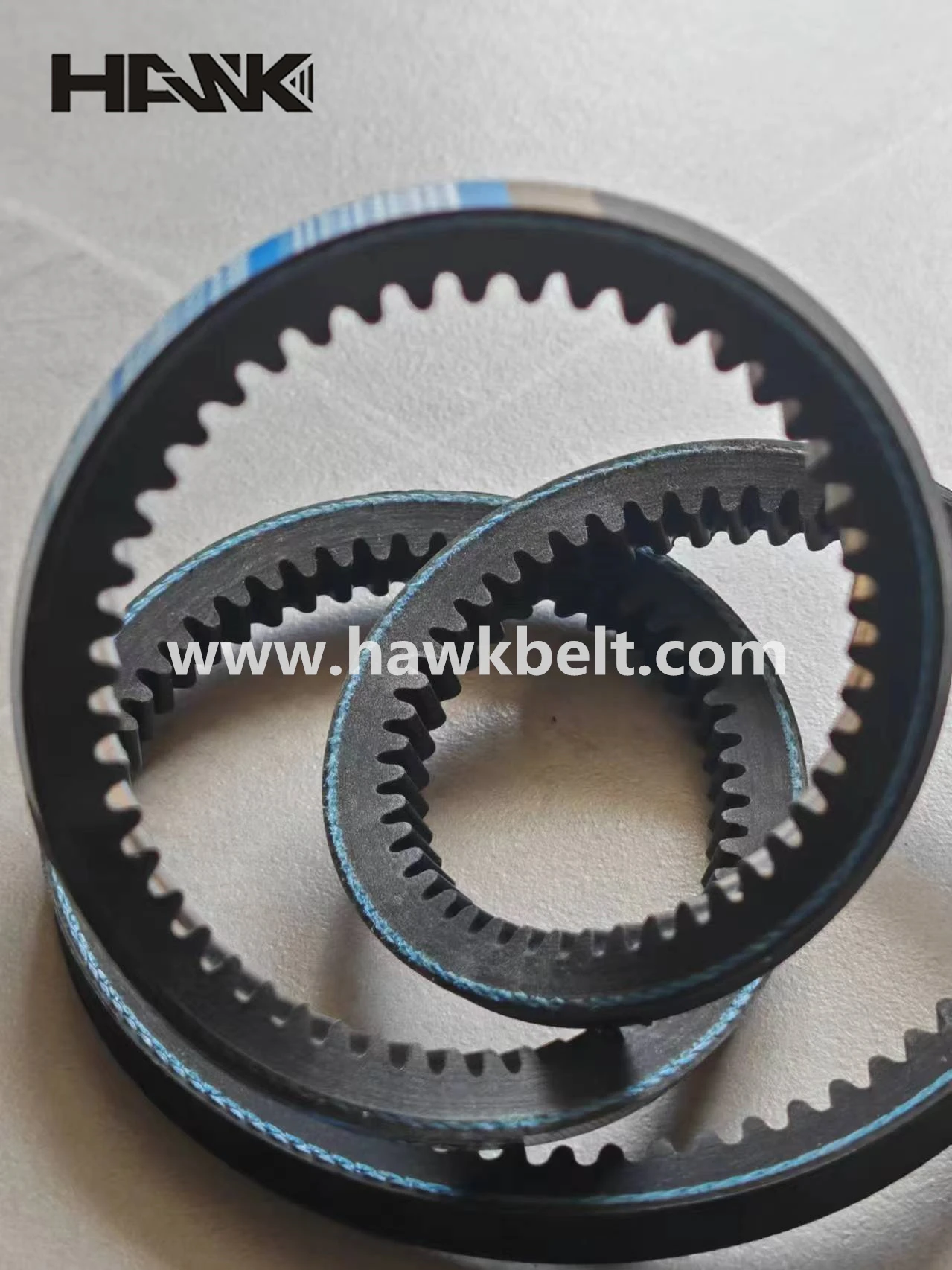
Tractors and harvesters operating in dusty agricultural fields rely on V-belts with superior dust-repelling coatings to prevent premature wear.

4. Industrial Generators in Manufacturing Zones

Industrial zones in Ethiopia utilize large-scale rubber belts to power backup generators, requiring maximum stability under 24/7 operation.

5. Public Transit (Anbessa Bus) Maintenance

Heavy-duty passenger buses utilize precision pk belt systems to manage multiple engine accessories efficiently.

Brand Story

Global Development Journey of Xingtai Hawk Rubber and Plastic Products Co., Ltd.

Founding Excellence

Established with a focus on precision rubber molding, solving the initial pain point of low-durability industrial belts.

Material Innovation

Developed advanced EPDM formulations to address the critical issue of thermal degradation in automotive belts.

Global Market Expansion

Extended our footprint into the African market, tailoring products for extreme environmental conditions.

Certification & Standards

Achieved international quality certifications, ensuring every belt meets global safety and performance benchmarks.

Future Vision

Committed to leading the transition toward sustainable, high-efficiency rubber transmission solutions worldwide.

Common Questions for Rubber Parts in Ethiopia

Expert answers to the most frequent technical concerns from our local partners.

Why does my alternator belt wear out faster in Ethiopia?

The combination of high UV radiation and extreme dust creates an abrasive environment that accelerates rubber oxidation and physical wear.

How to choose the right auto v belt for heavy-duty trucks?

Look for belts made from high-grade EPDM with reinforced cordage to ensure they can handle the high torque required for mountainous terrain.

What is the lifespan of an auto rubber timing belt in hot climates?

While standard belts last longer in cool areas, in hot climates, we recommend inspection every 40,000km to prevent sudden snapping.

Can a motorcycle belt be replaced by a generic rubber strap?

No, generic straps lack the tensile strength and heat resistance necessary for engine performance and safety.

How to prevent slippage in a pk belt system?

Ensure the pulleys are aligned and use a high-precision ribbed belt that matches the OEM specifications for your vehicle.

What are the signs that a rubber belt needs immediate replacement?

Look for visible cracks, fraying edges, a high-pitched squealing sound during startup, or glazing on the belt surface.

Get Expert Rubber Solutions Today

Partner with the leading manufacturer for durable automotive rubber parts tailored for Ethiopia.

Contact Us Now

If you are interested in our products, you can choose to leave your information here, and we will be in touch with you shortly.