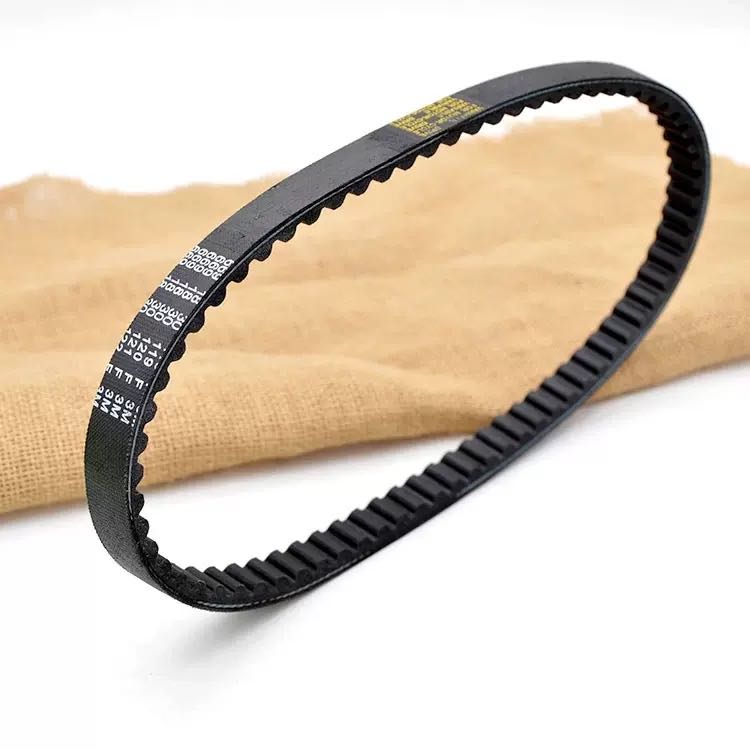
The automotive sector in Yemen faces unique challenges due to extreme temperature fluctuations and high concentrations of airborne silica. Standard auto v belt products often suffer from accelerated thermal degradation and cracking, leading to frequent unscheduled maintenance for logistics and passenger vehicles.
Current market demand is shifting from generic imports to high-specification rubber parts. The reliance on durable pk belt systems has increased as modern fuel-efficient engines become more common in urban centers like Sana'a and Aden, requiring tighter tolerances and better heat dissipation.
Local workshops are increasingly prioritizing EPDM-based materials over traditional neoprene. This transition is critical for ensuring that an alternator belt can withstand the continuous stress of high-load air conditioning systems necessary for survival in the Yemeni heat.