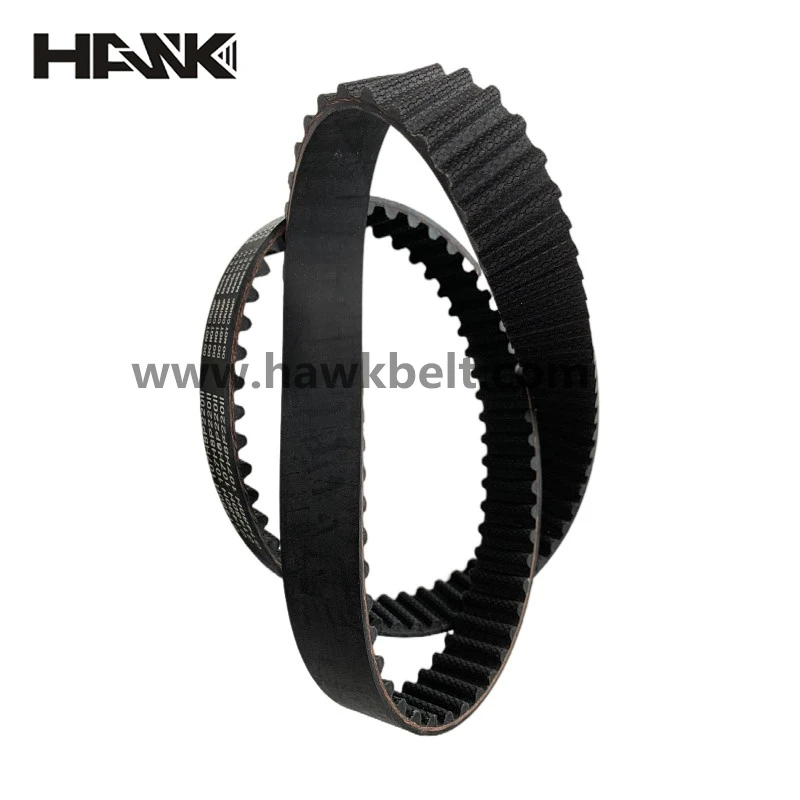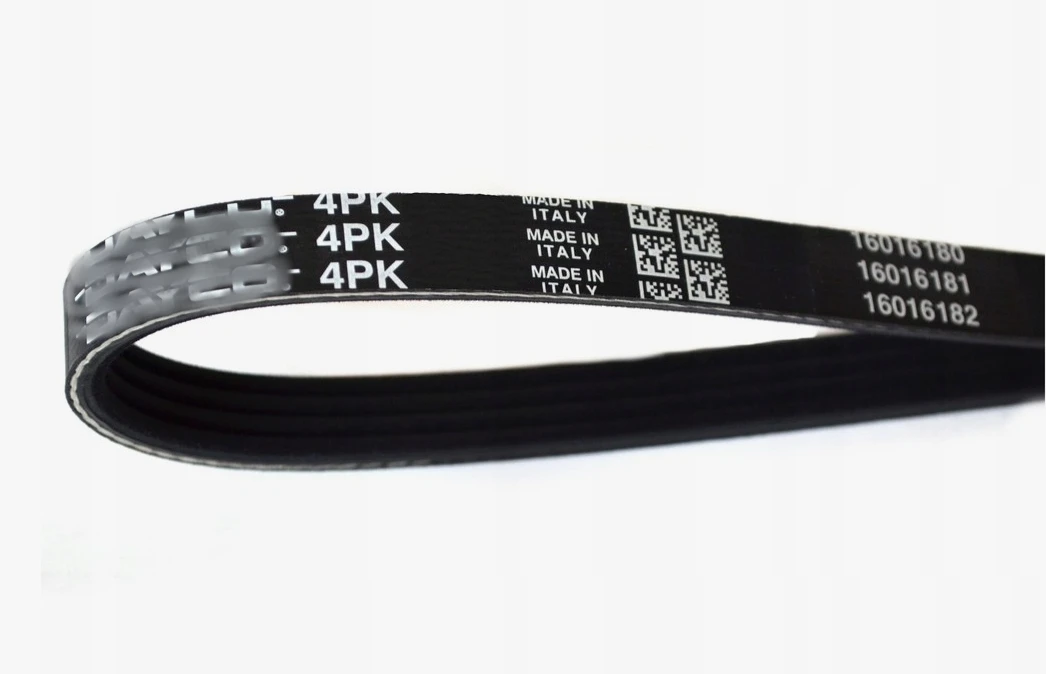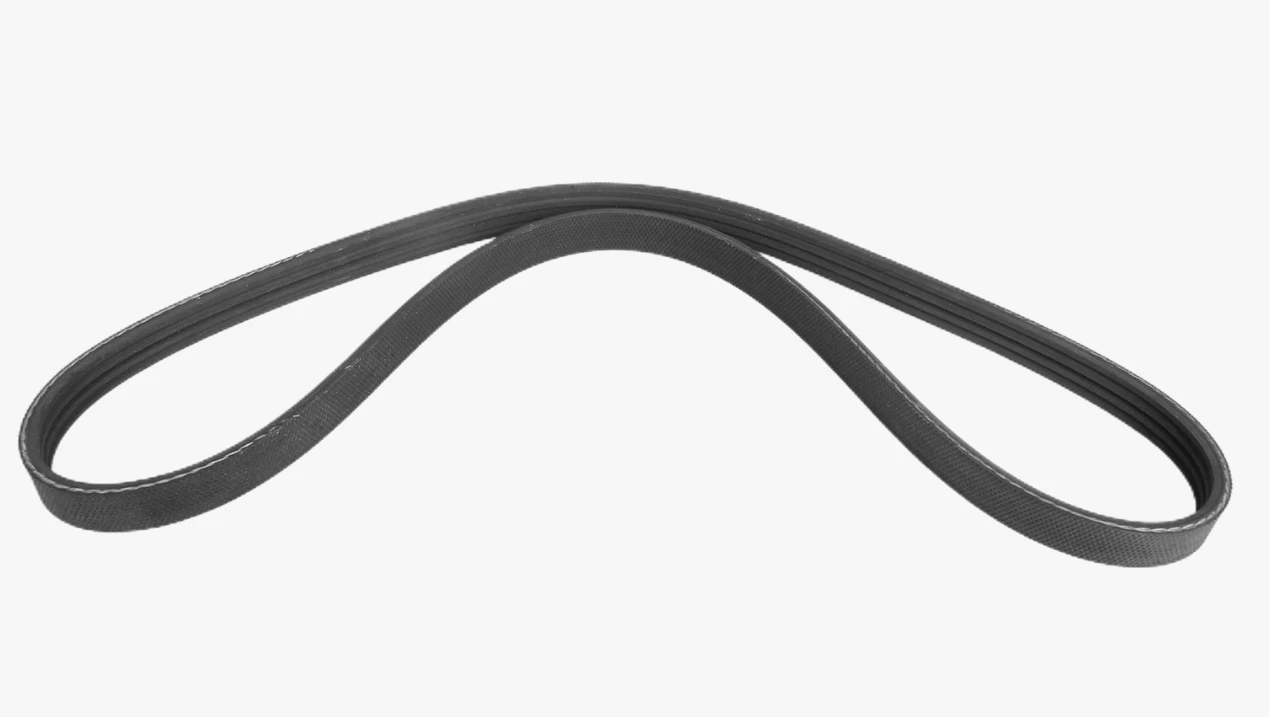
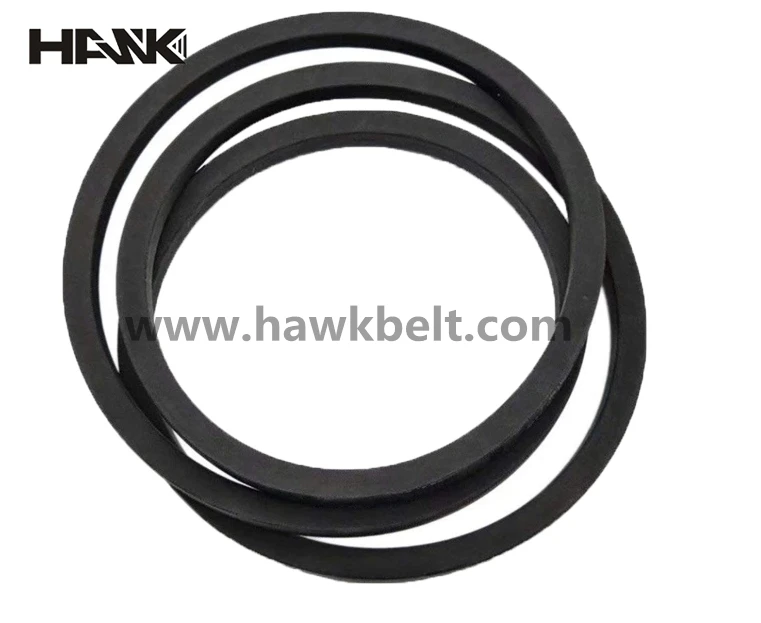
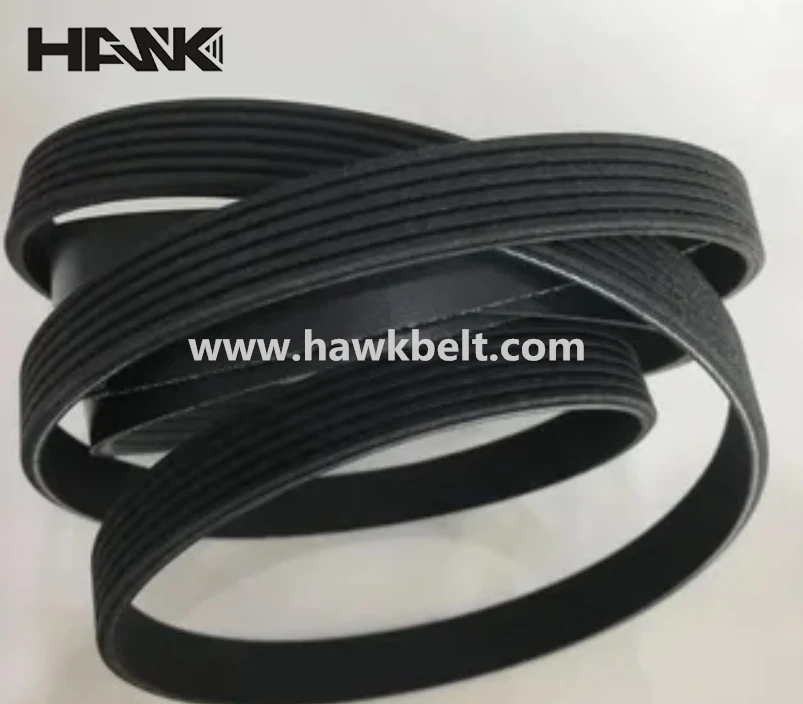
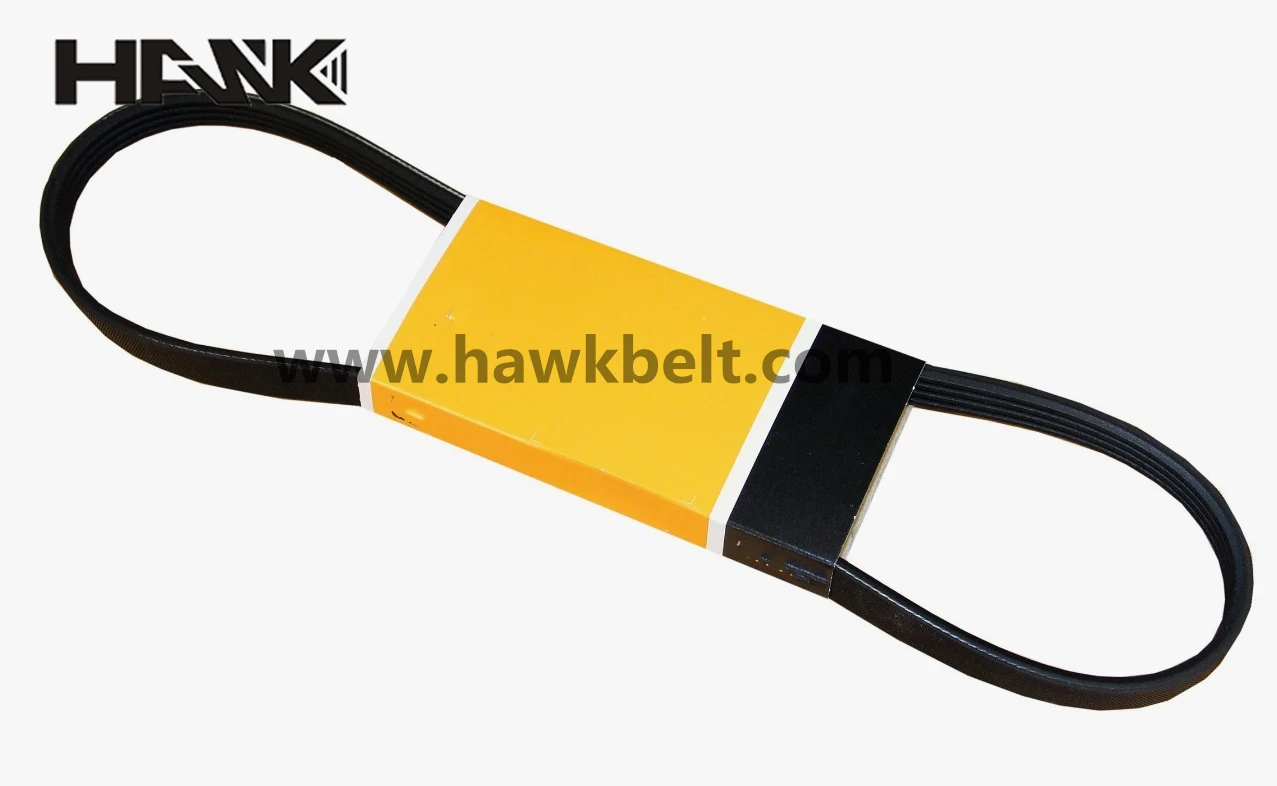
Equatorial Guinea's unique geography, characterized by high humidity and extreme rainfall, creates a hostile environment for standard rubber products. The accelerated oxidation process often leads to premature cracking in a standard alternator belt, causing frequent vehicle downtime in cities like Malabo and Bata.
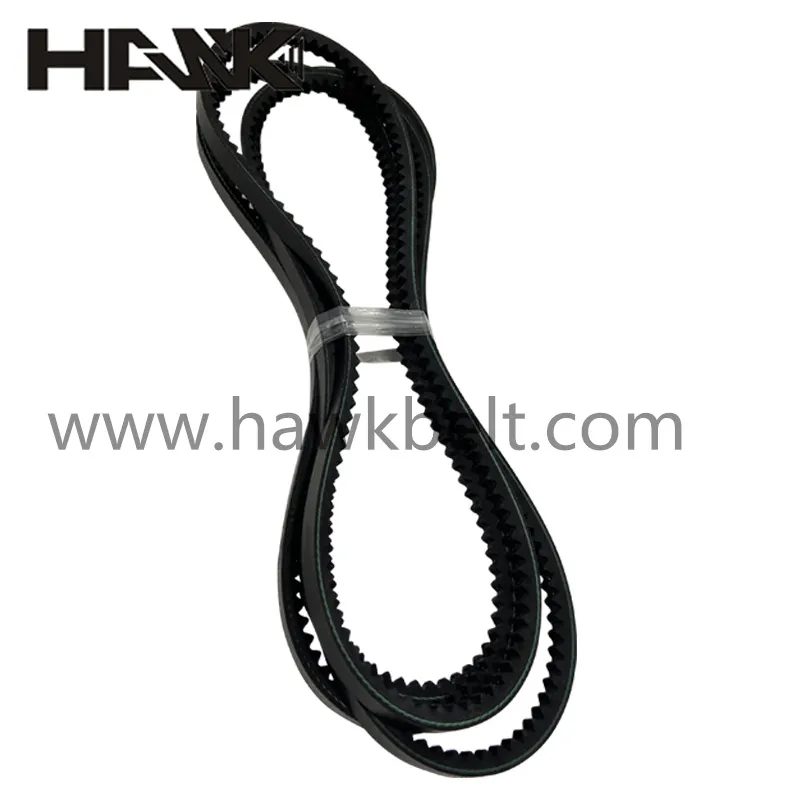
The local market relies heavily on imported automotive parts, where there is a growing demand for high-heat resistant materials. Many transport operators are shifting away from generic belts toward specialized auto v belt options that can maintain tension despite the constant temperature fluctuations of the Gulf of Guinea region.
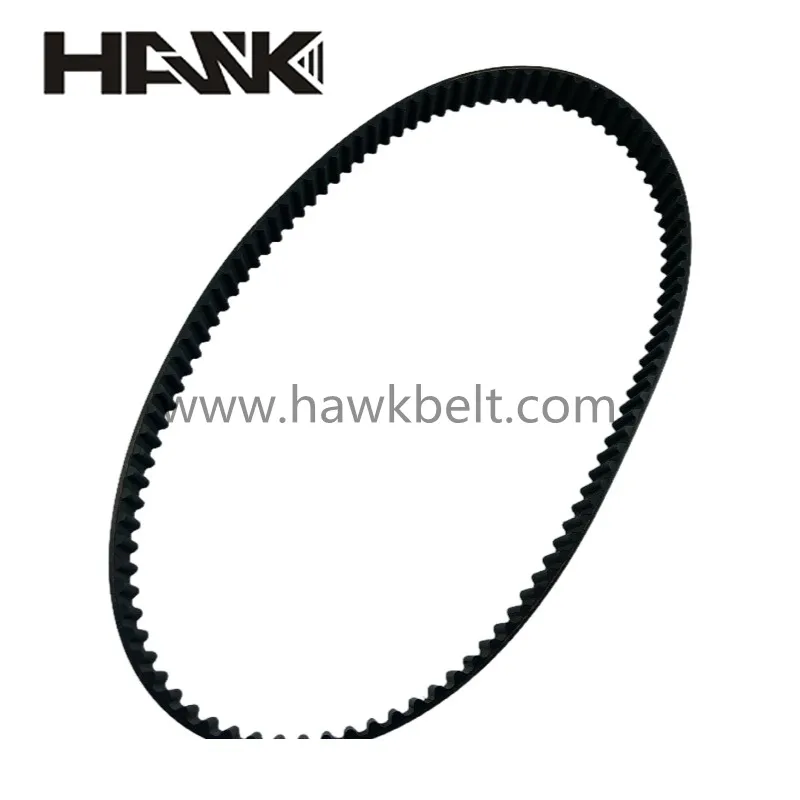
Currently, the logistics sector in Equatorial Guinea is upgrading its fleet to handle heavier loads for oil and gas transport, which puts immense pressure on engine timing systems. This shift has increased the critical need for premium-grade rubber compounds that prevent slippage and ensure engine safety under heavy load.