Mobile Phone
+8615369985502
Call Us
+8615369985502
E-mail
mike@hawkbelt.com

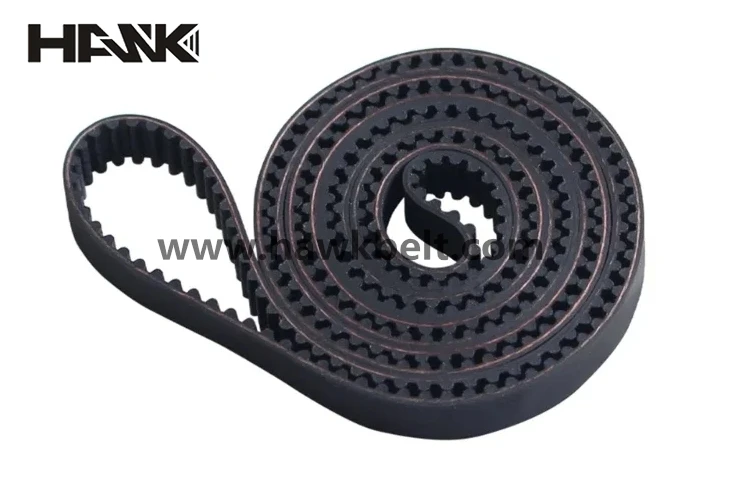
High-Performance auto rubber timing belt Solutions for Canada

Engineering precision rubber components designed to withstand extreme Canadian climates and demanding automotive cycles.

High-Performance auto rubber timing belt Solutions for Canada

Providing industrial-grade rubber transmission solutions including alternator belt and specialized drive systems tailored for the North American automotive aftermarket.

The Rubber Components Landscape in Canada

Analyzing the impact of extreme temperature fluctuations on automotive belt durability.

In the Canadian market, the rubber parts industry faces a unique challenge: the extreme thermal swing between harsh winters in Alberta and humid summers in Ontario. This requires a pk belt that can maintain flexibility at -40°C without cracking while resisting heat degradation during high-load summer driving.

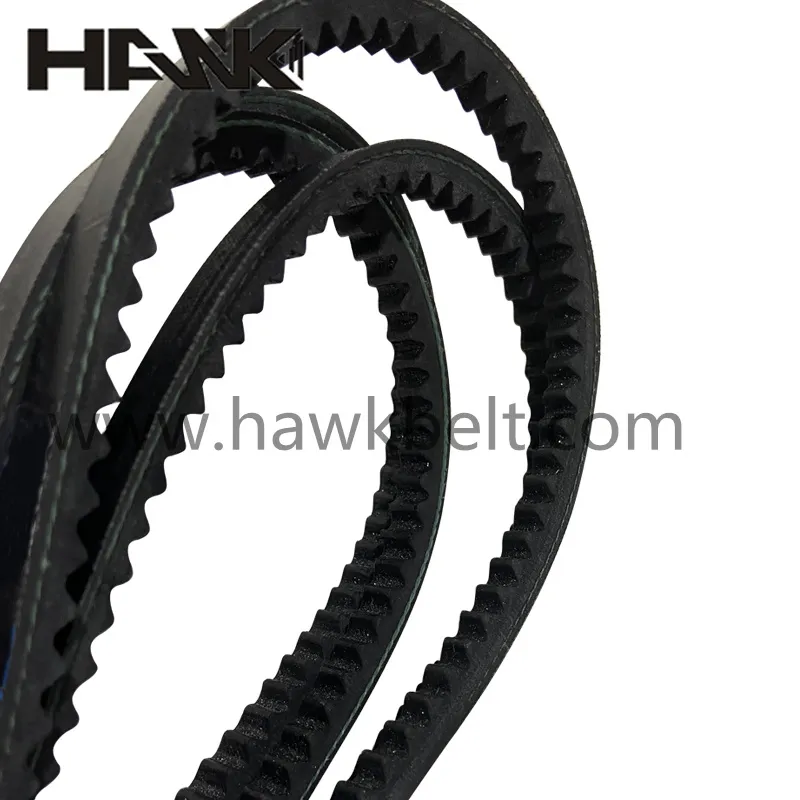
The prevalence of heavy-duty pickup trucks and SUVs across Canada has increased the demand for reinforced auto v belt designs. These vehicles often operate in rugged terrains, necessitating belts with higher tensile strength and superior resistance to road salt and chemical corrosion.

Furthermore, the growing urban mobility trend in cities like Toronto and Vancouver has spiked the demand for high-quality motorcycle belt options. Local distributors are shifting toward EPDM-based materials to ensure longer service intervals and reduced maintenance costs for Canadian consumers.

Evolution of Rubber Part Manufacturing

From traditional vulcanization to advanced polymer science.

Market Development History

Prior to the 1990s, most automotive belts relied on standard neoprene, which often suffered from premature wear in Canada's saline winter environments. The focus was purely on basic friction and tension.

Between 2000 and 2015, the industry transitioned to EPDM (Ethylene Propylene Diene Monomer). This shift allowed the auto rubber timing belt to offer significantly better heat resistance and ozone stability, extending the lifespan of engine synchronization.

From 2016 to the present, the integration of high-tensile polyester cords and precision grinding techniques has enabled the production of ultra-quiet and high-efficiency belts that meet strict North American emissions and noise standards.

Future Development Trends

Nano-Composite Reinforcement

Integration of graphene or carbon nanotubes into the rubber matrix to increase wear resistance by 30% without sacrificing flexibility.

Smart-Belt Monitoring

The development of belts with embedded conductive fibers to provide real-time wear data to the vehicle's ECU, reducing sudden failures.

Eco-Friendly Bio-Polymers

A shift toward sustainable, bio-based rubber sources to align with Canada's 2050 net-zero emissions targets.

Industry Trends & Future Outlook

Strategic shifts in the rubber parts manufacturing sector for 2024-2028.

Climate-Adaptive Polymers
Developing rubber compounds that maintain a constant modulus of elasticity from -50°C to 150°C.
Precision Rib Profiling
Utilizing laser-cutting for PK profiles to eliminate slip and reduce noise in high-efficiency engines.
Hybrid Electric Integration
Designing specialized belts for hybrid systems that experience frequent start-stop torque spikes.
Just-In-Time Localized Sourcing
Implementing regional hubs to reduce logistics lead times across the Canadian provinces.

Industry Outlook

Google search trends indicate a rising interest in "extreme weather automotive maintenance" within Canada. This suggests that the market is moving away from generic parts toward specialized, climate-certified rubber components.

The convergence of automotive engineering and material science will likely lead to "zero-maintenance" belts. We expect the next 3-5 years to focus on materials that eliminate the need for tensioner adjustments, further enhancing vehicle reliability.

Localized Application Scenarios in Canada

Real-world deployment of high-durability rubber belts across diverse Canadian environments.

01. Arctic-Grade Fleet Maintenance

Implementation of specialized cold-resistant belts for logistics fleets operating in Nunavut and the Northwest Territories, ensuring zero-brittle failures at -50°C.

02. Rocky Mountain Heavy-Duty Towing

Utilization of reinforced V-belts for transport trucks navigating the steep inclines of the Rockies, where high torque and heat buildup are constant.

03. Ontario Urban Commuter Cycles

Deploying high-mileage timing belts for passenger cars in the GTA, focused on reducing noise and vibration for a smoother urban driving experience.

04. Quebec Agriculture Equipment

Custom rubber belts for farming machinery that must resist exposure to fertilizers, pesticides, and extreme seasonal moisture.

05. BC Coastal Motorcycle Touring

Supplying premium belts for touring motorcycles in British Columbia, designed to handle high humidity and salt-air corrosion along the Pacific coast.

Brand Story

Global Development Journey of Xingtai Hawk Rubber & Plastic Products Co., Ltd.

Foundational Excellence

Established with a commitment to solving the core problem of rubber degradation in industrial drive systems through rigorous polymer research.

Technical Diversification

Expanded our manufacturing capabilities to include high-precision timing and V-belts, meeting international ISO and SAE standards.

North American Expansion

Strategically entered the Canadian market by developing climate-specific rubber compounds for extreme temperature resilience.

Innovation Leadership

Invested in automated precision grinding and laser-cutting technology to lead the industry in belt noise reduction.

Sustainable Future

Currently pioneering the use of eco-friendly elastomers to provide the global automotive industry with a greener, more durable alternative.

Canadian Market FAQ

Answers to common technical queries regarding rubber belt performance in North America.

How does the Canadian winter affect the lifespan of an alternator belt?

Extreme cold causes standard rubber to harden and lose elasticity, leading to cracks and slipping. Our belts use EPDM compounds that remain flexible at sub-zero temperatures to prevent failure.

What is the main difference between a standard belt and a pk belt for heavy-duty vehicles?

PK belts feature multiple small ribs (poly-v) that provide a much larger surface area for grip, making them ideal for the high-load demands of Canadian trucks and SUVs.

When should I replace my auto rubber timing belt in a cold climate?

In Canada, it is recommended to inspect timing belts every 60,000 km, as temperature swings can accelerate the aging of the rubber cords more quickly than in temperate climates.

Are motorcycle belt options resistant to road salt corrosion?

Yes, our belts are formulated with chemical-resistant polymers that prevent the degradation typically caused by the salt and brine used on Canadian highways.

Why is the auto v belt still used in some industrial machinery in Canada?

The V-belt design provides exceptional wedge-grip for high-torque, low-speed applications, which is essential for agricultural and mining equipment in the Canadian prairies.

Can I use a generic belt for my vehicle in Canada?

Generic belts often lack the specific temperature ratings required for North American extremes. Using climate-certified belts ensures safety and prevents costly engine damage.

Get Expert Rubber Component Consultation

Partner with a global leader in rubber manufacturing to optimize your automotive supply chain in Canada.

Contact Us Now

If you are interested in our products, you can choose to leave your information here, and we will be in touch with you shortly.