Mobile Phone
+8615369985502
Call Us
+8615369985502
E-mail
mike@hawkbelt.com

High-Performance auto rubber timing belt Solutions for Bolivia

Engineered for durability in extreme altitudes and varying climates, providing unmatched reliability for the Bolivian automotive market.

High-Performance auto rubber timing belt Solutions for Bolivia

We provide professional-grade rubber components tailored to meet the rigorous demands of Bolivia's diverse terrain, from the Andean highlands to the tropical lowlands.

The Rubber Parts Landscape in Bolivia

Analyzing the operational challenges of automotive belt systems in the Bolivian environment.

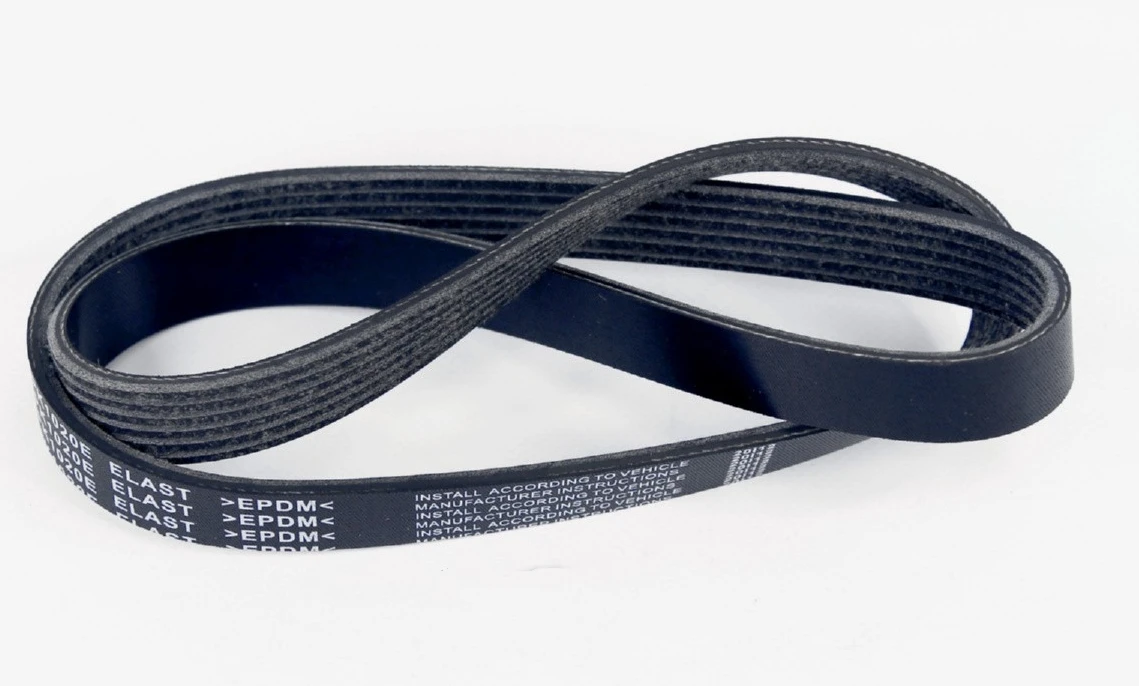
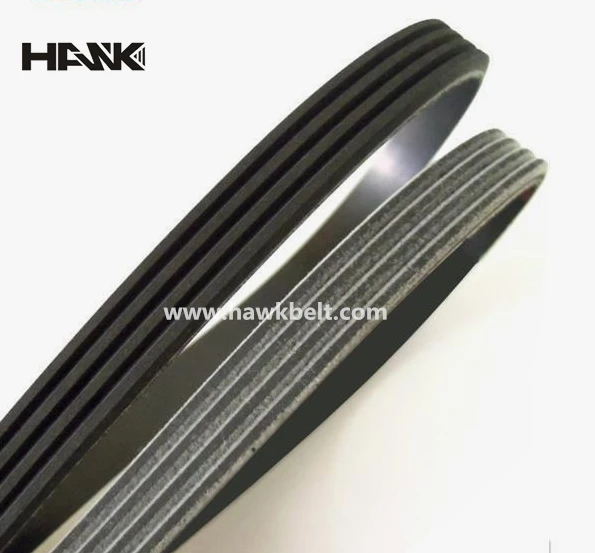
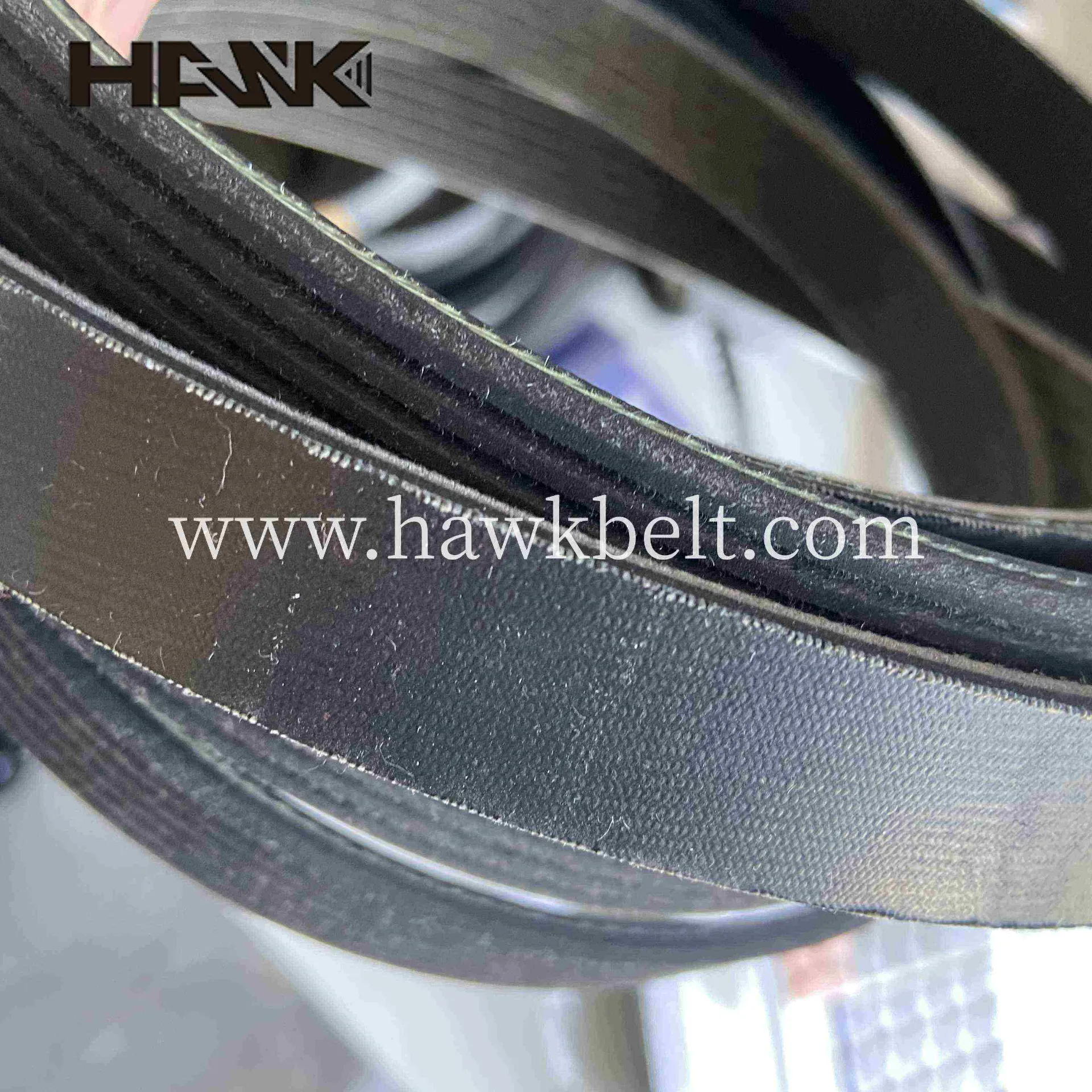
Bolivia's unique geography, characterized by extreme altitude changes in the Altiplano and high humidity in the Amazonian basin, puts immense stress on automotive rubber components. The constant pressure fluctuations and UV exposure accelerate the degradation of a standard pk belt, leading to premature cracking and slippage.

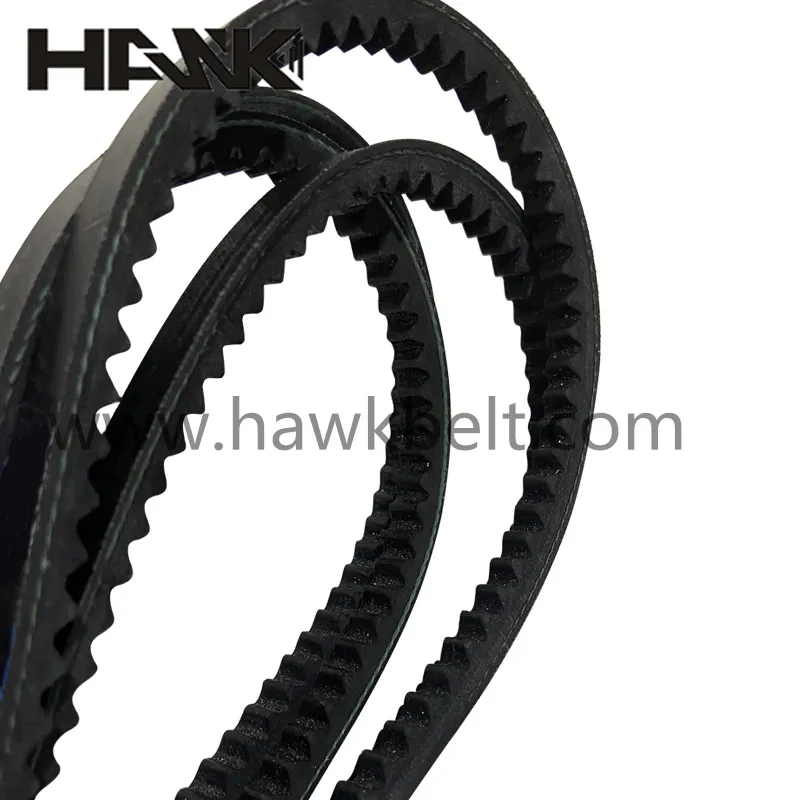
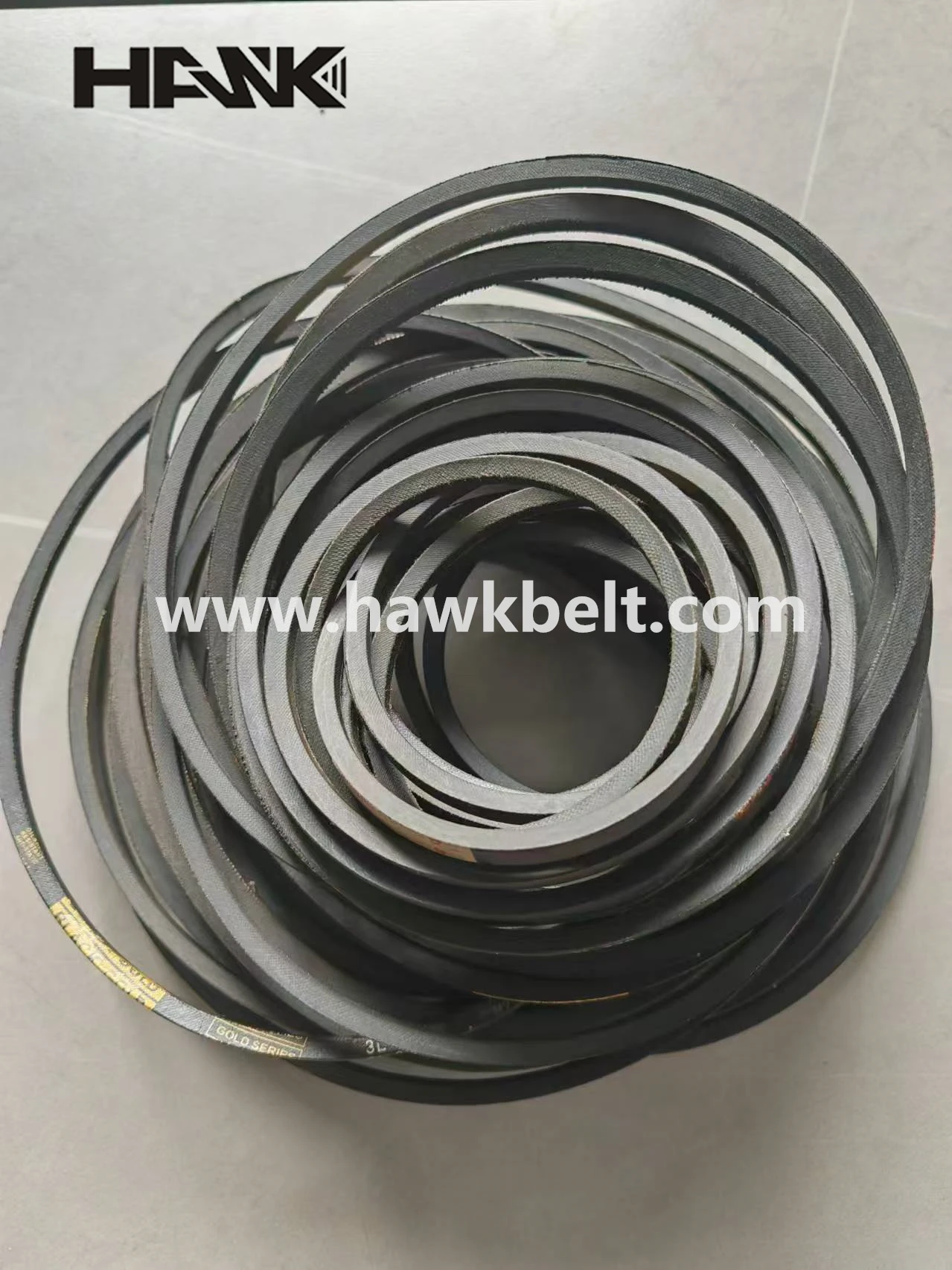
Economically, the market is heavily reliant on durable imports that can withstand long-distance transport and harsh road conditions. There is a growing demand for reinforced auto v belt systems that can handle the heavy loads typical of the region's transport and mining fleets.

Furthermore, the rise of urban mobility in cities like La Paz and Santa Cruz has surged the requirement for high-cycle motorcycle belt parts that maintain tension despite frequent stop-and-go traffic and steep inclines.
Evolution and Trajectory of Rubber Components

From basic rubber compounds to advanced synthetic polymers.

Market Development History

In the early 2000s, the Bolivian market primarily utilized basic natural rubber belts which suffered from rapid oxidation and thermal instability. These early iterations lacked the tensile strength required for the region's heavy-duty diesel engines.

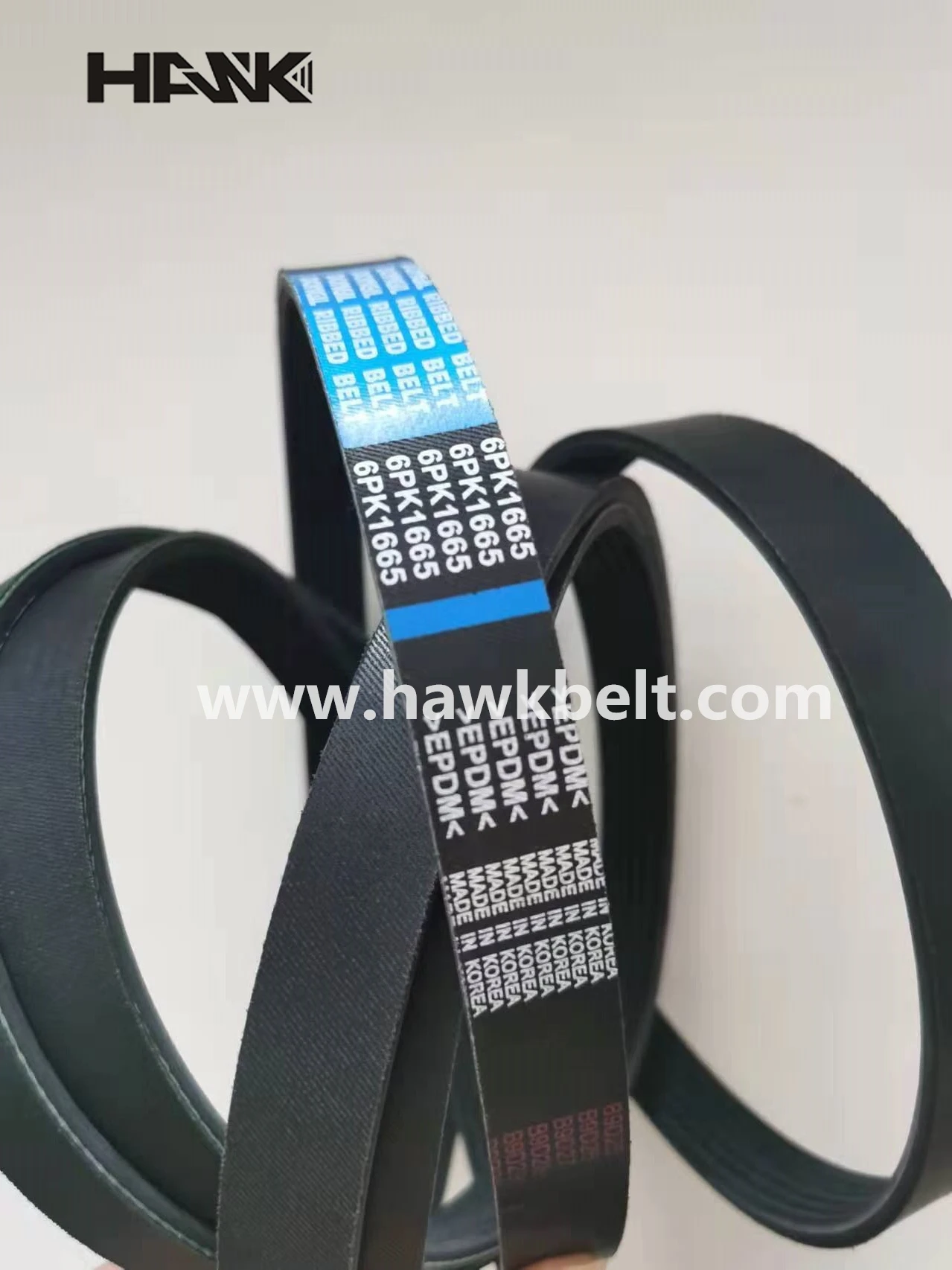
By 2010-2015, the transition toward EPDM (Ethylene Propylene Diene Monomer) became evident. The introduction of the specialized alternator belt with heat-resistant properties significantly reduced vehicle downtime in mountainous regions.

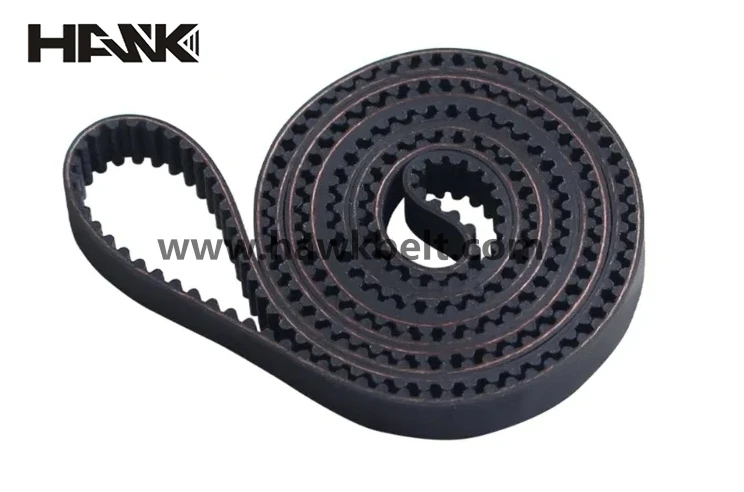
Currently, the market has evolved toward precision-engineered components. The integration of high-strength aramid fibers in the auto rubber timing belt has shifted the industry focus from simple replacement to preventative long-life engineering.

Future Development Trends

Eco-Friendly Synthetic Elastomers

Upcoming regulations in South America are pushing for biodegradable or highly recyclable rubber compounds that reduce the environmental footprint without sacrificing torque transmission.

Smart Wear-Sensing Technology

Integration of embedded sensors within the belt structure to notify drivers of imminent failure, reducing catastrophic engine damage in remote Bolivian areas.

Custom-Molded Precision Fit

A shift toward OEM-equivalent precision for aftermarket parts to ensure 100% compatibility with the diverse aging vehicle fleet in Bolivia.

Industry Trends and Future Outlook

Strategic forecasts for rubber part manufacturing in the Andean region.

Extreme Climate Resilience
Developing polymers that maintain elasticity from -10°C in the highlands to 40°C in the tropics.
Material Weight Reduction
Implementing lightweight composites to improve fuel efficiency for heavy transport vehicles in Bolivia.
Hybrid Vehicle Adaptation
Designing specialized belts for the emerging hybrid fleet in urban centers like La Paz.
Supply Chain Digitalization
Using AI-driven demand forecasting to ensure critical parts are always available across Bolivian provinces.

Industry Outlook

Google search trends indicate a significant rise in "high-durability automotive parts" and "long-life belts" within Bolivia, reflecting a shift toward value-based purchasing rather than cheapest-cost replacements.

Over the next 3-5 years, the rubber parts industry in Bolivia will likely move toward high-precision synthetic blends that can withstand the extreme oxygen-thin environments of the Andes, reducing failure rates by an estimated 30%.

Localized Application Scenarios in Bolivia

Practical implementations of our rubber solutions across different Bolivian sectors.

01. High-Altitude Logistics in La Paz

Vehicles transporting goods to high-altitude regions require a reinforced alternator belt to ensure consistent electrical power despite lower air density and increased engine strain.

02. Mining Equipment in Potosí

Heavy-duty industrial machinery in the Potosí mining sector utilizes our heavy-duty auto v belt to maintain high torque transmission under abrasive dust conditions.

03. Urban Delivery in Santa Cruz

The rapid growth of delivery services has increased the wear on motorcycle engines; our specialized motorcycle belt ensures low friction and high durability for daily urban use.

04. Agricultural Machinery in the Lowlands

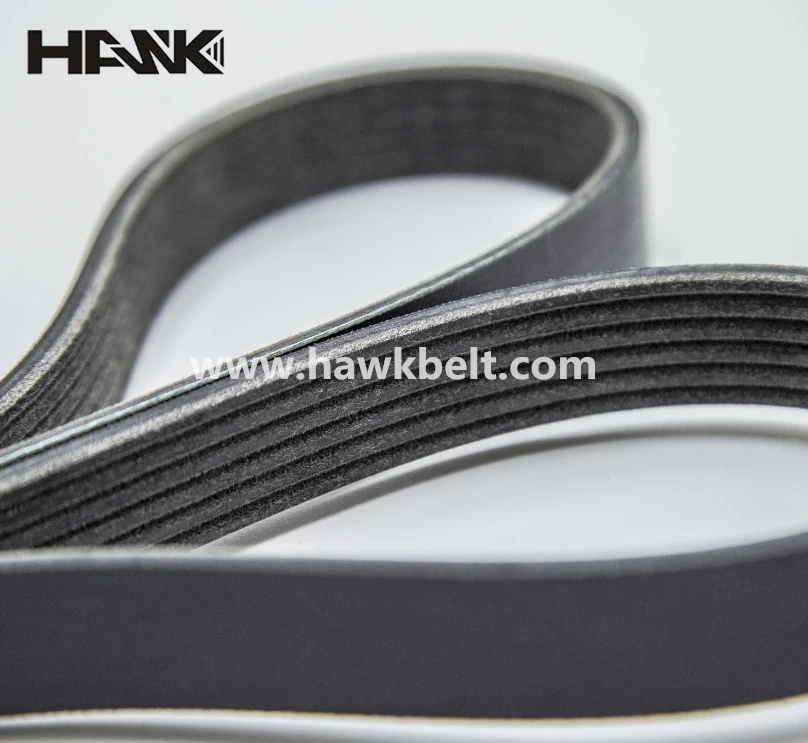
Tractors and harvesters in the Bolivian plains rely on precision pk belt systems to drive hydraulic pumps and cooling fans in high-humidity environments.

05. Long-Haul Trucking on the Interoceanic Highway

Heavy trucks crossing diverse climatic zones require a high-stability auto rubber timing belt to prevent engine synchronization failure during long-haul journeys.

Brand Story

Global Development Journey of Xingtai Hawk Rubber and Plastic Products Co., Ltd.

Foundational Excellence

Established with a mission to solve the core problem of rubber degradation in industrial environments through advanced material science.

Technological Breakthrough

Developed proprietary EPDM blending techniques that significantly extended the lifespan of timing belts in extreme temperatures.

Global Expansion

Expanded our footprint into South American markets, specifically tailoring products for the unique topographic needs of Bolivia.

Quality Standardization

Achieved international certifications for precision rubber molding, ensuring every belt meets stringent global safety standards.

Future Vision

Committed to leading the transition toward sustainable, high-performance elastomeric solutions for the global automotive industry.

Frequently Asked Questions in Bolivia

Expert answers to common technical queries regarding rubber belt maintenance.

How does high altitude in Bolivia affect my alternator belt lifespan?

High altitudes often result in higher engine operating temperatures and increased UV exposure, which can dry out standard rubber. Using a high-grade EPDM alternator belt prevents premature cracking and ensures reliable charging.

What is the best auto rubber timing belt for extreme temperature swings?

For regions with drastic temperature shifts, an auto rubber timing belt reinforced with aramid fibers is ideal, as it maintains dimensional stability and prevents skipping.

How often should I replace my auto v belt in mining environments?

In abrasive environments like Potosí, we recommend inspecting your auto v belt every 6 months. Dust accumulation can act as an abrasive, wearing down the ribs faster than in urban settings.

Why is my motorcycle belt slipping in urban traffic?

Frequent stop-and-go traffic creates heat build-up. A high-friction motorcycle belt designed for high torque is necessary to prevent slippage during acceleration.

What are the advantages of a PK belt over traditional V-belts?

A pk belt (poly-v belt) offers a larger surface area for power transmission, providing better efficiency and less slippage in high-load applications.

Can I use the same rubber belt for different climatic zones in Bolivia?

While generic belts work, we recommend belts with a broad thermal operating range to ensure the rubber doesn't become too brittle in the cold Altiplano or too soft in the tropical lowlands.

Get Expert Rubber Solutions Today

Looking for reliable rubber parts for your fleet or business in Bolivia? Our technical team is ready to provide customized specifications for the Bolivian market.

Contact Us Now

If you are interested in our products, you can choose to leave your information here, and we will be in touch with you shortly.