

Sep . 30, 2025 12:20 Back to list
Flat Belt V Belt: Low Noise, High Efficiency - Which Fits?
Choosing the right belt: a field report on flat belt v belt decisions
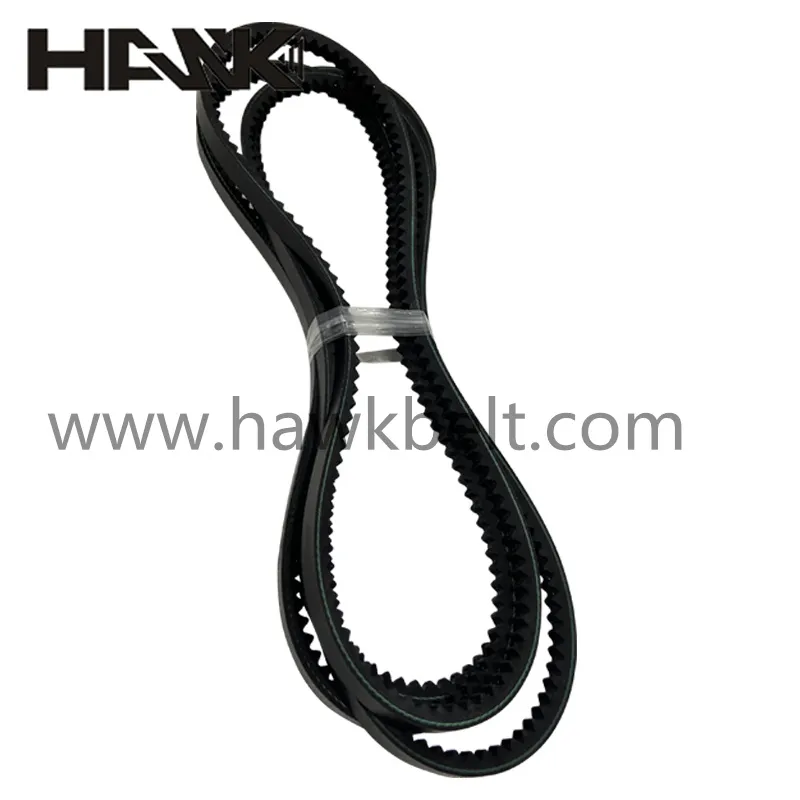
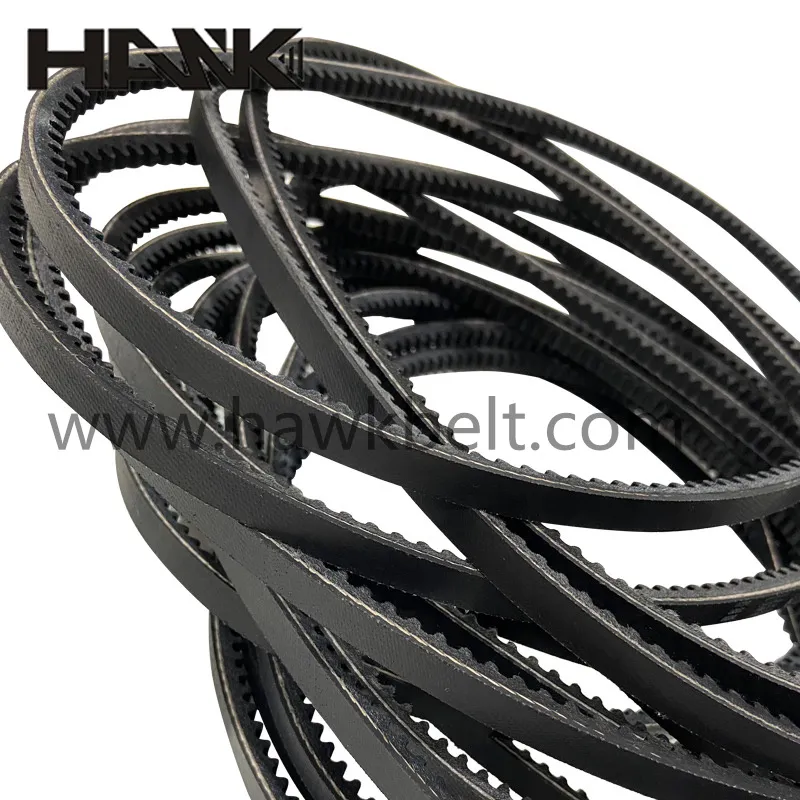
If you’ve ever opened an engine bay at dusk with a flashlight in your mouth (guilty), you know belts decide whether the day ends with a hum or a tow truck. Lately, I’ve been tracking a quiet shift toward toothed, heat-resistant V belts for mixed fleets and HVAC installers. The FMX AX BX CX SK Teeth Rubber V Belt line out of Hebei, China has been popping up in my inbox—OE cross 90916-02524 for Toyota, EPDM/CR/NR blends, and a no-nonsense spec sheet.
What’s trending now
Two things: heat and stability. Under-hood temps keep rising, and belts are expected to run quieter, longer. Toothed V profiles (AX/BX/CX/SK) give better grip and bend around smaller pulleys without cooking themselves. Many customers say they’re switching from legacy smooth V to toothed EPDM because the downtime math just works. Also, in export markets, flat belt v belt combinations are paired on hybrid lines—flat for conveyors, V for drives—so single-source vendors are winning.
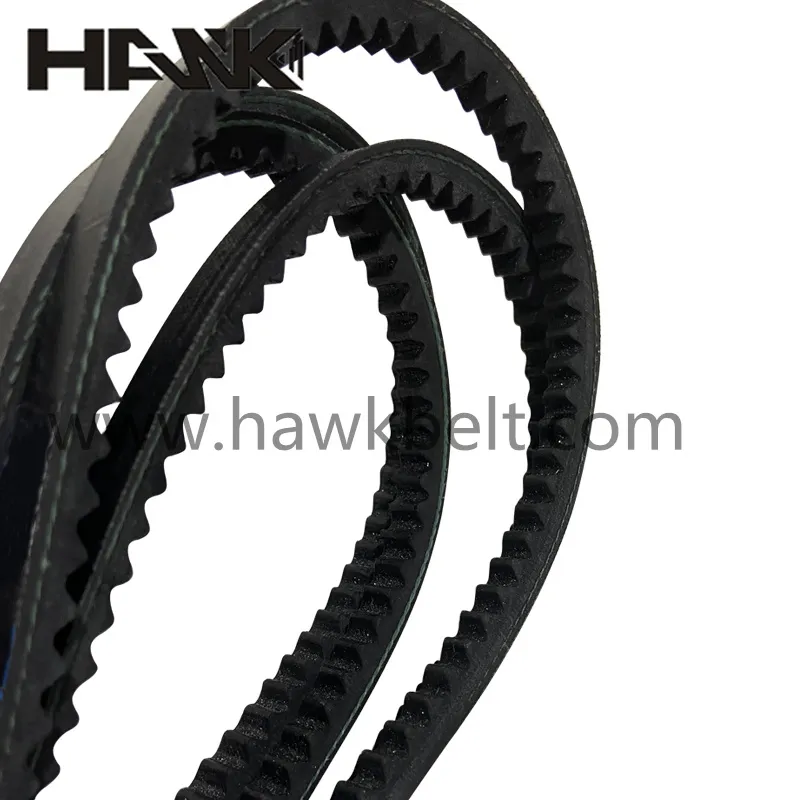
Product snapshot: FMX AX BX CX SK Teeth Rubber V Belt
| Origin | No. 386 Xuyang Avenue, Renze District, Xingtai City, Hebei Province, China |
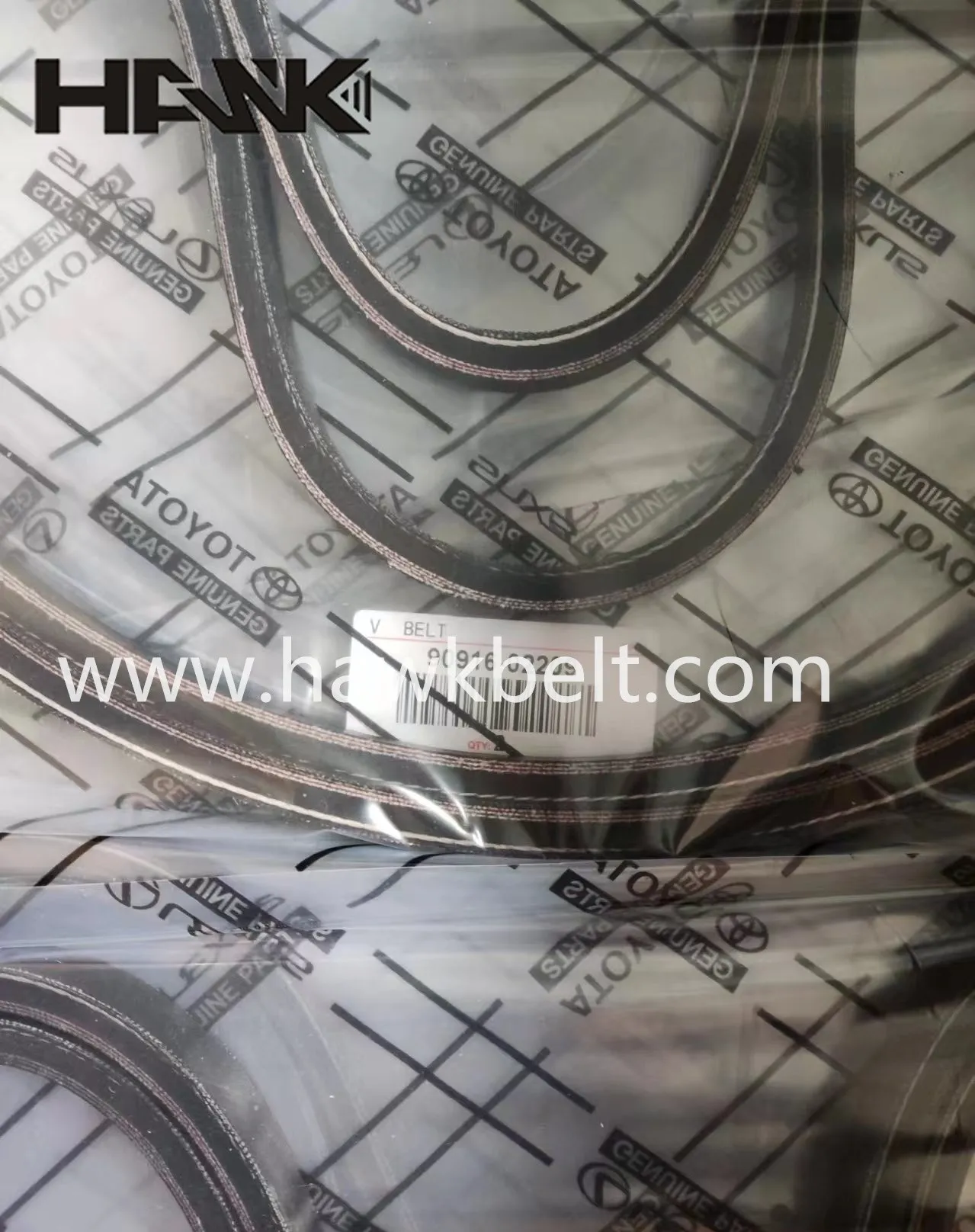
| OE Ref. | 90916-02524 (Toyota) |
| Materials | EPDM / CR / NR compound; polyester or optional aramid cord |
| Dimensions | Length 1050 mm; Width 13 mm; Weight ≈ 0.12 kg |
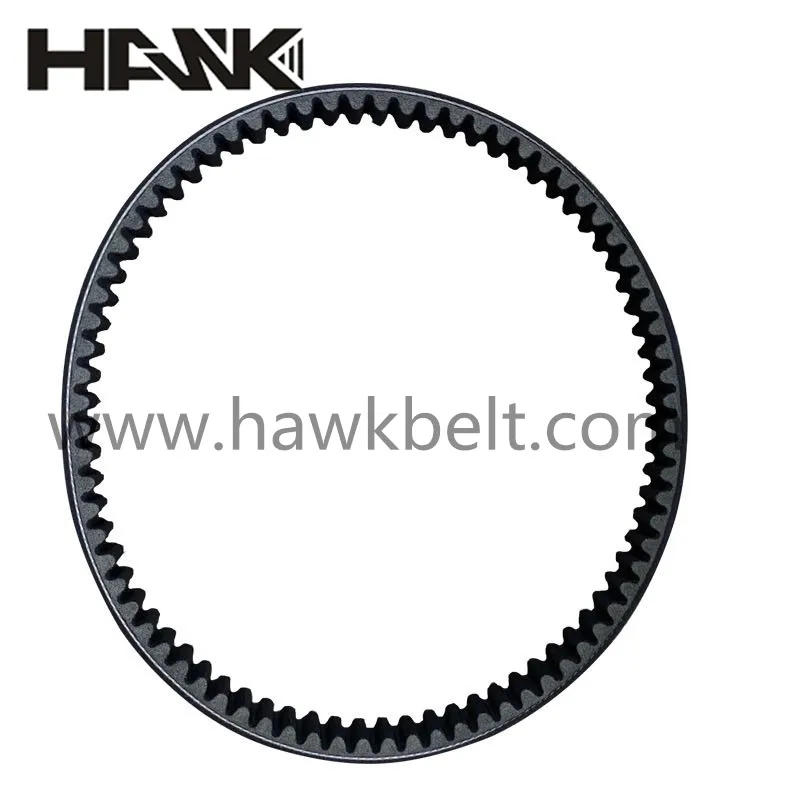
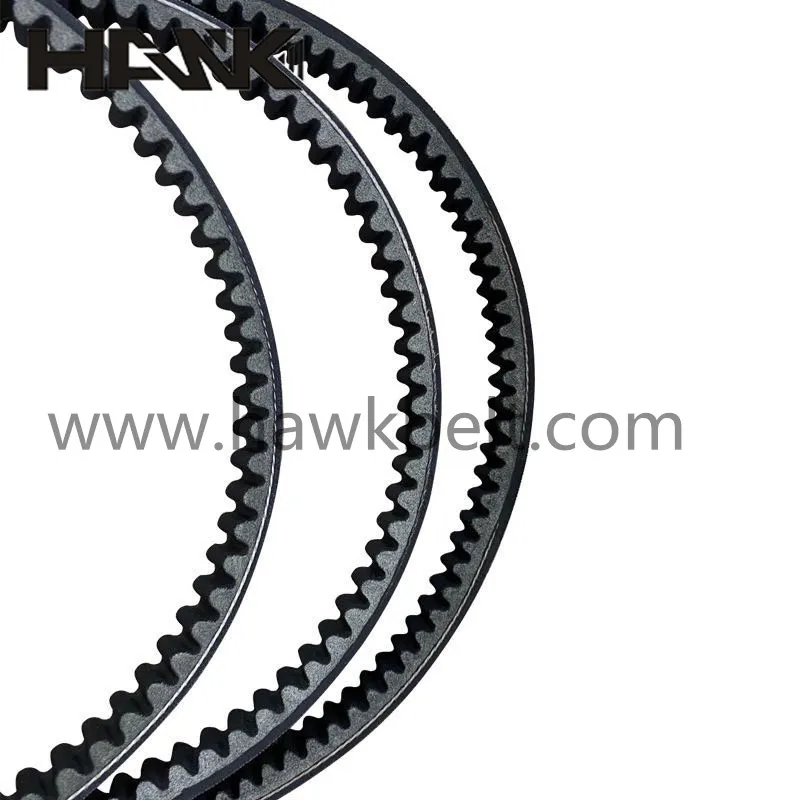
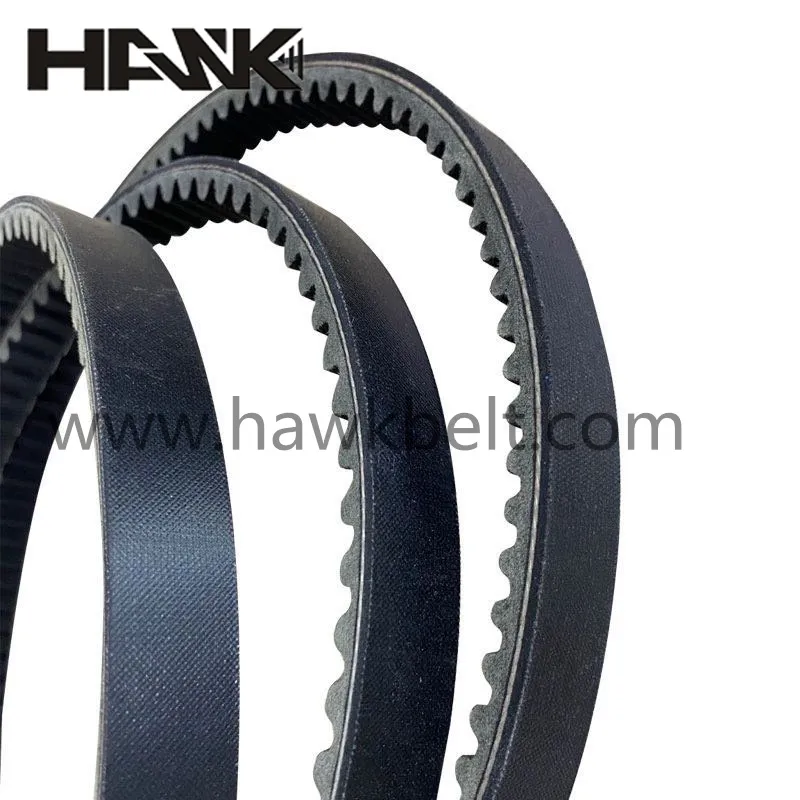
| Profiles | AX, BX, CX, SK toothed |
| Temp Range | -35°C to +120°C (real-world use may vary) |
| Typical Tests | Tensile > 9 MPa; Hardness 72±3 Shore A; Flex life > 1×10^6 cycles |
| Antistatic | Per ISO 1813 target |
How it’s made (quick process flow)
- Compound mixing: EPDM/CR/NR plus heat/ozone inhibitors; ASTM D2000 classification targets.
- Calendaring: rubber sheets and fabric skim with controlled gauge.
- Cord winding: polyester or aramid cords for low stretch and high tensile.
- Molding & vulcanization: toothed profile, pressure-cure for adhesion.
- Finishing: trimming, length matching, surface grind for consistent run-in.
- QC & testing: ISO 4184 length tolerance; ASTM D412 tensile; ISO 1813 antistatic; endurance bench.
Service life? In mixed fleets we see ≈ 50,000–90,000 km, sometimes more with clean pulleys and proper tension. To be honest, misaligned sheaves will chew any belt—no miracles there.
Where it’s used
- Automotive auxiliaries (Toyota applications, alternator/compressor drives)
- HVAC blowers and rooftop units
- Agricultural machinery and compact compressors
- Light industrial drives and conveyor head drives pairing flat belt v belt systems
Vendor snapshot (comparison at a glance)
| Vendor | Lead Time | Certifications | Customization | Test Reports |
|---|---|---|---|---|
| FMX (Hebei) | ≈ 15–25 days | Claims ISO 9001 / IATF 16949 (verify docs) | Profiles, cords, private label | ASTM/ISO data available |
| Supplier A | 30–45 days | ISO 9001 | Limited sizes | Basic COA |
| Supplier B | ≈ 20–35 days | ISO 9001 + RoHS | Color and branding only | On request |
Pricing aside, what swung some buyers was matched-set packaging and stable length tolerance for paired flat belt v belt drives.
Customization and real-world feedback
- Custom lengths/widths, cord upgrades (aramid for shock loads), antistatic tuning.
- Private labeling and QR-coded traceability.
- HVAC OEM in Dubai cut belt changes by ~30% after moving to EPDM toothed BX—a small change, big uptime.
- Rice mill in Vietnam saw cooler pulley temps (≈ 6–8°C lower) on CX toothed vs smooth V.
- Auto parts distributor reported fewer squeal returns in rainy season—likely the tooth profile helping water shedding.
Bottom line
If you’re weighing flat belt v belt options, the FMX toothed V profiles offer a pragmatic sweet spot: heat resistance, compact pulleys, and friendly pricing. Just don’t skip the basics—pulley alignment, tensioning, and periodic checks. That, more than any brochure promise, decides who makes it through summer peak loads.
Authoritative standards and references
- ISO 4184: Belt drives — Classical and narrow V-belts — Lengths and sections.
- ISO 1813: Conveyor and power transmission belts — Electrical and antistatic properties.
- ASTM D412: Standard Test Methods for Vulcanized Rubber and Thermoplastic Elastomers — Tension.
- ASTM D2000: Standard Classification System for Rubber Products in Automotive Applications.
- DIN 7753: V-belts and corresponding pulley profiles (reference for geometry).
-
Comprehensive Guide to Selecting High Performance drive belts
NewsApr.16,2026
-
Guide to Choosing the Right Fan Belt for Car Performance
NewsApr.09,2026
-
Understanding and Maintaining Your Vehicle's Serpentine Belt for Optimal Performance
NewsApr.07,2026
-
Choosing the Right Steering Belt for Optimal Vehicle Performance and Safety
NewsApr.04,2026
-
Understanding the Serpentine Belt for Optimal Vehicle Performance
NewsMar.31,2026
-
Comprehensive Guide to Understanding Your Fan Belt Car and Maintenance
NewsMar.28,2026