
სექ . 04, 2025 15:02 სიაში დაბრუნება
Motorcycle Drive Belts Temperature Resistance Range
In the realm of motorcycle mechanics, the motorcycle drive belts (including მოტოციკლეტის ქამარი and მოტოციკლეტის ქამარი) play a pivotal role in power transmission. Their ability to withstand varying temperatures is crucial for performance and longevity. Xingtai Hake rubber and plastic products Co., LTD specializes in manufacturing high - quality motorcycle drive belts, such as the 2084230 EPDM Motorcycle Belt Drive and Corrosion Resistance Motorcycle Belt Drive for GY6 150cc. This article, from a wholesaler’s perspective, delves into the temperature resistance range of motorcycle drive belts, exploring their features, maintenance, and how temperature affects their performance.
Understanding Motorcycle Drive Belts by Xingtai Hake
Xingtai Hake rubber and plastic products Co., LTD is a leading manufacturer of motorcycle drive belts, offering solutions designed for durability and performance. A motorcycle drive belt is a critical transmission device, responsible for transferring engine power to the wheel. The company’s products, such as the EPDM - based belts, are engineered to withstand the rigors of motorcycle operation, including temperature fluctuations.
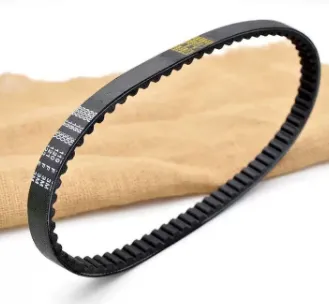
Key to their functionality is material selection. EPDM (Ethylene Propylene Diene Monomer) rubber, used in many of their belts, offers excellent temperature resistance, making it suitable for various motorcycle models, including the GY6 150cc. This material choice ensures that motorcycle drive belts can operate effectively within specific temperature ranges, minimizing the risk of damage or performance degradation.
Temperature Resistance Range of Motorcycle Drive Belts
EPDM Belt Temperature Tolerance
EPDM - based motorcycle drive belts, like the 2084230 EPDM Motorcycle Belt Drive, typically exhibit a temperature resistance range of -50°C to 150°C (-58°F to 302°F). This wide range allows them to function in diverse climatic conditions, from cold winters to hot summers. The material’s molecular structure provides stability at both low and high temperatures, preventing brittleness in cold weather and degradation in heat.
Xingtai Hake’s EPDM belts undergo rigorous testing to ensure they meet these temperature standards. This makes them ideal for motorcycles operating in regions with extreme temperatures, as the belts maintain their flexibility and strength, ensuring consistent power transmission.
Impact of Temperature Extremes
- High Temperatures: Prolonged exposure to temperatures above 150°C can cause EPDM belts to harden, crack, or lose elasticity. This may lead to reduced efficiency, increased wear, or even belt failure. In motorcycle engines, where heat is generated during operation, proper ventilation and cooling are essential to keep belt temperatures within the safe range.
- Low Temperatures: At temperatures below -50°C, EPDM belts may become less flexible, potentially affecting their ability to maintain proper tension. While EPDM is more resilient in cold than many other rubber types, extreme cold can still impact belt performance, necessitating precautions in freezing conditions.
Checking Related Components for Temperature - Induced Noise
Abnormal noise in motorcycle drive belts can sometimes be traced to temperature - affected components:
- Misaligned Pulleys: Heat expansion or cold contraction can cause pulley misalignment, leading to belt squealing. Inspect pulleys for straightness and adjust if necessary.
- Worn Tensioners: Tensioner springs may lose elasticity in extreme temperatures, causing inconsistent tension. Replace worn tensioners to maintain proper belt tension.
- Contaminated Pulleys: Dust or oil on pulleys can increase friction and noise. Clean pulleys regularly to prevent heat buildup and noise.
Addressing these components helps maintain optimal belt operation and temperature management, reducing the risk of noise and performance issues.
Table: Motorcycle Drive Belts Temperature Resistance and Maintenance
|
Aspect |
Details |
Recommendations |
|
Temperature Range |
EPDM belts: -50°C to 150°C |
Avoid prolonged exposure to extremes; use proper cooling/insulation |
|
High - Temp Risks |
Hardening, cracking, elasticity loss |
Ensure engine ventilation; replace belts showing heat damage |
|
Low - Temp Risks |
Reduced flexibility, tension changes |
Check tension in cold weather; use EPDM for cold resilience |
|
Maintenance Steps |
Clean/lubricate, adjust tension, replace worn belts |
Follow manufacturer guidelines; use Xingtai Hake’s quality belts |
Motorcycle Drive Belts FAQS
What is the typical temperature resistance range of motorcycle drive belts?
Motorcycle drive belts, especially those made of EPDM rubber like Xingtai Hake’s 2084230 EPDM Motorcycle Belt Drive, typically resist temperatures from -50°C to 150°C (-58°F to 302°F). This range allows them to function in diverse climates, but prolonged exposure to extremes can degrade performance. Choosing quality belts and maintaining proper operating temperatures are key to longevity.
How does high temperature affect motorcycle belt performance?
High temperatures above 150°C can cause motorcycle belts to harden, crack, or lose elasticity, leading to reduced power transmission, increased wear, and potential failure. In motorcycle engines, proper cooling and ventilation are essential to keep belt temperatures within the safe range. Xingtai Hake’s EPDM belts are designed to withstand heat, but regular inspection for heat damage is still crucial.
Can motorbike belts operate in freezing temperatures?
Yes, motorbike belts made of EPDM rubber, such as those from Xingtai Hake, can operate at temperatures as low as -50°C. EPDM remains more flexible in cold than many other rubbers, but extreme cold can still affect tension. Checking and adjusting belt tension in freezing conditions helps maintain performance and prevent brittleness - related damage.
How do I maintain motorcycle drive belts in extreme temperatures?
To maintain motorcycle drive belts in extreme temperatures:
- Clean and lubricate regularly to reduce friction and heat buildup.
- Adjust tension to account for thermal expansion/contraction.
- Inspect for wear, especially in high - heat environments.
- Replace worn belts with high - quality options like Xingtai Hake’s Corrosion Resistance Motorcycle Belt Drive, which offers reliable temperature resistance.
Why is my მოტოციკლეტის ქამარი making noise in hot weather?
Noise in a მოტოციკლეტის ქამარი during hot weather may stem from loose tension (due to thermal expansion), misaligned pulleys, or contaminated surfaces. Heat can cause belts to expand and loosen, leading to slipping and squealing. Check tension, pulley alignment, and cleanliness, and replace the belt if worn. Using a quality belt from Xingtai Hake can minimize temperature - related noise issues.
The temperature resistance range of motorcycle drive belts is a critical factor in their performance and longevity. Xingtai Hake rubber and plastic products Co., LTD’s EPDM - based belts, such as the 2084230 EPDM Motorcycle Belt Drive and Corrosion Resistance Motorcycle Belt Drive for GY6 150cc, offer a robust temperature tolerance of -50°C to 150°C, making them suitable for diverse riding conditions.
By understanding how temperature affects motorcycle belts and implementing proper maintenance—including cleaning, tension adjustment, and timely replacement—wholesalers can ensure customers receive reliable, high - performance products. Xingtai Hake’s commitment to quality materials and engineering ensures their belts withstand temperature fluctuations, providing consistent power transmission and minimizing the risk of failure. As the motorcycle industry evolves, prioritizing temperature - resistant drive belts will remain essential for optimal rider experience and mechanical reliability.
-
Comprehensive Guide to Selecting High Performance drive belts
სიახლეებიApr.16,2026
-
Guide to Choosing the Right Fan Belt for Car Performance
სიახლეებიApr.09,2026
-
Understanding and Maintaining Your Vehicle's Serpentine Belt for Optimal Performance
სიახლეებიApr.07,2026
-
Choosing the Right Steering Belt for Optimal Vehicle Performance and Safety
სიახლეებიApr.04,2026
-
Understanding the Serpentine Belt for Optimal Vehicle Performance
სიახლეებიMar.31,2026
-
Comprehensive Guide to Understanding Your Fan Belt Car and Maintenance
სიახლეებიMar.28,2026